
Understanding your body weight is an important step toward maintaining a healthy lifestyle. However, weight alone does not always provide a clear picture of overall health. Two people can weigh the same amount but have different heights, body compositions, and health needs. This is why body mass index, commonly known as BMI, is widely used as a simple starting point for understanding the relationship between height and weight. It offers an accessible way to identify general weight categories without requiring complicated measurements or specialized equipment.
A bmi calculator makes this process convenient by allowing users to enter their height and weight to receive an estimated BMI value. The result can help people understand whether their weight falls within a commonly recognized category, such as underweight, healthy weight, overweight, or obesity. People often use this information when beginning a fitness routine, reviewing their lifestyle habits, or discussing weight-related concerns with a healthcare professional.
Although BMI is useful for general screening, it should not be treated as a complete measurement of personal health. It does not directly measure body fat, muscle mass, bone density, or fat distribution. Understanding how the calculation works, what its results mean, and where its limitations lie can help you make better-informed decisions about nutrition, physical activity, and long-term well-being.
What Is Body Mass Index?
Body mass index is a numerical measurement calculated using a person’s weight and height. It was developed as a straightforward method for examining weight patterns across populations and is now commonly used in healthcare settings as an initial screening tool. Rather than evaluating weight independently, BMI considers height to provide a standardized measurement that can be compared with established adult categories.
For example, a person weighing 70 kilograms may have a different BMI depending on whether their height is 1.60 meters or 1.80 meters. The same weight represents a different relationship between body size and height in these two cases. This makes BMI more informative than weight alone when discussing general weight status. Nevertheless, the number should always be interpreted alongside other relevant information, including age, physical activity, medical history, and body composition.
BMI is particularly useful because it is easy to calculate and does not require expensive equipment. It can help individuals recognize when further assessment might be appropriate. However, it cannot independently determine whether someone is healthy, physically fit, or at risk of a specific disease. It is best understood as one piece of a broader health assessment rather than a final judgment about the body.
How Does a BMI Calculator Work?
A bmi calculator uses two primary measurements: body weight and height. After these values are entered, the tool applies a mathematical formula to determine the BMI score. Most online calculators provide the result almost instantly, making the process simple for people who want to understand their current weight category without performing the calculation manually.
The formula used for adults is straightforward. Weight in kilograms is divided by height in meters squared. For example, if someone weighs 70 kilograms and is 1.75 meters tall, the calculation is 70 divided by 1.75 multiplied by 1.75. The resulting BMI is approximately 22.9, which falls within the standard healthy-weight category for adults.
People using pounds and inches can calculate BMI through an alternative formula. In that system, weight in pounds is multiplied by 703 and then divided by height in inches squared. A reliable calculator usually handles these conversions automatically, reducing the chance of mathematical errors. Users should still check that they have selected the correct measurement units before entering their information.
Example of a BMI Calculation
Consider an adult who weighs 80 kilograms and has a height of 1.70 meters. First, the height is multiplied by itself, producing 2.89. Next, the weight of 80 kilograms is divided by 2.89. The result is approximately 27.7, placing the individual within the standard adult overweight category.
This example illustrates how height and weight combine to produce a single numerical value. However, the calculation does not reveal whether the person’s weight comes primarily from muscle, fat, or other body tissues. Someone who regularly participates in strength training may have a higher BMI because of greater muscle mass, even when their body fat level is relatively low. That is one reason the number needs context.
Understanding Standard Adult BMI Categories
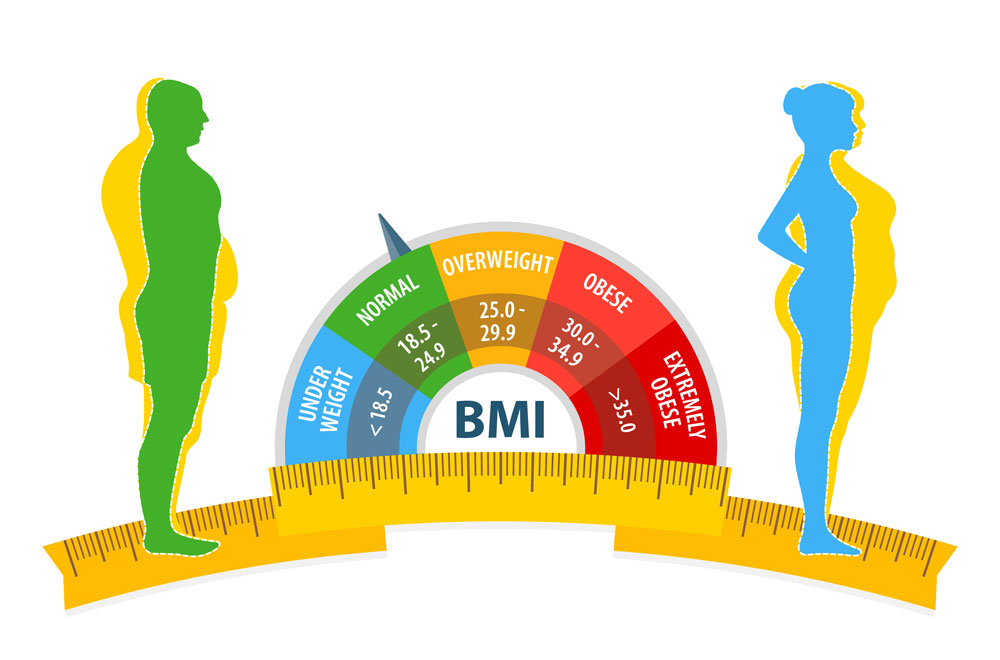
Adult BMI values are commonly divided into several categories to support initial health screening. These ranges help healthcare professionals identify weight patterns that may deserve further attention. However, they are general classifications, not precise boundaries between healthy and unhealthy individuals.
The following table presents the commonly used adult BMI categories.
| BMI range | Standard adult category |
|---|---|
| Below 18.5 | Underweight |
| 18.5 to 24.9 | Healthy weight |
| 25.0 to 29.9 | Overweight |
| 30.0 and above | Obesity |
These categories apply to most adults aged 20 and older. They are not intended to assess children and teenagers in the same way, because younger people are still growing and require age- and sex-specific BMI percentiles. Certain populations may also benefit from additional clinical assessment or alternative thresholds, depending on their background and individual risk factors.
A BMI within the healthy-weight range does not guarantee that a person has no health concerns. Similarly, a result outside that range does not automatically mean someone is unhealthy. Blood pressure, blood glucose, cholesterol levels, physical fitness, nutritional status, and other factors can provide a more complete picture of health. The categories are useful for identifying patterns, but they should not replace individualized medical guidance.
Why People Use BMI Calculators
Many people want a simple way to understand how their current weight relates to their height. A bmi calculator can provide an initial reference point without requiring a medical appointment or specialized equipment. This information may be useful when setting personal fitness goals, tracking changes over time, or preparing questions for a healthcare professional.
For someone beginning a fitness journey, the result can serve as a baseline measurement. If the individual plans to improve their activity levels or adjust their eating habits, they can record their starting measurements and review progress periodically. However, progress should not be judged exclusively by changes in BMI. Improvements in stamina, strength, sleep quality, energy levels, and everyday mobility can be equally meaningful.
Healthcare professionals may also use BMI as part of routine assessments to identify people who could benefit from additional screening. For example, a result indicating a higher weight category may prompt a discussion about blood pressure, blood sugar, family history, or other risk factors. The result itself does not establish a diagnosis, but it can help guide the next steps in a broader evaluation.
Important Factors That BMI Cannot Measure
Although BMI is convenient, it has several important limitations. The most significant is that it cannot distinguish between fat mass and lean body mass. Muscle is denser than fat, so a muscular individual may have a higher BMI without having an excessive amount of body fat. On the other hand, someone with a BMI within the standard healthy range may still have a relatively high body fat percentage or low muscle mass.
Body fat distribution is another factor that BMI does not measure. Fat stored around the abdomen can be associated with certain metabolic health risks, but BMI alone cannot show where fat is concentrated. Waist circumference and other clinical measurements may provide additional information when used appropriately. These measurements should be interpreted carefully rather than treated as independent proof of a health condition.
Age and life stage can also influence how BMI should be understood. Older adults may experience changes in muscle mass and bone density that are not reflected in the calculation. Pregnant individuals generally need a different approach to weight monitoring, while children and teenagers require age- and sex-specific interpretation. In each of these situations, a standard adult BMI value may provide incomplete or misleading information.
How to Use Your BMI Results Responsibly
A bmi calculator should be used as a starting point for understanding body weight, not as a tool for labeling yourself or determining your entire health status. Once you receive the result, consider whether it fits with your overall circumstances. Your age, physical activity, medical history, body composition, and recent changes in weight may all affect how the number should be interpreted.
If the result falls outside the standard healthy-weight range, avoid making sudden or extreme changes to your diet. A single measurement does not explain why your weight is where it is, and rapid weight loss or restrictive eating can create additional problems. Instead, focus on balanced meals, regular movement, adequate sleep, and sustainable habits. If you have concerns about unexpected weight changes or related symptoms, a healthcare professional can help determine whether further assessment is necessary.
For people who want to monitor progress, consistency is more useful than checking the result repeatedly throughout the day. Weight naturally fluctuates because of hydration, food intake, digestion, and other everyday factors. Reviewing measurements periodically under similar conditions can make trends easier to understand. It is also helpful to record non-weight improvements, such as increased walking endurance or greater strength, because these changes may reflect progress that BMI does not capture.
Healthy Lifestyle Habits That Support Overall Well-Being
Maintaining a healthy weight involves more than reaching a particular number on a scale. Everyday habits influence energy levels, physical fitness, metabolic health, and general quality of life. A balanced approach emphasizes consistent routines rather than short-term restrictions or unrealistic expectations. Individual needs vary, so the most appropriate changes depend on personal circumstances and health goals.
Nutrition is one important part of this process. Meals that include vegetables, fruits, whole grains, protein-rich foods, and appropriate sources of healthy fats can help provide essential nutrients. Portion sizes and energy needs vary from person to person, and there is no single eating pattern that works equally well for everyone. Limiting excessive consumption of highly processed foods and sugary drinks may also support healthier eating habits without requiring the complete avoidance of favorite foods.

Physical activity is equally important. Walking, cycling, swimming, dancing, and other enjoyable activities can help improve cardiovascular fitness. Strength-training exercises can support muscle maintenance and functional ability. Adults are generally encouraged to work toward at least 150 minutes of moderate-intensity aerobic activity each week, along with muscle-strengthening activities on two or more days, as their abilities and health circumstances allow. Beginners can start gradually and increase their activity over time.
Sleep and stress management also deserve attention. Insufficient sleep and persistent stress can affect appetite, energy, motivation, and daily routines. Establishing a consistent sleep schedule, taking breaks during demanding workdays, and making time for relaxing activities may help support overall well-being. These habits can be valuable regardless of whether someone wants to lose weight, gain weight, maintain their current weight, or simply improve their fitness.
Common Mistakes to Avoid When Checking BMI
Even though the calculation is simple, a few mistakes can lead to inaccurate results or unnecessary concern. Using the wrong height or weight units is one common problem. For example, entering a height in centimeters when the calculator expects meters can produce an incorrect result. Always confirm the measurement system and enter your height and weight carefully.
Another mistake is assuming that a BMI result provides a complete assessment of health. A single number cannot establish whether a person has a nutritional deficiency, a metabolic condition, or a particular level of cardiovascular fitness. It also cannot identify the cause of weight gain or weight loss. If the result seems inconsistent with your physical condition or recent experience, further assessment may be more useful than repeatedly recalculating the same measurements.
It is also important to avoid comparing your result directly with another person’s number without considering the differences between you. People have different heights, body compositions, ages, and health circumstances. A result that is appropriate for one individual may require a different interpretation for someone else. Using BMI as a personal reference point rather than a competition can encourage a more balanced and practical approach to health.
Who Should Seek Professional Guidance?
Although many adults can use BMI for general awareness, certain situations call for individualized advice. People experiencing unexplained weight loss, rapid weight gain, persistent fatigue, or other concerning symptoms should discuss those changes with a qualified healthcare professional. Individuals managing chronic conditions or taking medications that affect weight may also need a more comprehensive assessment.
Professional guidance is particularly important for children, teenagers, pregnant individuals, and older adults whose nutritional or health needs may differ from those of the general adult population. Athletes and people with substantial muscle mass may also need additional measurements to understand their body composition more accurately. A healthcare professional can consider these factors along with relevant examination findings and laboratory tests when appropriate.
For people concerned about weight management, a registered dietitian or qualified healthcare professional can help develop realistic goals that reflect individual needs. The objective should be to support health, strength, and sustainable daily habits rather than to pursue an arbitrary number. Personalized guidance is especially valuable when previous dieting attempts have caused physical discomfort, nutritional problems, or an unhealthy relationship with food.
Conclusion
A bmi calculator provides a convenient way to understand the relationship between height and weight. By applying a simple mathematical formula, it produces a result that can be compared with standard adult BMI categories. This information can help people establish a baseline, recognize potential concerns, and begin conversations about weight management and general health. However, BMI has clear limitations because it does not directly measure body fat, muscle mass, fat distribution, or overall physical condition. Its results are most useful when considered alongside other health indicators and personal circumstances. A number within the standard healthy range does not guarantee good health, and a result outside that range does not automatically indicate a medical problem.