
Understanding whether your body weight is appropriate for your height can be a useful starting point for making informed health decisions. A bmi calculator provides a quick way to estimate Body Mass Index by comparing a person’s weight with their height. Although BMI cannot describe every aspect of an individual’s health, it remains a commonly used screening measurement for adults.
BMI is particularly useful because it requires only two basic measurements: height and weight. Someone can enter these values into a bmi calculator and receive a number that can then be compared with standard BMI categories. This makes the calculation simple enough for everyday use while also providing a useful starting point for conversations about nutrition, physical activity, and general health.
However, a BMI result should not be treated as a complete diagnosis. Body composition, age, muscle mass, waist circumference, lifestyle, and existing health conditions can all influence how meaningful a particular BMI value is. The most useful approach is to consider BMI as one measurement within a broader picture of health.
What Is BMI and Why Is It Used?
Body Mass Index is a numerical measurement calculated using a person’s weight and height. In the metric system, BMI is calculated by dividing weight in kilograms by height in meters squared. For example, an adult weighing 70 kilograms and measuring 1.75 meters tall would have a BMI of approximately 22.9. A bmi calculator performs this calculation automatically, reducing the need for manual mathematics.
BMI became popular because it provides a standardized way to screen large groups of people for weight-related health risks. Rather than looking only at body weight, it considers height as well. A weight that may be high for a shorter person could be more appropriate for someone considerably taller. By combining the two measurements, BMI creates a common reference point.
The important word is “screening.” BMI can help identify whether someone’s weight falls within a commonly recognized range, but it does not directly measure body fat, fitness, nutrition quality, or overall wellness. Two people with exactly the same BMI can have very different body compositions and health profiles.
How Does a BMI Calculator Work?
A bmi calculator generally requires a person’s height and weight. Once those figures are entered, the tool applies the standard BMI formula and produces a numerical result. For adults, that number is commonly interpreted using established categories such as underweight, healthy weight, overweight, and obesity.
For metric measurements, the formula is:
BMI = Weight in kilograms ÷ (Height in meters × Height in meters)
For example, if a person weighs 80 kilograms and is 1.80 meters tall, the calculation is 80 ÷ (1.80 × 1.80), producing a BMI of about 24.7. The calculation itself is straightforward, but interpreting the result requires more context.
A bmi calculator can therefore be useful for a quick assessment, but accuracy depends on entering reliable measurements. Height should ideally be measured without shoes, while body weight should be measured using a reliable scale. Small differences in measurement may slightly change the final BMI, so users should avoid placing too much importance on tiny numerical changes.
Understanding Adult BMI Categories
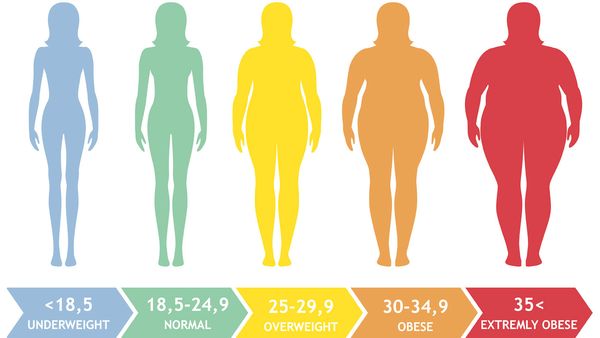
For most adults, BMI is commonly interpreted using the following broad categories:
| BMI Range | General Category |
|---|---|
| Below 18.5 | Underweight |
| 18.5–24.9 | Healthy weight |
| 25.0–29.9 | Overweight |
| 30.0 or higher | Obesity |
These categories are useful for general screening, but they should not be interpreted as strict definitions of individual health. A BMI close to a category boundary does not automatically mean that a person’s health has suddenly changed. Health professionals may consider several other measurements before making an assessment.
BMI categories can also vary in how they are applied to different populations. Some health organizations and researchers recognize that disease risks associated with BMI can differ between ethnic groups and populations. This is one reason why a numerical result should be considered alongside other relevant information rather than used as an isolated judgment.
What a BMI Result Can Tell You
One of the biggest advantages of using a bmi calculator is that it provides an immediate reference point. If a person’s BMI falls within the commonly recognized healthy-weight range, it may indicate that their weight is broadly proportionate to their height. If the number is substantially below or above that range, it may indicate that further attention to nutrition, activity, or professional assessment could be useful.
A BMI result can also help people track broad changes over time. For example, someone beginning a structured fitness or weight-management program may occasionally monitor their weight and BMI. However, progress should not be judged solely by whether the BMI number moves up or down. Improvements in strength, cardiovascular fitness, sleep, eating habits, and body composition can also be important indicators.
It is also worth remembering that BMI does not measure where fat is stored. Abdominal fat, for example, can be particularly relevant to metabolic health. Consequently, waist circumference and other clinical measurements may provide additional information that BMI alone cannot capture.
Limitations of BMI for Different Body Types
BMI has several important limitations. One of the most frequently discussed is its inability to distinguish between muscle and fat. Muscle is denser than fat, meaning that someone who has significant muscle mass may have a relatively high BMI despite having a comparatively low body-fat percentage. Athletes and people who regularly participate in resistance training can therefore receive results that require additional context.

Age is another consideration. Body composition naturally changes throughout life, and the relationship between BMI and health risks can differ among age groups. Older adults may experience changes in muscle mass and body-fat distribution that are not reflected accurately by a single BMI number.
Other factors, including pregnancy and certain medical circumstances, also require special consideration. Standard adult BMI categories are not designed to provide a complete assessment in every situation. Anyone concerned about an unusual result should consider discussing it with an appropriately qualified healthcare professional rather than making major health decisions based solely on an online calculation.
BMI for Children and Teenagers Is Different
Adults and children should not be assessed using exactly the same BMI interpretation. Children and teenagers are still growing, and their body composition changes with age and development. For this reason, BMI for younger people is generally interpreted according to age- and sex-specific growth charts or percentiles rather than simply applying adult categories.
Parents and caregivers should therefore avoid taking an adult bmi calculator result and applying adult thresholds to a child. A pediatric healthcare professional can interpret a child’s measurements in the context of growth patterns and developmental stage. A single measurement may be less informative than observing how height, weight, and BMI change over time.
This distinction is especially important because children grow at different rates. A temporary change in weight or BMI does not necessarily indicate a health problem. Professional interpretation can help prevent unnecessary concern while also identifying situations where additional support may be appropriate.
How BMI Fits Into a Healthy Lifestyle
A BMI number can be useful, but it should not become the sole target of a health plan. A sustainable lifestyle generally involves a combination of balanced nutrition, regular physical activity, adequate sleep, stress management, and appropriate healthcare. Someone with a healthy BMI can still have poor dietary habits or low physical fitness, while someone outside the standard BMI range may have positive lifestyle habits and good fitness.
For people who want to improve their health, it is often more productive to focus on practical behaviors rather than chasing a particular number. Regular movement, nutritious meals, sufficient protein and fiber, hydration, and consistent sleep can support overall wellbeing. Weight changes, when appropriate, are often a consequence of sustainable habits rather than extreme short-term restrictions.
Useful areas to monitor alongside BMI include:
- Waist measurement and changes in body composition.
- Physical activity, strength, and cardiovascular fitness.
- Overall dietary quality and eating patterns.
- Blood pressure, blood glucose, and other clinically relevant measurements.
Using BMI as Part of a Broader Health Assessment
The most responsible way to use a bmi calculator is to treat the result as one piece of information. A healthcare professional may consider BMI alongside waist circumference, medical history, blood pressure, laboratory results, medications, family history, and lifestyle factors. Together, these measurements provide a much clearer picture than BMI alone.
For example, two adults may both have a BMI of 28, yet their health circumstances could be completely different. One might have high muscle mass and excellent cardiovascular fitness, while the other might have a sedentary lifestyle and several metabolic risk factors. The identical BMI does not mean identical health.
This broader perspective is particularly important when making significant changes to diet or exercise. Extremely restrictive diets or rapid weight-loss approaches may not be appropriate for everyone. A sustainable plan should account for individual circumstances and should focus on long-term health rather than simply reaching a particular BMI category.
When Should You Pay Attention to Your BMI?
A single BMI calculation is rarely a reason for panic. Instead, pay attention to patterns and the broader context. If your BMI is considerably outside the commonly recognized adult range, has changed substantially over time, or is accompanied by other health concerns, it may be worth discussing the result with a healthcare professional.
People who are intentionally changing their weight can also use BMI as a general tracking measure, but it is better to combine it with other indicators. Measurements such as waist circumference, fitness levels, energy, strength, and relevant clinical markers can make progress tracking more meaningful.
The goal should not be to achieve a perfect number. Health is multidimensional, and an individual’s ideal weight or body composition cannot always be determined from height and weight alone. The bmi calculator is most useful when it encourages awareness rather than creating unnecessary anxiety about normal fluctuations.
Conclusion
A bmi calculator offers a convenient way to estimate Body Mass Index using height and weight. Because the calculation is simple and standardized, it can provide a helpful first indication of whether an adult’s weight falls within a commonly recognized range. However, BMI is a screening tool rather than a complete measure of health. Understanding its limitations is just as important as understanding its categories. Muscle mass, age, body-fat distribution, pregnancy, growth, ethnicity, lifestyle, and medical conditions can all affect how a BMI result should be interpreted. For children and teenagers, age- and sex-specific growth assessment is generally more appropriate than adult BMI categories.

.jpg&description=Use a bmi calculator to understand your body mass index, learn BMI ranges, see how results are interpreted, and understand its role in health.)