
Introduction
In today’s fast-moving world, speed and accuracy matter more than ever. Whether you’re managing a monthly budget, solving a mathematical equation, calculating loan payments, or checking health metrics, having a reliable calculator can save both time and effort. Instead of performing lengthy manual calculations, people now rely on digital tools that provide instant results with minimal input.
Modern calculators have evolved far beyond simple addition and subtraction. They now support financial planning, educational learning, engineering formulas, business analysis, health tracking, and scientific calculations. Their convenience has made them an essential part of daily life for students, professionals, business owners, and families alike.
This guide explores everything you need to know about choosing and using the right calculator. You’ll learn about different calculator types, their practical applications, benefits, essential features, and tips for getting the most accurate results in every situation.
Why Online Calculators Have Become Essential
Technology has transformed the way people solve everyday problems. Tasks that once required notebooks, formulas, and manual calculations can now be completed in seconds. Whether you’re comparing mortgage payments or calculating percentages for school assignments, digital calculation tools simplify complex work.
Accuracy is one of the biggest reasons people prefer online tools. Even a small mathematical mistake can affect financial planning or business decisions. A reliable calculator reduces the chances of human error while delivering results almost instantly.
Another advantage is accessibility. Since these tools are available on computers, tablets, and smartphones, users can perform calculations from virtually anywhere without carrying a physical device.
Businesses also depend on accurate calculations for pricing, taxes, profit margins, and budgeting. Students use them to verify answers and understand formulas, while professionals rely on them for quick decision-making during busy workdays.
Different Types of Calculators
Not every calculator serves the same purpose. Choosing the right one depends on the type of calculation you need to perform.
| Calculator Type | Primary Purpose | Common Users |
|---|---|---|
| Basic Calculator | Everyday arithmetic | Everyone |
| Scientific Calculator | Advanced mathematics | Students, Engineers |
| Financial Calculator | Investment and loan calculations | Investors, Bankers |
| BMI Calculator | Health measurement | Healthcare users |
| Age Calculator | Calculate exact age | General users |
| Percentage Calculator | Percentage calculations | Students, Businesses |
| EMI Calculator | Loan installment planning | Borrowers |
| GST Calculator | Tax calculations | Businesses |
Selecting the appropriate tool ensures faster and more accurate results for specific tasks.
Benefits of Using a Digital Calculator
Using a calculator offers far more advantages than simply reducing manual work. It improves productivity and helps users make informed decisions.
Some major benefits include:
- Instant calculation results
- Improved mathematical accuracy
- Easy financial planning
- Time-saving for repetitive tasks
- Better budgeting and expense tracking
- Useful for education and professional work
- Supports complex formulas
- Available on multiple devices
These advantages explain why millions of people use digital calculators every day for both personal and professional purposes.
How Accuracy Improves Better Decision-Making
Accurate numbers lead to better decisions. Imagine calculating monthly expenses before buying a house or estimating business profits before launching a new product. Even minor errors can create significant financial consequences.
A calculator eliminates much of the uncertainty by processing numbers precisely according to mathematical formulas. This allows users to compare multiple scenarios before making important choices.
For example, someone planning to purchase a vehicle can estimate monthly payments under different loan terms. Likewise, investors can compare expected returns before selecting an investment strategy.
Reliable calculations also improve confidence. Instead of guessing, users make decisions based on verified figures that support smarter planning.
Everyday Situations Where Calculators Save Time
Most people use calculation tools more often than they realize. From grocery shopping to office work, they simplify countless daily activities.
Common situations include:
- Calculating shopping discounts
- Splitting restaurant bills
- Planning monthly budgets
- Measuring cooking ingredients
- Estimating travel expenses
- Comparing loan options
- Monitoring fitness goals
- Completing school assignments
How to Choose the Right Calculator for Your Needs
With so many calculation tools available, selecting the right one can make your work easier and more accurate. The best choice depends on what you calculate most often.
Students usually benefit from scientific or percentage calculators that handle equations, fractions, and trigonometric functions. Professionals in finance often rely on investment and loan tools to estimate returns and repayment schedules. Health-conscious individuals frequently use BMI or calorie calculators to monitor wellness goals.
Before choosing any tool, consider these factors:
- Ease of use with a simple interface
- Fast processing speed
- Accurate mathematical formulas
- Mobile-friendly design
- Support for different calculation types
- Clear and easy-to-understand results
A reliable calculator should simplify your work rather than make it more complicated. Clean layouts, responsive performance, and precise outputs are qualities worth looking for.
Financial Planning Made Easier
Managing money requires careful planning, and accurate calculations are an important part of every financial decision. Whether you’re saving for the future or managing current expenses, calculation tools help you understand the numbers before taking action.
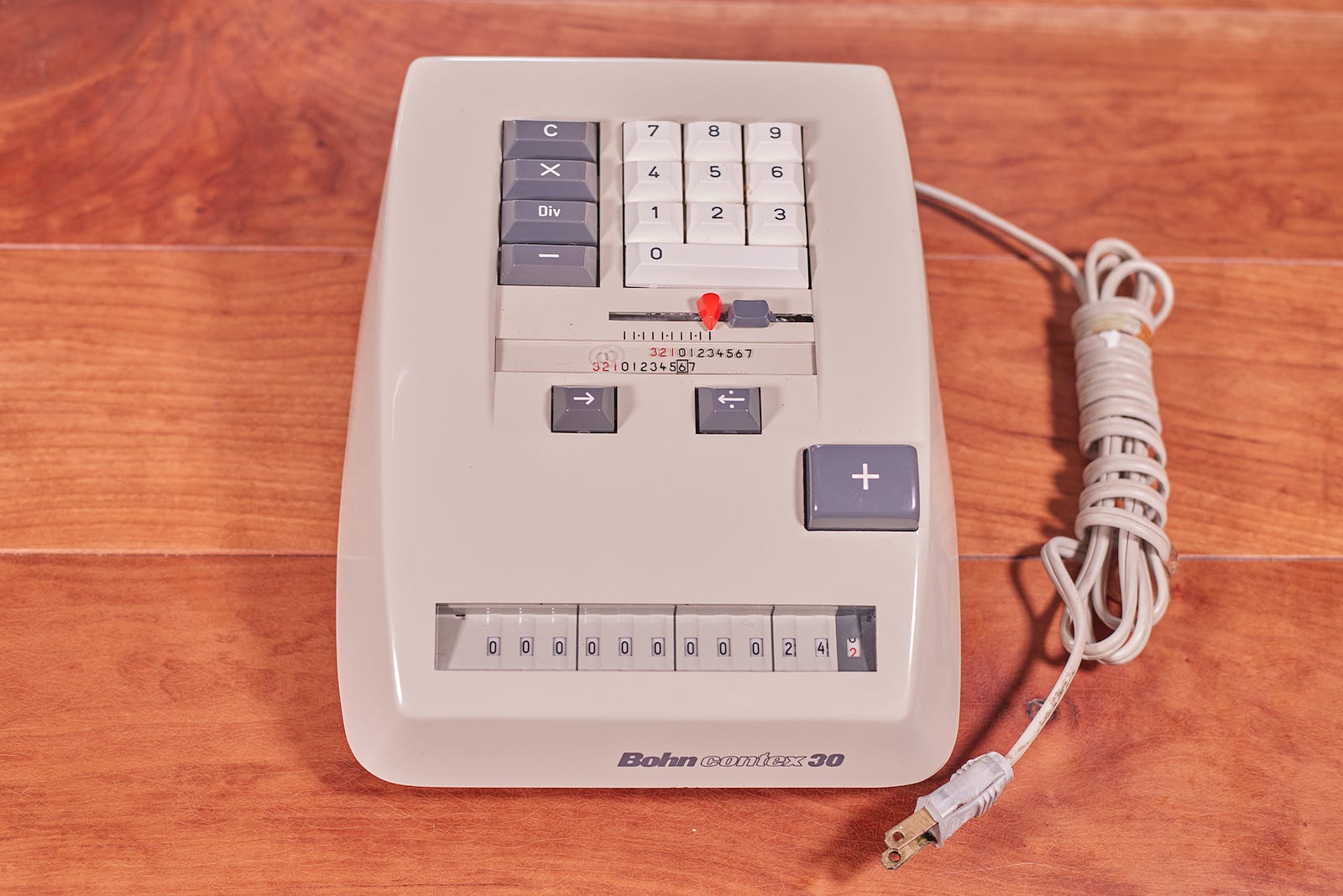
For example, budgeting becomes much easier when you estimate monthly income, fixed expenses, savings, and discretionary spending. Investment planning also benefits from accurate projections that help determine how much money may grow over time.
Common financial calculations include:
- Monthly budgets
- Loan repayments
- Savings projections
- Investment growth
- Tax estimates
- Profit and loss calculations
Instead of relying on rough estimates, precise calculations allow individuals and businesses to make informed financial decisions with greater confidence.
Supporting Students and Lifelong Learners
Education is another area where digital calculation tools have become extremely valuable. Students often solve hundreds of mathematical problems during their academic journey, and a calculator helps verify answers while saving time.
However, it should complement learning rather than replace it. Understanding mathematical concepts remains essential, while calculation tools assist in checking accuracy and reducing simple arithmetic mistakes. Teachers also use digital tools during classroom demonstrations to explain formulas, percentages, graphs, and statistical concepts more efficiently. As a result, students can focus more on problem-solving instead of lengthy manual calculations.
Common Mistakes to Avoid
Although calculation tools are highly accurate, incorrect input can still produce misleading results. Paying attention to the entered values is just as important as the calculation itself.
Avoid these common mistakes:
- Entering incorrect numbers
- Selecting the wrong formula
- Using inaccurate measurement units
- Ignoring decimal points
- Relying on outdated financial assumptions
- Forgetting to review the final result
Taking a few extra seconds to verify your inputs can prevent costly mistakes, especially in finance, engineering, and business calculations.
Simple Tips for Better Accuracy
Using a calculator effectively involves more than pressing buttons. A few good habits can significantly improve the reliability of your results.
Helpful practices include:
- Double-check every value before calculating.
- Keep units consistent throughout the calculation.
- Compare results when making important financial decisions.
- Understand the purpose of each calculation.
- Save important results for future reference.
- Update assumptions when market conditions or personal circumstances change.
These small habits improve confidence and reduce the likelihood of errors.
The Future of Digital Calculation Tools
Calculation technology continues to evolve alongside modern software and smart devices. Today’s tools perform far more than basic arithmetic, helping users solve increasingly complex problems within seconds. Future developments are expected to provide more personalized experiences, faster processing, better visualization of results, and improved integration with financial, educational, and business applications.
As digital services continue expanding, calculation tools will remain an essential resource for everyday decision-making. Despite these advancements, one principle remains unchanged: accuracy is the foundation of every reliable calculation. Whether managing personal finances, studying mathematics, or planning business growth, dependable calculations support better outcomes.
Conclusion
Accurate calculations influence many of the decisions we make every day. From budgeting household expenses to solving academic problems and planning long-term financial goals, having access to a dependable calculator makes life easier and more efficient. Rather than spending valuable time performing lengthy manual calculations, users can obtain precise results within seconds. This not only improves productivity but also increases confidence when making important personal, educational, or business decisions.
Choosing the right calculator depends on your specific needs. A student may require advanced mathematical functions, while an investor may focus on financial projections. Whatever the purpose, selecting the appropriate tool and using it correctly helps ensure reliable results every time. As technology continues to improve, digital calculation tools will become even more capable and user-friendly. By understanding their features and applying them wisely, anyone can simplify complex tasks, reduce errors, and make smarter decisions with greater confidence.