
A BMI calculator is a simple tool that estimates Body Mass Index using a person’s height and weight. It is commonly used as an initial screening measure to understand whether a person’s body weight falls within a particular range for their height. Because the calculation is quick and requires only two basic measurements, BMI has become widely used in health assessments, fitness programs, research, and general wellness discussions.
However, BMI is only one measure of health and should not be treated as a complete description of a person’s physical condition. Two people can have the same BMI while having very different amounts of muscle, body fat, bone mass, and overall fitness. Understanding what the number means, how it is calculated, and where its limitations lie can make the information much more useful.
Using a BMI calculator can therefore be a helpful starting point rather than a final health judgment. When combined with other information such as waist circumference, physical activity, nutrition, age, medical history, and body composition, BMI can provide broader context about weight-related health.
What Is BMI and Why Is It Used?
Body Mass Index, commonly called BMI, is a numerical value calculated from a person’s weight and height. The standard formula divides weight in kilograms by height in meters squared. For people using pounds and inches, a different conversion is applied to produce the same type of measurement. The result is then compared with established BMI categories.
The main purpose of BMI is screening. Health professionals and researchers can use it to identify broad weight categories across large populations without requiring expensive equipment or complicated testing. For an individual, the result can provide a general indication of whether their weight is relatively low, within a commonly defined range, or higher in relation to their height.
A BMI value does not directly measure body fat. Instead, it uses height and weight as indirect indicators. This distinction is important because body composition varies significantly between individuals. Someone who participates in resistance training, for example, may have considerable muscle mass that contributes to body weight without representing excess body fat.
How Does a BMI Calculator Work?
A BMI calculator generally requires two pieces of information: body weight and height. After entering those measurements, the tool applies the standard BMI formula and displays the resulting number. The calculation itself is straightforward, which is one reason BMI has remained popular for decades.
For example, imagine a person weighs 70 kilograms and is 1.75 meters tall. The BMI calculation would be:
BMI = 70 ÷ (1.75 × 1.75)
The result is approximately 22.9. That number can then be compared with commonly used adult BMI categories.
A BMI calculator may make this process easier because users do not need to perform the mathematical calculation themselves. Many tools also provide an interpretation of the number, although that interpretation should be considered in context rather than viewed as a diagnosis.
Understanding Adult BMI Categories
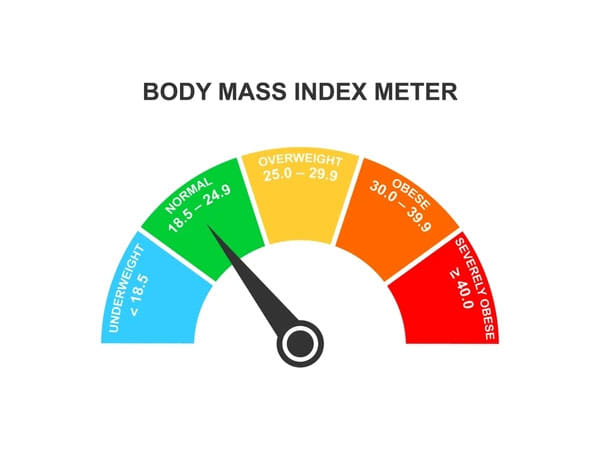
For adults, commonly used BMI categories divide results into broad ranges. These categories are designed primarily for screening and population-level assessment. They are not intended to determine an individual’s complete health status.
| Adult BMI Range | Common Category |
|---|---|
| Below 18.5 | Underweight |
| 18.5–24.9 | Healthy weight |
| 25.0–29.9 | Overweight |
| 30.0 or higher | Obesity |
These ranges provide a useful framework, but they should not be interpreted in isolation. A BMI close to a category boundary does not necessarily mean that a person’s health suddenly changes when the number moves slightly above or below that point. Health exists on a continuum, and many other factors influence disease risk and general wellbeing.
Age and sex can also affect how body composition should be interpreted. For children and teenagers, standard adult BMI categories should not be used in the same way. BMI for younger people is typically interpreted according to age- and sex-specific growth charts and percentiles.
Why BMI Can Be Useful
One major advantage of BMI is its simplicity. Unlike some methods of measuring body composition, it does not require specialized equipment. A person only needs reasonably accurate measurements of height and weight to calculate the value.
Another benefit is consistency. Because the calculation is standardized, researchers and healthcare systems can use BMI to examine weight patterns across large groups. This makes it useful in public health studies and epidemiological research.
For individuals, the number can encourage awareness of changes over time. Someone who notices a substantial and sustained change in weight may use the result as a reason to look more closely at eating habits, physical activity, sleep, or other lifestyle factors. The goal should not be to chase a particular number at any cost, but to understand what the measurement may indicate within a broader health picture.
Limitations of BMI
Despite its usefulness, BMI has important limitations. The calculation does not distinguish between muscle and fat. A muscular person may have a relatively high BMI because muscle is dense, even if their body-fat level is not high. Conversely, a person can have a BMI within a commonly defined range while carrying a relatively high proportion of body fat.
This means a BMI result should not automatically be interpreted as proof that someone is healthy or unhealthy. It is better understood as one screening measurement among several. Waist circumference, body composition, blood pressure, blood glucose, cholesterol levels, fitness, dietary habits, and other health indicators may provide additional information.
The limitations become particularly relevant for athletes, older adults, pregnant people, and certain populations whose body composition may differ from the assumptions behind standard BMI categories. Medical professionals may therefore use other measurements alongside BMI when assessing an individual’s health.
BMI and Body Composition Are Not the Same
Body composition describes the different components that make up body weight, including fat, muscle, bone, and water. BMI does not measure these components separately. This is one of the most important distinctions to remember when interpreting a result.
Consider two people who both have a BMI of 27. One might have a relatively high level of muscle from years of strength training, while the other might have less muscle and a greater amount of body fat. Their BMI is identical, but their body composition is different.
More detailed assessments can include waist measurements, skinfold measurements, bioelectrical impedance, or other body-composition methods. Each approach has advantages and limitations, and accuracy can vary depending on the equipment and how measurements are performed.
How to Use BMI as Part of a Healthier Lifestyle
A BMI result can be more meaningful when viewed alongside everyday lifestyle habits. Instead of focusing exclusively on the number, people can consider whether they are eating a balanced diet, getting sufficient physical activity, sleeping adequately, and maintaining habits that support long-term health.
If weight management is a personal goal, gradual and sustainable changes are generally more practical than extreme approaches. Regular movement, nutritious meals, adequate protein and fiber, appropriate portion sizes, and consistent sleep can all contribute to overall wellbeing.
A BMI calculator can help establish a starting point, but progress should not be judged solely by changes in BMI. Improvements in strength, endurance, energy levels, mobility, cardiovascular fitness, and other health indicators can also be meaningful.
When Should You Look Beyond BMI?
There are situations where BMI provides limited information and additional assessment becomes particularly important. Someone with significant muscle mass, for example, may receive a higher BMI result that does not accurately represent their body-fat level. Similarly, older adults may experience changes in muscle mass that are not obvious from BMI alone.
People who have concerns about unexplained weight changes, eating patterns, chronic health conditions, or other symptoms should discuss those concerns with an appropriate healthcare professional. A professional can consider personal circumstances rather than relying on a single numerical measurement.
It is also important to avoid comparing BMI values between people as though the numbers determine who is healthier. Health is influenced by many factors, and a single measurement cannot capture the full picture.
Common Mistakes When Interpreting BMI
One common mistake is treating a BMI category as a diagnosis. BMI can indicate a broad weight category, but it does not diagnose a medical condition. Another mistake is assuming that every person within the same category has the same level of health risk.
People may also focus too heavily on small fluctuations. Body weight naturally changes because of hydration, food intake, sodium consumption, digestive contents, exercise, and other short-term factors. A single measurement may therefore not represent a long-term trend.
A more useful approach is to consider measurements consistently and look at broader patterns. If someone is tracking weight for a specific purpose, taking measurements under similar conditions can make changes easier to interpret.
Who Should Be Careful With Standard BMI Interpretation?
Standard adult BMI categories are not appropriate for every situation. Children and adolescents require age- and sex-specific interpretation because their bodies are continuously growing and developing. Pregnancy is another situation in which standard BMI interpretation does not work in the same way because pregnancy involves expected changes in body weight and composition.
Athletes and highly muscular individuals may also need additional measurements because BMI cannot distinguish muscle from fat. Older adults may benefit from attention to muscle strength and body composition as well, particularly because maintaining muscle and physical function can become increasingly important with age.
For these groups, BMI can still be part of a broader assessment in some circumstances, but it should not be treated as the sole measurement.
Using BMI for Long-Term Health Awareness
The greatest value of BMI may come from using it as a starting point for health awareness rather than as a target that defines success or failure. A number can encourage someone to ask useful questions about their lifestyle and overall wellbeing.
For example, a person who notices a gradual increase in weight might review changes in daily activity, food choices, sleep, stress, or routine. Someone whose weight is stable might still focus on cardiovascular fitness, strength, balanced nutrition, and other aspects of health. In both situations, BMI is only one part of the conversation.
Long-term health is influenced by behavior and circumstances over time. Maintaining realistic habits is generally more useful than making decisions based entirely on a single calculation.
Tips for Getting More Meaning From Your Result
When using a BMI calculator, accuracy begins with accurate measurements. Height should be measured without footwear where practical, and weight should be measured using a reliable scale. Consistency is particularly helpful when tracking changes over time.
A few useful considerations include:
- Treat BMI as a screening measurement rather than a diagnosis.
- Consider waist size and body composition when appropriate.
- Look at long-term trends instead of reacting to one reading.
- Discuss concerning results or major changes with a healthcare professional.
These simple principles can prevent common misunderstandings and help put the result into a more realistic context.
BMI, Fitness, and Overall Wellbeing
Being physically active provides benefits that cannot be captured by BMI alone. Regular exercise can support cardiovascular health, muscular strength, mobility, balance, and mental wellbeing. Someone can therefore have a BMI within a commonly defined range and still benefit from becoming more active.
Likewise, someone with a higher BMI can improve important health markers through regular physical activity, nutritious eating, improved sleep, and other sustainable lifestyle changes. Health improvement does not always appear immediately through changes in body weight.
This is why BMI should be considered alongside the habits and health indicators that matter for the individual. A broader perspective can make health tracking more constructive and less focused on a single number.
Conclusion
A BMI calculator offers a convenient way to estimate Body Mass Index from height and weight. Its simplicity makes it useful for general screening, population research, and basic health awareness. However, BMI does not directly measure body fat, muscle mass, fitness, or overall health, so its result needs to be interpreted carefully. The most useful approach is to treat BMI as one piece of information rather than a complete health assessment. Looking at body composition, waist measurements, physical activity, nutrition, sleep, medical history, and other relevant factors can provide a much clearer picture. When significant concerns arise, professional medical guidance can help interpret the information appropriately.

.jpg&description=Learn how a BMI calculator works, understand BMI ranges, explore its limitations, and discover how BMI can support healthier lifestyle decisions.)