
Understanding whether your body weight is appropriate for your height can be a useful starting point for learning more about your overall health. Weight alone does not provide enough information because people with different heights naturally have different healthy weight ranges. This is where a bmi calculator can provide a simple numerical estimate by comparing a person’s weight with their height. It is commonly used as an initial screening measure rather than a complete assessment of health.
A bmi calculator is easy to use because it generally requires only two pieces of information: body weight and height. After entering these measurements, the calculation produces a number that can be compared with established BMI categories. Although the calculation is straightforward, understanding what the result actually means is more important than simply looking at the number. BMI can offer useful general information, but it does not directly measure body fat, muscle mass, fitness, or individual health conditions.
For people trying to understand weight management, a BMI result can serve as one piece of a broader health picture. It may encourage someone to pay attention to nutrition, physical activity, sleep, and other lifestyle factors. At the same time, a result should not be treated as a diagnosis or as a definitive statement about an individual’s health.
What Is BMI and Why Is It Used?
Body Mass Index, commonly known as BMI, is a numerical measure calculated from a person’s weight and height. It was developed as a population-level statistical measure and has become widely used as a screening tool in healthcare and public health settings. The basic concept is that weight is considered in relation to height rather than being viewed independently.
For adults, BMI is generally calculated by dividing weight in kilograms by height in meters squared. For example, if an adult weighs 70 kilograms and is 1.75 meters tall, the calculation is 70 divided by 1.75 multiplied by 1.75. The resulting BMI is approximately 22.9. This number can then be interpreted using standard adult BMI categories.
The simplicity of BMI explains why it remains widely used. A healthcare professional, fitness enthusiast, or individual tracking changes in body weight can calculate it quickly without specialized equipment. However, simplicity is also its limitation. Two people can have exactly the same BMI while having very different body compositions.
How a BMI Calculator Works
A bmi calculator follows a mathematical formula using weight and height. In the metric system, weight is entered in kilograms and height in meters. In systems using pounds and inches, the calculation uses a conversion factor to produce the corresponding BMI value. Modern calculators typically perform these conversions automatically, reducing the chance of manual calculation errors.
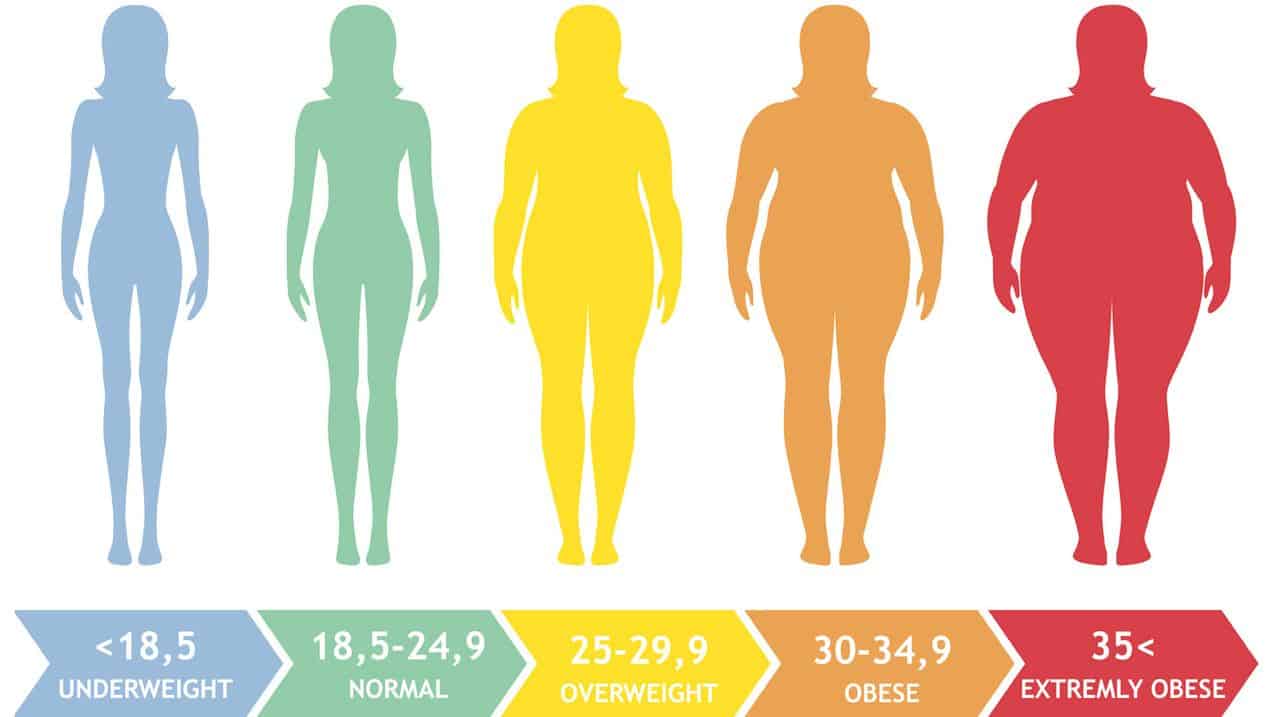
The result is presented as a number rather than a percentage. That number is then compared with recognized adult BMI categories. For many adults, a BMI below 18.5 is classified as underweight, 18.5 to less than 25 as healthy weight, 25 to less than 30 as overweight, and 30 or higher as obesity. These categories are useful for general screening, but they should be interpreted within the context of the person’s age, sex, body composition, medical history, and other factors.
It is also important to understand that BMI categories are not intended to describe every person perfectly. A single measurement may not reflect changes in muscle, fat distribution, fluid levels, or other physical characteristics. Therefore, BMI is most useful when considered alongside other relevant health information.
Understanding Adult BMI Categories
Adult BMI categories provide a standardized way to interpret a calculated result. They are designed primarily for screening and population-level assessment. A result outside the commonly defined healthy-weight range does not automatically mean that a person is unhealthy, just as a result within the range does not guarantee good health.
| Adult BMI Range | General Category |
|---|---|
| Below 18.5 | Underweight |
| 18.5 to 24.9 | Healthy weight |
| 25.0 to 29.9 | Overweight |
| 30.0 or higher | Obesity |
These ranges are commonly used for adults, but interpretation can differ for children and teenagers because their bodies are still growing. For younger people, BMI is generally interpreted using age- and sex-specific growth charts rather than applying adult categories directly.
Why Height and Weight Matter Together
Looking only at body weight can create an incomplete impression. For instance, a weight of 80 kilograms could represent a very different body size depending on whether a person is 1.55 meters tall or 1.90 meters tall. Height provides the context needed to interpret weight more meaningfully.
A bmi calculator combines these two measurements to create a standardized figure. This allows people to track broad changes over time. For example, if a person’s weight changes while height remains stable, the BMI will also change. This can provide a simple way to observe trends, although the reason behind the change requires additional information.
Weight changes can result from several factors, including changes in muscle, fat, water retention, diet, exercise, medication, or illness. Therefore, a BMI trend should be considered alongside the circumstances surrounding the change rather than interpreted in isolation.
Benefits of Using a BMI Calculator
One of the biggest advantages of a bmi calculator is convenience. It allows an individual to obtain a basic BMI estimate within seconds without requiring laboratory testing or specialized equipment. This makes BMI particularly useful as an initial screening measurement when someone wants to understand where their current weight falls relative to their height.
BMI can also be useful for monitoring general trends. Suppose someone begins making gradual lifestyle changes and their weight decreases over several months. Tracking BMI alongside body weight can show whether the person’s overall measurement is moving in the same direction. This can provide an additional reference point during long-term weight management.
However, the value of BMI is greatest when it is treated as one measurement among several. Waist circumference, physical activity, dietary habits, blood pressure, blood glucose, cholesterol levels, sleep, and medical history may provide additional information that BMI cannot capture.
What BMI Does Not Tell You
BMI does not directly measure body fat. It only uses height and weight, which means it cannot distinguish between fat mass and lean mass. This distinction is particularly important for people who have substantial muscle mass. A muscular person may have a relatively high BMI even though their body-fat level is not high.
BMI also does not indicate where fat is stored in the body. Fat around the abdominal area can have different health implications from fat stored elsewhere, but BMI itself does not measure fat distribution. Similarly, it cannot tell whether a person’s weight comes primarily from muscle, bone, body fat, or other tissues.
This is why a bmi calculator should not be used as the sole basis for judging someone’s health. A person who wants a more complete assessment may benefit from discussing weight, body composition, lifestyle, and relevant health measurements with a qualified healthcare professional.
When BMI May Need Additional Context
Certain groups require more careful interpretation of BMI. Athletes and people with high muscle mass are common examples because muscle is denser than fat and can contribute significantly to body weight. Older adults may also require a broader assessment because body composition can change naturally with age.
Pregnancy is another situation in which standard adult BMI interpretation is not appropriate for assessing the current body weight of the pregnant person. Children and adolescents also require age- and sex-specific interpretation because normal growth patterns change over time.
People from different ethnic and population backgrounds may also experience health risks at different BMI levels. Researchers and healthcare organizations have recognized that BMI thresholds do not necessarily capture every population in exactly the same way. Consequently, individual interpretation can be more nuanced than simply placing a number into a category.
How to Use BMI as Part of a Health Routine
A BMI measurement can be more useful when combined with consistent lifestyle tracking. Instead of focusing on one isolated result, people can consider longer-term trends in weight, activity, nutrition, sleep, and general wellbeing. This approach reduces the temptation to treat a single number as a complete description of health.
For example, someone who is trying to manage their weight might record measurements periodically rather than checking them repeatedly throughout the day. Changes can then be considered over weeks or months. Since body weight naturally fluctuates because of hydration, meals, sodium intake, and other factors, short-term changes do not always represent changes in body fat.
A practical approach can include:
- Measuring weight under reasonably consistent conditions.
- Paying attention to longer-term trends rather than one reading.
- Combining BMI information with lifestyle and other health measurements.
- Discussing unexpected or concerning changes with a healthcare professional.
BMI and Healthy Weight Management
Healthy weight management is not simply about reaching a particular BMI number. Sustainable habits generally matter more than rapid changes. Balanced nutrition, regular movement, adequate sleep, stress management, and appropriate portions can all contribute to maintaining a healthier lifestyle.
People sometimes become overly focused on achieving a specific number because BMI categories appear clearly defined. However, individual health goals can vary considerably. A gradual change supported by sustainable habits may be more practical than extreme dieting or excessive exercise designed to produce rapid results.
A bmi calculator can therefore function as a starting point rather than an endpoint. It can help someone recognize a general weight category and encourage further reflection about health habits. The next step should be understanding what factors may be influencing the result and whether additional assessment is appropriate.
Common Mistakes When Interpreting BMI
One common mistake is assuming that BMI is a direct measurement of body fat. It is not. Because the calculation uses only height and weight, it cannot determine body composition. Another mistake is believing that a BMI within the healthy-weight category automatically means every aspect of a person’s health is healthy.
Another issue is comparing BMI results between people without considering differences in age, sex, muscle mass, or other characteristics. BMI is designed as a standardized screening measurement, but individual circumstances can affect how meaningful the result is.
People may also make the mistake of reacting to a single measurement. Weight and BMI can change temporarily because of hydration, food intake, exercise, and other everyday factors. Looking at longer-term patterns generally provides more useful context than becoming concerned about a small short-term fluctuation.
BMI for Children and Teenagers
BMI interpretation for children and teenagers is different from adult BMI interpretation. Young people experience continuous growth, and their body composition changes as they develop. As a result, the same BMI value can have different meanings at different ages and between sexes.

Healthcare professionals generally use BMI-for-age measures and growth charts for children and adolescents. These methods compare a young person’s BMI with measurements from other children of the same age and sex. Parents and caregivers should therefore avoid applying adult BMI categories to children without appropriate professional guidance.
The distinction highlights an important limitation of a general bmi calculator. A tool designed for adults may not be suitable for every age group. Users should always check whether the calculator is specifically intended for their age and circumstances before interpreting the result.
Making Sense of Your BMI Result
The most useful way to view BMI is as an indicator that can prompt further questions. If a result falls outside the commonly used range, it may be worth examining factors such as diet, activity level, family history, waist measurement, and other health indicators. It does not automatically establish that a medical problem exists.
Similarly, a result within the standard range should not be interpreted as proof that no health concerns exist. A person can have an appropriate BMI while still experiencing issues related to blood pressure, blood sugar, cholesterol, nutrition, fitness, or other aspects of health.
The number becomes more meaningful when it is placed within a broader picture. For people with significant weight changes, chronic health concerns, or uncertainty about what their result means, professional guidance can provide context that a basic calculation cannot.
Conclusion
A bmi calculator offers a convenient way to understand the relationship between body weight and height. By producing a simple numerical value, it provides a standardized starting point for understanding broad weight categories in adults. Its accessibility makes it useful for general screening, personal tracking, and learning about weight-related health concepts. At the same time, BMI should never be viewed as a complete measure of health. It cannot distinguish muscle from fat, identify fat distribution, or account for every individual factor that affects wellbeing. Age, body composition, lifestyle, medical history, and other measurements can all influence how a BMI result should be understood.