
Introduction
A calculator is one of the most useful tools for handling numbers quickly and accurately. From simple addition and subtraction to percentages, financial planning, scientific formulas, and advanced mathematical operations, it can make complicated calculations much easier. Although calculators were originally designed mainly for mathematics, they are now used across education, business, engineering, shopping, banking, construction, and everyday household activities. Students may use one to check mathematical answers, while professionals can use specialized versions for finance, statistics, science, or engineering. Modern digital tools are also available on computers, smartphones, websites, and other devices, making calculations accessible almost anywhere. Understanding the different types of calculators and knowing when to use them can save time, reduce manual errors, and improve productivity. Whether someone needs to calculate a bill, compare prices, estimate a loan payment, or solve a mathematical problem, the right tool can make the process considerably simpler.
What Is a Calculator?
A calculator is a device or digital application designed to perform numerical and mathematical operations. Basic models generally handle addition, subtraction, multiplication, and division, while advanced models can solve equations, work with logarithms, trigonometric functions, percentages, statistics, and other complex operations. The main purpose is to provide quick results without requiring every step to be calculated manually.
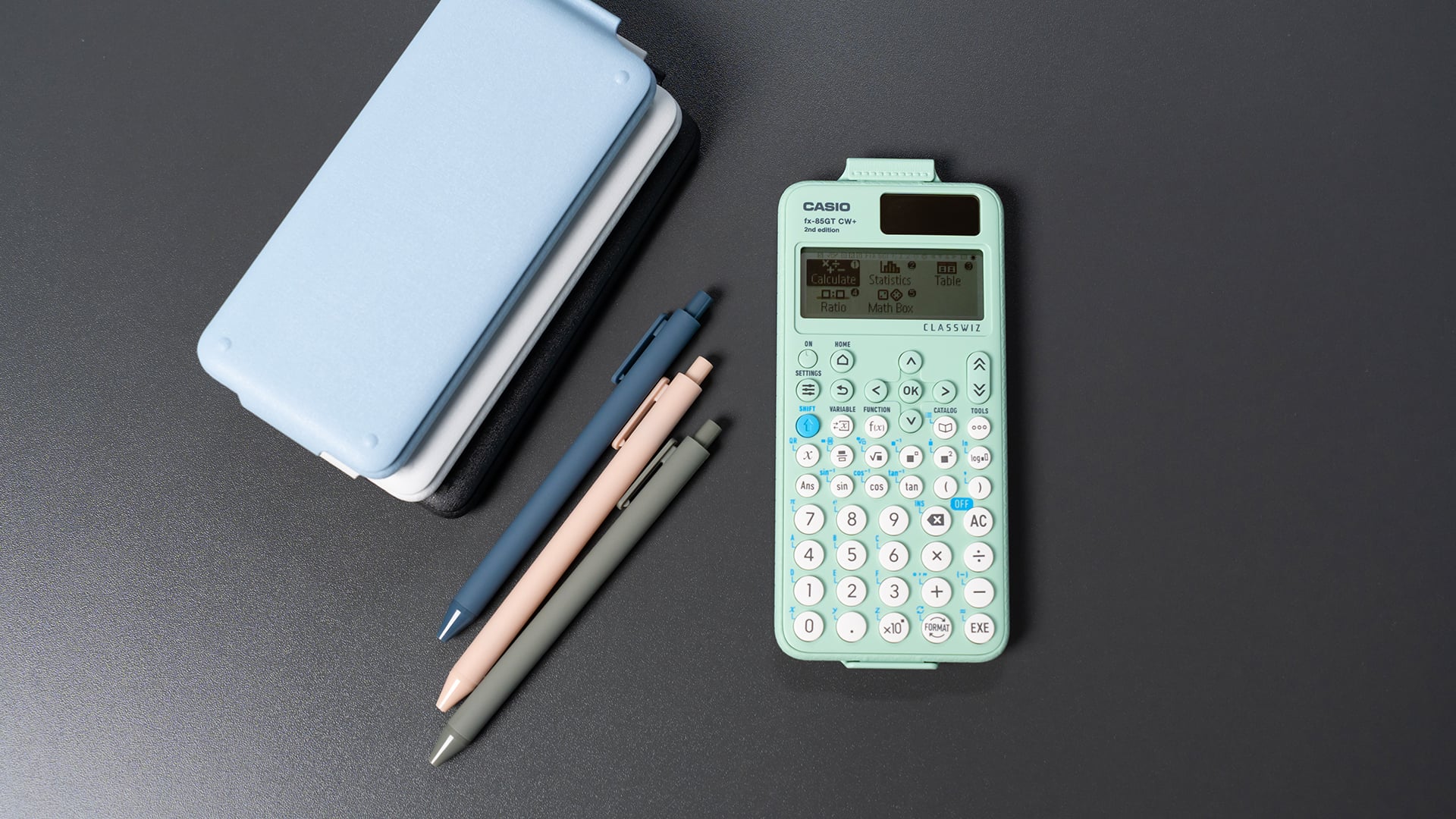
Today, calculators come in many forms. A basic handheld model can be useful for everyday arithmetic, while scientific and graphing models are designed for academic and technical work. Online versions offer additional convenience because users can perform calculations directly from a browser or digital platform. Specialized tools can also focus on areas such as mortgages, percentages, grades, age, health measurements, or currency conversions. Choosing the appropriate type depends on the calculation, required accuracy, and level of complexity.
Different Types of Calculators
The variety of calculators available today reflects the wide range of calculations people perform. Basic calculators are suitable for everyday arithmetic and simple financial tasks. Scientific models are designed for students and professionals who need mathematical and scientific functions. Graphing models can display equations and mathematical relationships visually, making them useful for advanced education.
Financial calculators are commonly used for interest, investment, loan, and payment calculations. Programmable models can perform customized operations, while online calculators often provide specialized functions without requiring a physical device. Each type serves a different purpose, so selecting the right option can make calculations more efficient.
| Type | Common Use | Typical Functions |
|---|---|---|
| Basic | Everyday arithmetic | +, −, ×, ÷ |
| Scientific | School and technical work | Trigonometry, powers, logarithms |
| Graphing | Advanced mathematics | Graphs, equations, functions |
| Financial | Banking and finance | Interest, payments, investments |
| Percentage | Shopping and business | Discounts, increases, percentages |
| Online | General digital use | Multiple calculation options |
Why Calculators Are Useful
The biggest advantage of a calculator is speed. A calculation that might require several manual steps can often be completed in a few seconds. This becomes especially valuable when dealing with large numbers, repeated calculations, or formulas involving several operations. Speed can help students complete practice exercises, businesses analyze figures, and households manage budgets more efficiently.
Another important advantage is reducing arithmetic mistakes. Manual calculations can easily lead to errors when numbers are copied incorrectly or operations are performed in the wrong order. A reliable calculator can provide a quick way to verify results. However, users should still understand the calculation they are performing because incorrect inputs can produce incorrect results. A calculator is therefore best viewed as a helpful mathematical assistant rather than a replacement for basic numerical understanding.
Calculators in Education
Education is one of the most common areas where calculators are used. Students often begin with simple arithmetic before moving toward percentages, fractions, algebra, geometry, statistics, and advanced mathematics. As mathematical problems become more complex, an appropriate calculator can reduce repetitive arithmetic and allow learners to focus more attention on concepts and problem-solving methods.
Scientific calculators are particularly useful in higher-level mathematics and science subjects. They can handle powers, roots, logarithms, trigonometric functions, and other operations that would be time-consuming to calculate manually. Teachers may also use calculators to demonstrate formulas and verify answers. However, students should learn fundamental mathematical principles before depending heavily on technology. Understanding why an answer is correct is more valuable than simply obtaining the answer.
Everyday Uses
A calculator can be helpful in many ordinary situations. Someone shopping may calculate a discount before purchasing an item, while a household can estimate monthly expenses or divide a bill among several people. Travelers may use numerical tools to convert measurements or compare costs. Students can calculate percentages and grades, while workers can estimate quantities, rates, or project costs.
Common everyday uses include:
- Calculating discounts and sale prices.
- Splitting bills among multiple people.
- Estimating monthly budgets.
- Checking percentages and averages.
- Converting measurements.
- Comparing costs and quantities.
Because these tasks occur frequently, quick calculations can make routine decisions easier. Even a basic calculator can provide significant convenience when accuracy matters.
Financial Planning and Business
Financial calculations often involve percentages, interest rates, payments, and time periods. Businesses use numerical tools to estimate revenue, expenses, profit margins, taxes, and project costs. Individuals can also use financial calculators to understand borrowing costs, savings growth, and investment scenarios.
For example, when comparing two loans, a person should consider more than the monthly payment. Interest rates, loan duration, fees, and total repayment can all influence the actual cost. Specialized financial tools can make these comparisons easier by handling formulas automatically. However, users should verify important financial results and understand the assumptions used by the calculation. Small differences in rates or time periods can sometimes produce significant differences in the final amount.
Calculator Accuracy and Responsible Use
Although calculators are highly useful, accuracy depends on correct input and appropriate settings. Entering the wrong number, selecting the wrong operation, or misunderstanding a formula can lead to an incorrect result. Users should therefore check important calculations rather than automatically trusting every displayed number.
 A good habit is to estimate the expected result before calculating. For example, if an item costs around 1,000 and a discount is approximately 20%, the final price should be somewhere near 800. If the displayed answer is dramatically different, the calculation should be checked. This simple approach can identify many input errors and encourages users to maintain numerical awareness.
Online Calculators and Digital Convenience
Digital technology has made calculators more accessible than ever. Instead of carrying a physical device, people can use calculator applications on computers and smartphones. Online tools can also provide specialized calculations for particular needs. These tools may include additional explanations, formulas, conversion options, or step-by-step information.
The convenience of digital calculators is particularly valuable for people who frequently work with numbers. A browser-based tool can be accessed whenever a calculation is required, while specialized applications can store or organize results. Nevertheless, users should choose reputable and clearly designed tools, especially when calculations involve important financial, academic, or professional decisions.
How to Choose the Right Calculator
The best calculator depends on the task. Someone who only needs basic arithmetic does not need an advanced scientific model. A student studying algebra or physics may require scientific functions, while an engineering student could benefit from a graphing or advanced mathematical model. Financial professionals may need specialized financial features.
Before choosing a tool, consider:
- The complexity of the calculations.
- Required mathematical functions.
- Ease of use.
- Accuracy and reliability.
- Whether physical or digital access is preferred.
Choosing the right option prevents unnecessary complexity and makes numerical work more efficient.
Future of Calculation Tools
Calculation technology continues to become more convenient and versatile. Modern digital platforms can combine numerical operations with explanations, visualizations, conversion features, and specialized formulas. This means users can increasingly solve different types of problems from a single device or platform.
Despite technological changes, the fundamental purpose remains the same: helping people work with numbers efficiently. Future tools will likely focus on clearer interfaces, faster processing, better accessibility, and more specialized functions. However, mathematical understanding will continue to matter because users need to know what information to enter and how to interpret the result.
Conclusion
A calculator is a practical tool that makes numerical work faster, easier, and more manageable. From basic arithmetic to scientific, educational, and financial calculations, different types are designed for different needs. They can save time, help reduce arithmetic mistakes, and support better decision-making in everyday and professional situations. However, users should remember that accurate results depend on accurate inputs and proper understanding of the calculation. Learning fundamental mathematics while using technology for efficiency creates the best balance. Whether used by a student, professional, business owner, or household, the right calculator can turn complicated numerical tasks into simpler and more organized processes.