
Jerry Speyer and Robert De Niro are two prominent figures whose professional achievements have helped shape different aspects of New York City’s identity. Speyer is widely recognized for his leadership in commercial real estate, property investment, and urban development, while De Niro has earned international recognition for his acting career, filmmaking, and contributions to the city’s cultural landscape. Although they work in different industries, both have played important roles in the development of New York as a global center for business, entertainment, tourism, and creative ambition.
The connection between jerry speyer and robert de niro is an interesting subject because it brings together two different approaches to building a lasting legacy. One represents the financial and physical infrastructure that supports a modern city, while the other represents the artistic expression and cultural experiences that give that city its character. Their professional paths illustrate how business leaders and creative entrepreneurs can influence the same urban environment without necessarily sharing the same career or public identity.
Understanding their individual accomplishments provides a clearer picture of why their names attract attention in discussions about New York’s development. From large commercial properties and investment strategies to internationally recognized films and hospitality ventures, their careers demonstrate the many ways influential individuals can contribute to a city’s reputation. Examining their backgrounds, achievements, and broader impact also helps distinguish documented professional accomplishments from assumptions about their personal or business relationships.
Who Is Jerry Speyer?
Jerry Speyer is an American real estate investor and business executive best known for his leadership at Tishman Speyer, one of the major real estate investment and development firms associated with large commercial properties. His career has involved acquiring, developing, managing, and repositioning significant buildings in major business districts. These activities require more than financial resources alone; they also demand an understanding of tenant demand, economic conditions, urban planning, construction costs, and the long-term needs of businesses occupying commercial spaces.
Speyer’s work illustrates how real estate investment can influence the way a city operates. Large office buildings provide workplaces for corporations, professional services, financial institutions, and technology companies. Their design and location can affect transportation patterns, nearby retail activity, employment opportunities, and the character of surrounding neighborhoods. Through major property investments, real estate leaders help determine how commercial districts evolve and how cities respond to changing economic demands.
Another important element of Speyer’s professional reputation is the role of long-term planning in property ownership. Commercial real estate often involves substantial capital commitments, complicated financing arrangements, and investment decisions that may take years to produce results. A successful project must account for current market conditions while anticipating how businesses and workers might use a building in the future. This balance between immediate financial performance and long-term value is central to understanding Speyer’s influence in the industry.
Robert De Niro: A Career Beyond Acting
Robert De Niro is one of the most respected actors in American cinema, known for performances that combine emotional depth, careful preparation, and an exceptional ability to portray complex characters. His career includes celebrated films such as The Godfather Part II, Taxi Driver, Raging Bull, Goodfellas, and The Deer Hunter. His work has earned major industry recognition, including two Academy Awards, and his collaborations with director Martin Scorsese have become an important part of modern film history. Rather than limiting himself to acting, De Niro has also worked as a producer and director, helping develop projects that reflect his interest in storytelling and the creative process.
De Niro’s influence extends beyond film production. He has participated in restaurant and hospitality ventures, including the Nobu brand, and helped establish Tribeca’s cultural identity through film-related initiatives. These activities demonstrate how a successful performer can build a broader business presence by combining professional reputation, partnerships, and a long-term commitment to a particular place. His involvement in New York’s creative community has helped attract attention to independent filmmaking, emerging artists, restaurants, and cultural events. His career therefore offers a useful comparison with Speyer’s: both have expanded their influence beyond their original professional specialties, although the industries and business models involved are substantially different.
The Real Connection Between Jerry Speyer and Robert De Niro
The most meaningful documented connection between jerry speyer and robert de niro is their association with the National September 11 Memorial & Museum. Both men have been identified as founding trustees of the institution, which preserves the memory of the September 11 attacks and recognizes the lives affected by the tragedy. Their involvement reflects a shared connection to New York’s civic life rather than proof that they built their careers together or operated a joint commercial enterprise.
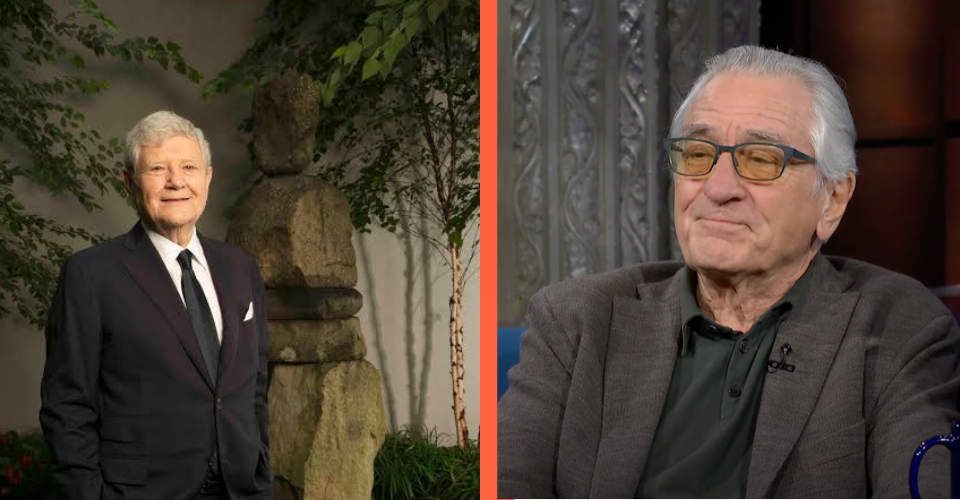
The memorial represents an important part of New York’s modern history. Following the attacks, the city faced the difficult task of remembering those who died while rebuilding damaged areas and supporting affected communities. The memorial and museum became central to that process by creating a permanent place for remembrance, education, and reflection. Individuals from different professional backgrounds contributed to the broader civic effort, including business leaders, cultural figures, public officials, and representatives of affected families. Speyer’s business background and De Niro’s cultural influence illustrate the range of experience represented in this kind of institutional work.
It is important to distinguish this shared civic association from claims about a personal friendship or private business partnership. Serving within the same institution does not automatically establish that two people regularly collaborate, invest together, or maintain a close personal relationship. Publicly documented information supports their connection through the memorial organization, but it does not establish a major joint real estate, film, restaurant, or hotel venture between them.
How Their Careers Have Influenced New York City
New York offers an environment in which business, culture, tourism, and public service frequently overlap. Large commercial developments help support employment and economic activity, while film production, restaurants, festivals, and cultural attractions encourage people to visit and spend time in different neighborhoods. Although Jerry Speyer and Robert De Niro have pursued separate careers, their professional achievements represent two important elements of the city’s broader development.
Speyer’s contribution is associated with the physical and commercial environment. Office buildings, redevelopment projects, and investment decisions can affect where companies establish operations and how districts respond to changing business needs. These projects may also influence surrounding shops, restaurants, transportation services, and public spaces. Their success depends on economic conditions, financing, construction quality, and the ability to attract tenants over time.
De Niro’s contribution is more closely associated with entertainment and cultural identity. Through his films, production work, and involvement in the Tribeca Festival, he has helped maintain New York’s visibility as a place where creative projects can be developed and presented to international audiences. Cultural events can encourage tourism, create opportunities for filmmakers, and give local businesses additional customers. Together, these examples demonstrate that urban development is not limited to constructing buildings; it also involves creating reasons for people to work, live, visit, and participate in community life.
A Comparison of Their Professional Contributions
| Area | Jerry Speyer | Robert De Niro |
|---|---|---|
| Primary profession | Real estate investment and development | Acting, filmmaking, and production |
| Major association | Tishman Speyer | Tribeca Productions and Tribeca Festival |
| Business focus | Commercial property and urban development | Entertainment, hospitality, and cultural ventures |
| Wider influence | Business districts and institutional leadership | Film, tourism, and cultural identity |
| Documented shared connection | National September 11 Memorial & Museum | National September 11 Memorial & Museum |
This comparison shows why the two names can appear together in discussions about New York without implying that their professional activities are identical. One career is primarily associated with property and investment, while the other combines entertainment with entrepreneurial activity. Their shared civic involvement provides a clear point of connection, but the distinction between their individual businesses remains important.
Are Jerry Speyer and Robert De Niro Business Partners?
A common question surrounding jerry speyer and robert de niro is whether they have worked together on a significant commercial project. Based on the publicly documented information available, no major business partnership between them has been established. Speyer’s principal business activities are associated with Tishman Speyer, whereas De Niro’s commercial interests have developed through film production, hospitality, restaurants, and cultural enterprises. Their professional biographies point toward separate business networks and different areas of expertise.
This distinction matters because prominent individuals often appear together in articles about influential people, charitable organizations, or major cities. Such associations can create the impression of a closer business relationship than the evidence supports. A reliable account should distinguish a documented institutional connection from a formal partnership, shared investment, or personal friendship. In this case, the memorial organization provides a verifiable point of overlap, but it should not be used to suggest an unconfirmed commercial arrangement.
Philanthropy and Civic Responsibility
Philanthropy is another important aspect of both men’s public profiles. Speyer has participated in leadership and governance roles involving educational, medical, cultural, and civic institutions. These responsibilities demonstrate how business leaders can contribute experience, resources, and strategic guidance to organizations that serve broader public interests. Institutions such as hospitals, universities, and museums depend on sustained support, responsible governance, and long-term planning to maintain their services and fulfill their missions.
De Niro’s civic involvement has included cultural initiatives and participation in the National September 11 Memorial & Museum. His work through the Tribeca Festival also illustrates how entertainment professionals can use their industry experience to create opportunities for filmmakers and other storytellers. Cultural organizations can provide platforms for new talent, encourage public discussion, and help communities maintain creative activity during periods of economic or social change.
The connection between jerry speyer and robert de niro in this context is particularly relevant because civic institutions often bring together people who would otherwise operate in separate professional circles. A real estate executive may contribute knowledge of investment, organizational leadership, or urban development, while an actor and producer may offer experience in communications, public engagement, and cultural programming. Their shared institutional involvement demonstrates how different kinds of expertise can coexist in support of a public mission without requiring a joint business venture.
Why Their Names Attract Public Interest
There are several reasons people may search for jerry speyer and robert de niro together. Both are established figures with substantial connections to New York, and both have careers that extend beyond a single professional role. Speyer is known for real estate leadership and institutional service, while De Niro has developed a public profile that combines acting, filmmaking, entrepreneurship, and cultural participation. When two prominent people share a civic association, curiosity about their relationship is a natural result.

Online information can sometimes blur the distinction between verified facts and speculation. An article may mention two public figures in the same headline without clearly explaining whether they are business partners, relatives, friends, or simply members of the same organization. Readers should therefore look for specific evidence, such as official biographies, institutional records, or reliable statements identifying a joint project. The existence of a shared professional interest or board affiliation should not be treated as proof of a deeper private connection.
A useful way to understand their association is to focus on what can actually be established. Their careers developed in different industries, their principal business activities are distinct, and their shared connection to the September 11 memorial organization is documented. This approach provides a more informative explanation than attempting to create a dramatic story around an unverified relationship.
What Their Careers Teach About Long-Term Influence
The professional histories of Speyer and De Niro offer useful lessons about building influence over time. Their achievements show that professional recognition can grow when individuals develop expertise, make strategic decisions, and remain active beyond their initial accomplishments. Success in real estate requires careful financial judgment, knowledge of markets, and the ability to manage complex projects. Success in entertainment requires creativity, discipline, collaboration, and an understanding of changing audience interests.
Their careers also demonstrate that influence can take different forms. A major property development may shape a business district for decades, while a memorable film can continue influencing audiences and filmmakers long after its release. A cultural festival can create opportunities for emerging artists, just as a commercial building can provide a home for growing businesses. These contributions cannot be measured in exactly the same way, but each can become part of a city’s wider identity.
For readers researching jerry speyer and robert de niro, the broader lesson is that prominent individuals should be understood through their documented accomplishments rather than assumptions about their private relationships. Looking at their respective industries, institutional roles, and long-term contributions gives a clearer explanation of why both remain relevant to conversations about New York’s business and cultural landscape.
Conclusion
Jerry Speyer and Robert De Niro represent two different forms of professional achievement. Speyer has built his reputation through commercial real estate, investment, and leadership in major institutions. De Niro has earned international recognition through acting and filmmaking while expanding into hospitality and cultural initiatives. Their careers illustrate how business and creative industries can influence the same city through different channels.
The clearest established connection between jerry speyer and robert de niro is their involvement with the National September 11 Memorial & Museum. This association reflects their participation in New York’s civic life, but it does not establish that they are relatives or major business partners. Their individual professional records remain distinct, and claims beyond the documented evidence should be treated cautiously. Ultimately, their stories highlight the diverse forces that shape a major city. Commercial investment helps create the spaces where businesses operate, while filmmaking and cultural enterprises help create the experiences that attract audiences and visitors. Understanding both careers provides a broader perspective on New York’s enduring influence as a center of commerce, creativity, and civic engagement.