
Introduction: Why Pregnancy Timing Feels So Confusing
Pregnancy is one of those life events that feels deeply personal yet surprisingly complex when you try to map it to a calendar. Many people assume conception happens on a clearly identifiable day, but biology doesn’t work with such precision. Instead, it operates within ranges, cycles, and hormonal patterns that vary from person to person.
This is exactly why so many people search for a when did i get pregnant exactly calculator. The goal is simple: to find out when conception likely happened. But the reality is more nuanced. Even the most advanced tools can only estimate a window of time rather than a single exact moment.
To understand pregnancy timing properly, you need to explore menstrual cycles, ovulation, sperm survival, and implantation timing. Once these elements are clear, the idea of “exact conception date” becomes more of a probability range than a fixed answer.
A key point to remember is this:
Pregnancy timing is a biological estimate, not a timestamped event.
Still, digital calculators are incredibly useful. They simplify complex reproductive science into easy-to-understand results, helping users feel more informed and less uncertain.
The phrase when did i get pregnant exactly calculator is often used by people trying to confirm early pregnancy timelines, especially when planning prenatal care or understanding relationship timelines. While these tools cannot provide absolute precision, they are grounded in medically accepted cycle calculations.
How Pregnancy Timing Is Actually Determined
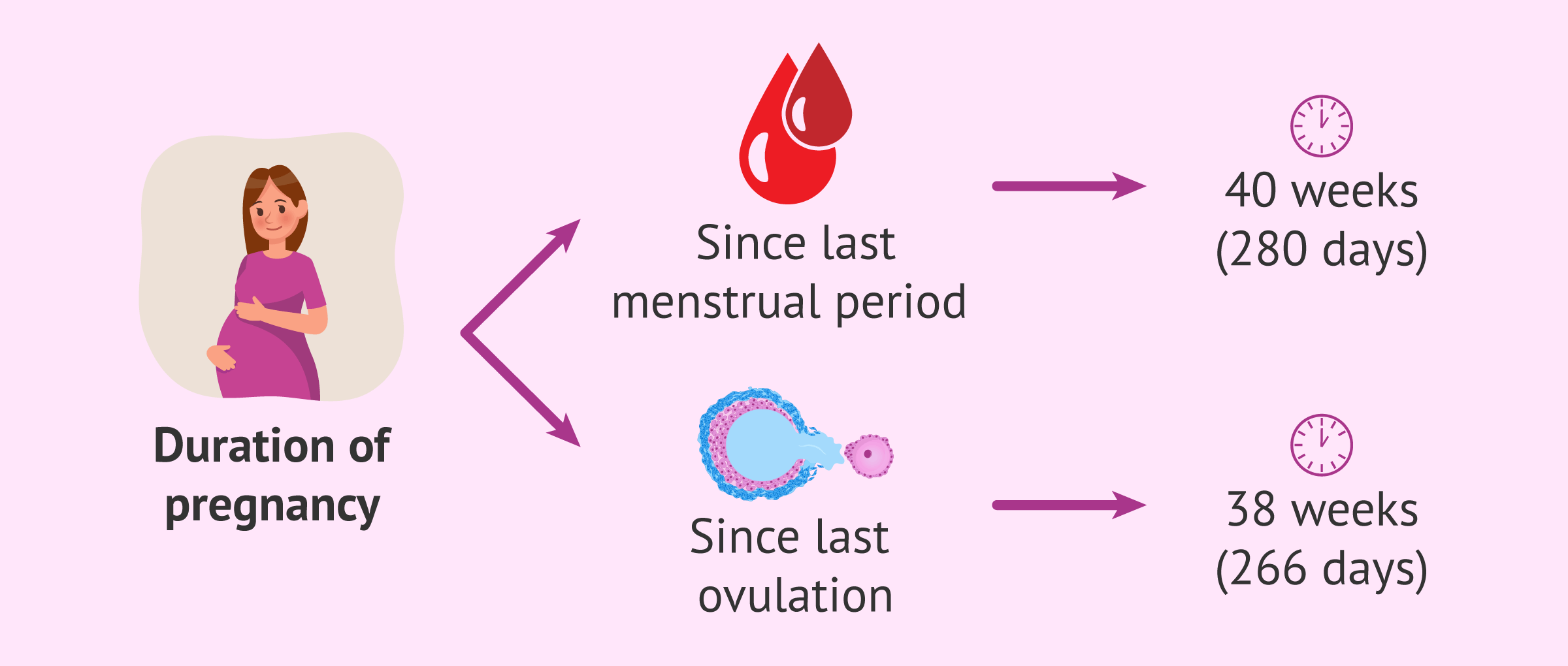
To understand how conception is estimated, you need to understand the menstrual cycle first. The cycle is typically divided into phases: follicular phase, ovulation, and luteal phase. Conception usually occurs around ovulation, when an egg is released and becomes available for fertilization.
A when did i get pregnant exactly calculator uses your last menstrual period and average cycle length to estimate ovulation timing. From there, it identifies the most likely fertile window.
Ovulation usually happens around day 14 in a 28-day cycle, but this is not fixed. Some people ovulate earlier, others later, depending on hormone levels and lifestyle factors. Once ovulation occurs, the egg survives for about 12–24 hours, while sperm can survive up to 5 days inside the reproductive tract.
This creates a fertility window rather than a single moment.
So instead of asking “What exact day did conception happen?”, the more scientifically accurate question becomes: “What is the most likely range of days when conception occurred?”
This is why tools like when did i get pregnant exactly calculator provide ranges rather than exact dates. They are based on probability, not certainty.
The Science Behind Conception Estimation
Conception is a biological event that depends on timing between sperm and egg. However, both elements have different lifespans, which makes pinpoint accuracy impossible.
When sperm enters the reproductive system, it can survive for several days waiting for ovulation. Once the egg is released, it must be fertilized within about a day. After fertilization, implantation takes place several days later, marking the beginning of pregnancy hormones.
A when did i get pregnant exactly calculator works by reversing this process. It starts from the last menstrual period and works forward to estimate ovulation and fertilization timing.
Biologically speaking, even if intercourse happened on a specific date, fertilization may occur days later depending on ovulation timing. This delay is one of the biggest reasons exact dating is difficult.
Understanding this helps reduce confusion and unrealistic expectations about precision.
Why Exact Conception Dates Are Rarely Known
One of the most important truths about pregnancy is that exact conception timing is almost never known with certainty unless medical procedures like IVF are involved.
Even when people track ovulation carefully, there are still variables such as:
- Slight shifts in ovulation timing
- Variation in sperm survival
- Delayed fertilization
- Late implantation
Because of these factors, even a when did i get pregnant exactly calculator can only provide an estimated range.
Key Insight
The human reproductive system is designed for flexibility, not precision timing.
This is why medical professionals also rely on ultrasound measurements rather than relying solely on cycle-based calculations.
How Digital Pregnancy Calculators Work
Modern pregnancy calculators are based on statistical averages derived from reproductive science. They take simple inputs and generate a likely conception window.
When you use a when did i get pregnant exactly calculator, the system typically processes:
- First day of last menstrual period
- Average cycle length
- Estimated ovulation day
- Fertile window range
From this data, the calculator estimates when fertilization most likely occurred.
However, these tools assume a “standard cycle,” which may not match every individual. That’s why results are best interpreted as guidance rather than exact medical confirmation.
In many cases, these calculators are most accurate for people with regular cycles and consistent ovulation patterns.
Understanding Fertility Windows in Real Life
Fertility is not limited to a single day. Instead, it spans multiple days around ovulation.
Sperm can survive for up to five days, while the egg remains viable for about one day. This creates a 5–6 day fertility window each cycle.
So even if intercourse happens days before ovulation, conception can still occur later.
This biological flexibility is why tools like when did i get pregnant exactly calculator must work with ranges rather than exact timestamps.
Understanding fertility windows helps people better interpret their reproductive health and plan pregnancy more effectively.
Comparison of Pregnancy Dating Methods
Different methods are used to estimate pregnancy timing, each with varying accuracy levels.
| Method | Accuracy | Description | Limitations |
|---|---|---|---|
| Last Menstrual Period (LMP) | Moderate | Uses cycle start date | Assumes regular cycles |
| Ovulation Tracking | High | Monitors fertile days | Requires consistent tracking |
| Ultrasound Dating | Very High | Measures fetal growth | Requires medical visit |
| Online Calculator | Moderate | Estimates based on inputs | Cannot confirm exact day |
Even the most widely used when did i get pregnant exactly calculator falls into the moderate accuracy category because it relies on assumptions rather than real-time biological tracking.
Ultrasound remains the gold standard for confirming pregnancy age.
Common Misunderstandings About Conception Timing
Many people misunderstand how pregnancy timing works, which leads to unrealistic expectations.
Some assume that conception occurs immediately after intercourse, but this is not always true. Fertilization depends on ovulation timing, not intercourse timing.
Others believe calculators can identify an exact day of conception, but biological variability makes this impossible.
Even a when did i get pregnant exactly calculator cannot override natural reproductive unpredictability.
Understanding this helps reduce anxiety and confusion during early pregnancy stages.
Why Accuracy Varies From Person to Person
Pregnancy timing accuracy depends heavily on cycle regularity and hormonal stability.
People with consistent 28-day cycles may get more precise estimates. However, those with irregular cycles may see broader ranges.
Stress, illness, diet, and sleep patterns can all influence ovulation timing, which directly impacts conception estimates.
Because of this variability, even advanced tools like when did i get pregnant exactly calculator should be used as supportive guides rather than definitive answers.
Example Pregnancy Timeline Table
Here is a simplified example of how conception timing is estimated:
| Event | Estimated Date | Explanation |
|---|---|---|
| Last Period Start | June 1 | Cycle begins |
| Ovulation | June 14 | Fertile egg released |
| Fertile Window | June 10–15 | Possible conception period |
| Conception | June 12–14 | Likely fertilization |
| Implantation | June 18–24 | Pregnancy begins hormonally |
This table shows why even a when did i get pregnant exactly calculator provides a range instead of a single date.
Common Errors When Using Pregnancy Calculators
Many users unintentionally reduce accuracy by inputting incorrect or estimated data.
One common mistake is guessing cycle length instead of tracking it accurately. Another is ignoring irregular ovulation patterns.
Some also assume every cycle is identical, which is rarely true.
Using a when did i get pregnant exactly calculator effectively requires accurate and consistent cycle tracking for the best possible results.
How to Improve Estimation Accuracy
Improving accuracy is possible if you combine multiple tracking methods.
Monitoring basal body temperature, ovulation kits, and cervical mucus patterns can significantly improve predictions.
When combined with digital tools, results become more reliable.
Even then, a when did i get pregnant exactly calculator should be viewed as one part of a broader fertility awareness system rather than a standalone solution.
When Medical Confirmation Becomes Important
While calculators are helpful for early estimates, medical confirmation is essential for accurate pregnancy dating.
Doctors use ultrasound scans to measure fetal development and determine gestational age more precisely.
If you are unsure about your pregnancy timeline or need accurate due date planning, medical consultation is the best option.
Frequently Asked Questions (FAQs)
Can a calculator tell me the exact day I got pregnant?
No, it can only estimate a likely window based on cycle and ovulation data.
How reliable is a pregnancy timing calculator?
It is moderately reliable for regular cycles but less accurate for irregular ones.
Why does the estimate change between tools?
Different tools use slightly different assumptions about ovulation timing and cycle length.
Can stress affect conception timing?
Yes, stress can delay ovulation, which shifts the estimated conception window.
Conclusion: What You Should Really Take Away
Understanding pregnancy timing is less about finding a single exact moment and more about interpreting biological patterns. While tools like a when did i get pregnant exactly calculator provide helpful estimates, they are not precise scientific instruments.
Instead, they offer a structured way to understand fertility timing, cycle behavior, and conception likelihood.
By combining cycle tracking, ovulation awareness, and medical confirmation, you can get a much clearer and more reliable picture of your pregnancy timeline.
The most important takeaway is simple: conception is a window of time influenced by biology—not a fixed date on a calendar.