
Gaining weight can seem simple because the basic principle is to consume more calories than the body uses. However, healthy weight gain requires more than simply eating larger portions or choosing high-calorie foods. The quality of those calories, your activity level, current body composition, age, lifestyle, and fitness goals all influence how much food your body actually needs. A calorie calculator can provide a practical starting point by estimating your daily energy requirements and helping you understand how much additional energy may be useful for gradual weight gain.
For someone struggling to gain weight, eating randomly throughout the day may not produce consistent results. You may feel that you are eating plenty, yet your weight remains unchanged because your total calorie intake may still be close to your body’s daily expenditure. Understanding your estimated calorie requirements makes it easier to create a structured eating routine. Instead of guessing how much to eat, you can establish a reasonable calorie target and gradually adjust it according to changes in body weight, strength, appetite, and overall progress.
Healthy weight gain should also focus on building and maintaining lean tissue rather than gaining excessive body fat. Combining a modest calorie surplus with sufficient protein, carbohydrates, healthy fats, resistance training, sleep, and adequate hydration can create a more balanced approach. The goal is not simply to make the number on the weighing scale increase, but to provide your body with enough nutrition and energy to support physical development and everyday performance.
Understanding How Calorie Needs Affect Weight Gain
Calories represent the energy your body receives from food and beverages. Your body continuously uses energy for essential functions such as breathing, circulation, digestion, maintaining body temperature, and supporting the nervous system. You also burn calories through walking, exercising, working, household activities, and other daily movements. When the energy consumed is consistently greater than the energy used, the body has an opportunity to store the excess energy, which can contribute to weight gain.
A calorie calculator estimates your energy requirements using information such as age, sex, height, weight, and activity level. The result is not a perfect measurement of your metabolism because individual energy expenditure can vary, but it can provide a useful baseline. For weight gain, the estimated maintenance requirement can be used as the starting point before adding a moderate calorie surplus.
For example, if your estimated maintenance intake is around 2,000 calories per day, immediately increasing your intake to 3,000 calories may be unnecessary. A smaller increase could be more comfortable and easier to maintain. The appropriate surplus depends on your body, goals, activity, appetite, and rate of progress. Tracking your results over several weeks is often more useful than relying on a single calculation.
How a Calorie Calculator Helps With Weight Gain
A calorie calculator is particularly useful for people who find it difficult to estimate their energy requirements. Someone who spends most of the day sitting may have very different calorie needs from someone who performs physical work or trains several times per week. Two people with the same body weight can therefore require noticeably different amounts of food.
When the objective is weight gain, the calculated maintenance level provides a reference point. You can then increase your intake gradually and observe how your body responds. If your weight remains unchanged for several weeks, your intake may need to increase slightly. If weight is increasing much faster than intended, reducing the surplus may be appropriate.
The important point is that calorie estimates should be treated as a guide rather than an absolute prescription. Your actual results provide valuable information. Regularly monitoring body weight under similar conditions, such as in the morning before eating, can help identify long-term trends while avoiding overreaction to normal daily fluctuations.
Creating a Healthy Calorie Surplus
A calorie surplus means consuming more energy than your body currently uses. For healthy weight gain, a moderate surplus is generally easier to manage than dramatically increasing food intake. A gradual approach can help minimize unnecessary fat gain while making the eating routine more comfortable.
Suppose a person maintains their current weight while consuming approximately 2,200 calories each day. Instead of suddenly adding hundreds and hundreds of calories, they could begin with a modest increase through an additional snack, larger portions, or nutrient-dense additions to existing meals. After monitoring progress for a few weeks, the person can decide whether further adjustment is necessary.
The quality of the surplus matters as well. A person could theoretically increase calories through highly processed foods, sugary drinks, and fried snacks, but that approach may provide insufficient protein, vitamins, minerals, and fiber. A better strategy combines energy-dense foods with nutrient-rich meals. This allows additional calories to contribute to overall nutrition rather than simply increasing energy intake.
Best Foods for Supporting Healthy Weight Gain
People who struggle to gain weight often become full quickly. For this reason, choosing foods that provide substantial nutrition without requiring enormous portions can make the process easier. Foods such as nuts, seeds, nut butters, whole grains, dairy products, eggs, legumes, avocado, rice, potatoes, oats, and healthy cooking oils can increase the energy content of meals.
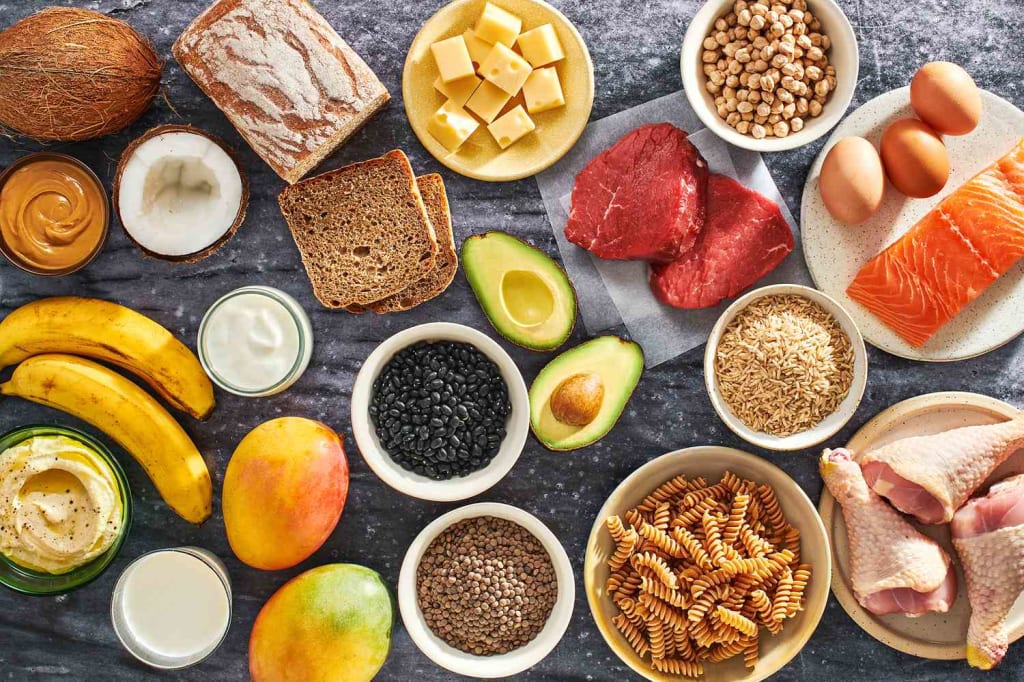
Protein deserves special attention because it supports muscle repair and development, particularly when weight gain is combined with resistance training. Eggs, milk, yogurt, cottage cheese, lentils, beans, soy foods, fish, poultry, and lean meats can all contribute protein to a balanced diet. The best choices depend on individual dietary preferences and requirements.
Carbohydrates are also valuable because they provide energy for workouts and daily activity. Rice, oats, potatoes, whole-grain breads, pasta, fruits, and other carbohydrate-rich foods can make it easier to increase energy intake. Healthy fats are particularly calorie-dense, meaning relatively small portions can contribute significant energy. Adding nuts, seeds, olive oil, nut butter, or avocado to meals can therefore be an effective strategy for people with low appetite.
Example Calorie and Nutrition Approach
The following table provides a general example of how calorie increases can be approached. These numbers are illustrative rather than personalized medical or dietary prescriptions.
| Goal | Example Daily Approach | Useful Food Choices |
|---|---|---|
| Maintain weight | Around estimated maintenance calories | Balanced meals with protein, carbohydrates, fats |
| Begin weight gain | Maintenance plus a modest surplus | Add a nutrient-dense snack or increase meal portions |
| Support training | Surplus with adequate protein and carbohydrates | Rice, oats, eggs, dairy, legumes, potatoes, lean proteins |
| Improve calorie density | Increase energy without huge portions | Nuts, seeds, nut butter, avocado, healthy oils |
| Monitor progress | Track intake and weight trends | Adjust portions gradually based on results |
The most effective approach is usually one that you can follow consistently. A meal plan that looks perfect on paper but leaves you uncomfortable or overly full may be difficult to maintain. Building calories into foods you already enjoy can make the process much more practical.
The Role of Protein in Weight Gain
Weight gain does not automatically mean muscle gain. If your goal is to develop a stronger and more muscular body, nutrition should be combined with appropriate resistance exercise. Protein provides amino acids needed for muscle repair and growth, making it an important part of a weight-gain diet.
Instead of concentrating all protein into one large meal, spreading protein-containing foods across the day can make meals easier to manage. Breakfast could include eggs, milk, yogurt, or another protein source. Lunch and dinner can include legumes, dairy, poultry, fish, soy foods, or other suitable options. Snacks can also contribute protein without requiring another large meal.
Protein should not replace carbohydrates and fats entirely. A balanced diet requires all major macronutrients. Carbohydrates can support training performance and replenish energy stores, while dietary fats provide concentrated energy and help support normal body functions.
Why Strength Training Can Improve Weight Gain Results
For people interested in gaining muscle, resistance training can change the way the body uses the additional energy provided by a calorie surplus. Exercises such as squats, presses, rows, lunges, pull movements, and other resistance exercises can provide a stimulus for muscle development.
Progressive training is important. As your strength and experience improve, gradually increasing resistance, repetitions, training volume, or exercise difficulty can encourage continued adaptation. Nutrition then provides the energy and nutrients needed to support recovery.
However, exercise should match your current fitness level. Someone new to resistance training does not need an extremely complicated program. Consistency, appropriate technique, recovery, and gradual progression are generally more valuable than performing a large number of exercises without a clear structure.
Using a Calorie Calculator More Effectively
The value of a calorie calculator comes from using its estimate as a starting point and then comparing it with real-world results. If the calculation suggests that your maintenance requirement is approximately 2,400 calories, you can establish an initial target for weight gain and monitor what happens over time.
Do not judge the plan based on one or two days of body-weight measurements. Body weight naturally changes because of hydration, food volume, sodium intake, carbohydrate storage, and other factors. Looking at trends over multiple weeks gives a clearer picture of whether your current calorie intake is producing the desired direction of change.
If your weight does not increase despite consistently following the plan, your calorie intake may need a gradual adjustment. On the other hand, if you are gaining weight substantially faster than intended, reducing the surplus may provide a more balanced approach. This process turns calorie tracking into an ongoing feedback system rather than a rigid rule.
Common Mistakes People Make When Trying to Gain Weight
One common mistake is relying heavily on fast food, sweets, sugary beverages, and highly processed snacks simply because they contain many calories. While these foods can contribute to total energy intake, making them the foundation of a weight-gain diet may reduce nutritional quality. A better approach is to use calorie-dense nutritious foods regularly and include less nutritious foods in moderation if desired.
Another mistake is skipping meals and trying to compensate with one enormous dinner. Large meals can be difficult for people with small appetites and may cause digestive discomfort. Eating more consistently throughout the day can make it easier to reach a calorie target.
People also sometimes underestimate liquid calories. Smoothies, milk-based drinks, yogurt drinks, and homemade shakes can provide considerable nutrition without requiring the same amount of chewing as a large solid meal. However, beverages should complement meals rather than completely replace a balanced diet.
Finally, expecting immediate results can lead to unnecessary changes. Healthy weight gain is a gradual process. Consistency over several weeks is generally more meaningful than making dramatic changes every few days.
Simple Strategies to Increase Daily Calories
When appetite is low, small additions can make a significant difference. Instead of dramatically increasing portion sizes, consider adding energy to meals you already eat. For example, oats can be prepared with milk and topped with nuts or nut butter. Rice can be combined with protein-rich foods and vegetables while using a moderate amount of healthy cooking oil. Yogurt can be paired with fruit, seeds, and other nutritious additions.
Two practical habits can make calorie intake easier:
- Add a nutrient-dense snack between major meals, especially when your appetite is better.
- Increase the energy content of existing meals instead of relying entirely on larger portions.
These strategies can make a weight-gain plan feel less overwhelming. The objective is to create an eating routine that fits naturally into your daily schedule rather than turning every meal into a challenge.
How Lifestyle and Sleep Influence Weight Gain
Food intake is only one part of healthy weight management. Sleep and recovery are especially important when the goal includes muscle development. During adequate rest, the body has time to recover from physical activity and support normal physiological processes.
Stress can also influence appetite and eating habits. Some people eat less when they are stressed, while others experience increased appetite. Creating regular meal times, staying hydrated, maintaining a consistent sleep routine, and managing daily stress can make it easier to follow a nutrition plan.
Daily activity matters too. A person may believe they are eating a large surplus while unintentionally burning many calories through physically demanding work, frequent walking, sports, or exercise. This is another reason calorie estimates should be combined with real-world monitoring.
When Weight Gain May Require Professional Guidance
Difficulty gaining weight is not always caused by simply eating too little. Persistent unexplained weight loss, digestive problems, major appetite changes, chronic fatigue, or other concerning symptoms can sometimes indicate an underlying issue. In such situations, increasing calories without understanding the cause may not be the best approach.
A qualified doctor or registered dietitian can assess individual circumstances and help create an appropriate nutrition strategy. This is particularly important for people with medical conditions, food allergies, significant digestive symptoms, or special dietary requirements.
For healthy adults without concerning symptoms, a gradual calorie surplus, balanced nutrition, resistance training, and consistent monitoring can provide a practical foundation. Individual calorie requirements still vary considerably, so personalization remains important.
Conclusion
Healthy weight gain is most effective when it is approached as a gradual nutrition and lifestyle process rather than simply trying to eat as much as possible. A calorie calculator can help establish an estimated starting point by showing how much energy your body may require each day. From there, creating a modest calorie surplus and choosing nutritious foods can support steady progress. The most useful strategy is to combine sufficient calories with quality protein, carbohydrates, healthy fats, resistance training, sleep, and regular monitoring. If your weight is not changing, your intake can be adjusted gradually. If progress is happening too quickly, the surplus can be reduced. This flexible approach recognizes that calorie requirements are different for every individual.