
Knowing your exact age may seem simple, but calculating it accurately can become confusing when months, days, leap years, and different date formats are involved. Whether you need your age for a school admission form, a job application, an official document, or personal planning, even a small calculation error can create unnecessary problems. Digital tools have made this process easier by allowing people to enter their birth date and receive an accurate age calculation within seconds.
An age calculator app provides a convenient way to determine how many years, months, and days have passed since a person’s birth. Instead of counting calendar months manually or estimating the number of days between two dates, users can rely on an automated calculation. Many modern applications also include birthday reminders, age difference calculations, and date-related features that make everyday planning more convenient.
As smartphones become an essential part of daily life, people increasingly expect simple digital tools to provide quick and reliable answers. An age calculator fits this need because it is easy to understand and useful for students, working professionals, parents, and anyone who wants to keep track of personal milestones. Understanding how these applications work, which features matter, and how to choose a suitable option can help users get more value from this everyday technology.
What Is an Age Calculator App?
An age calculator app is a digital application designed to calculate a person’s age using their date of birth and a selected reference date. In most cases, users enter their birth day, month, and year, and the application automatically determines the elapsed time. The result commonly includes age in years, months, and days, although some tools also display the total number of days, weeks, or months a person has lived.
For example, someone born on March 12, 2000, can use a calculator to determine their age on a particular date in 2026. The result depends on the exact reference date, so the person may be 26 years old while having a different number of completed months and days depending on the current day. This level of detail can be useful when approximate age calculations are not sufficient.
Unlike manual calculations, digital calculators process dates automatically and reduce the chance of basic arithmetic mistakes. However, the quality of the result depends on correct date entry and the application’s calculation method. Users should always check that the selected birth date and reference date are accurate before relying on the displayed result.
How Does an Age Calculator Work?
The calculation process begins when a user enters a date of birth. The application compares that date with the current date or another date selected by the user. It then calculates the difference between the two dates and presents the result in a readable format. Most basic calculators use the Gregorian calendar, which is the standard calendar used in many countries for everyday administrative and personal purposes.
Calculating age involves more than subtracting the birth year from the current year. If a person’s birthday has not yet occurred during the current calendar year, their completed age is one year lower than the simple difference between the years. Months and days also require careful handling because months have different lengths. February, for instance, can have 28 or 29 days, while other months have 30 or 31 days.
A reliable age calculator app handles these details automatically, making the process convenient for users who do not want to perform calculations themselves. Some applications also allow users to select a past or future reference date. This feature makes it possible to calculate how old someone was on a particular historical date or determine their age on an upcoming occasion.
Key Features to Look for in an Age Calculator
The most useful calculators focus on accuracy, simplicity, and a clear presentation of results. While basic applications may only provide an age in years, more advanced options can include several additional features that support everyday planning.
Exact Age Calculation
An exact age feature displays completed years along with the remaining months and days. This is more informative than a result showing only the number of years. For example, two people who are both 25 years old may have noticeably different ages when their remaining months and days are considered.
Birthday Reminders and Date Tracking
Some applications provide birthday countdowns that show how many days remain until a person’s next birthday. This can help users plan celebrations, prepare gifts, and remember important family dates. Reminder features may require notification permissions or access to saved dates, so users should review those settings before enabling them.
Age Difference Calculator
An age difference feature compares two birth dates and identifies the time separating them. Parents may use it to understand the age gap between their children, while individuals might use it to compare their ages with friends or relatives. The result can be expressed in years, months, and days, depending on the application’s capabilities.
Multiple Date Formats
A calculator that supports different date formats can reduce confusion when entering birth information. For example, day-month-year and month-day-year formats can produce different interpretations of the same numerical date. A clear date selector or calendar interface helps prevent these errors.
Benefits of Using a Digital Age Calculator
The primary advantage of digital age calculation is convenience. Instead of counting birthdays or working through a calendar manually, users can obtain a result almost instantly. This is particularly useful when completing forms, checking eligibility requirements, preparing records, or comparing dates for personal planning. The ability to calculate age in several units also provides more detailed information than a simple year-based estimate.
Another benefit is consistency. Manual calculations can become confusing when a birthday falls near the end of a month or when February includes an additional day. An application designed to account for calendar differences can handle these situations more consistently than an informal calculation. Nevertheless, users should remember that different applications may use different conventions for certain date calculations, especially when converting a date difference into months and days.
A well-designed age calculator app can also help people organize important milestones. Parents can track their children’s ages, families can prepare for significant birthdays, and individuals can check the time between important life events. These benefits are practical rather than complicated, which explains why simple date utilities remain useful even as mobile applications become more sophisticated.
Common Uses of Age Calculation Tools
Age calculators are useful in several personal, educational, and professional situations. Students may need to confirm their age when reviewing school or examination eligibility conditions. Job applicants may use a calculator to check their age against a stated recruitment requirement, while parents may use it when completing school admission forms. In each case, the calculator provides a quick reference, but the official eligibility rules remain the deciding factor.
Families also use age calculations for birthday planning, tracking children’s development milestones, and understanding the age difference between relatives. People preparing for travel, insurance applications, or administrative procedures may need to confirm age-related details before submitting documents. Because these situations can involve formal requirements, it is important to distinguish a general calculator result from an official determination of eligibility.
For everyday situations, an age calculator app can also answer simple questions, such as how many days remain until a birthday or how old someone was during a past event. The ability to calculate age against a selected date makes these tools useful beyond checking a person’s current age.
Understanding Age Calculation Methods
Different age calculation methods can produce results that appear similar but serve different purposes. Understanding the distinctions can help users interpret their results correctly.
| Calculation method | What it shows | Common use |
|---|---|---|
| Age in completed years | Number of full years since birth | General age checks |
| Age in years, months, and days | Detailed calendar-based age | Personal records and date comparisons |
| Total days lived | Number of elapsed days between dates | Personal curiosity and milestone tracking |
| Age on a selected date | Age at a past or future reference date | Historical checks and future planning |
| Age difference | Time between two birth dates | Family and personal comparisons |
The first method is usually sufficient for everyday conversations, while detailed calculations can be helpful when a more precise age is required. Total days lived is a different measurement from calendar age because a year does not always contain the same number of days. Similarly, converting a number of days into months does not produce a universally consistent result because calendar months have varying lengths.
For official purposes, users should follow the calculation method specified by the relevant organization. Some institutions use a particular cutoff date, while others have specific rules for determining completed age. A general-purpose calculator cannot replace those requirements.
How to Choose the Right Age Calculator App
Choosing a suitable application begins with identifying what you actually need. If your only goal is to calculate your current age, a basic calculator with a clear date selector may be enough. If you regularly track birthdays or compare multiple dates, an application with reminders, saved profiles, and reference-date calculations may offer additional convenience. Extra features are useful only when they solve a real problem rather than making the interface unnecessarily complicated.
Accuracy should be a priority. Look for an application that clearly displays the birth date and reference date used in the calculation. The results should be easy to read, and the application should handle leap years and different month lengths appropriately. A clean interface is particularly important for people who want quick answers without navigating several menus.
Privacy is another important consideration. Birth dates are personal information, and some applications may offer to store profiles or synchronize details across devices. Before saving information, check whether the application explains how personal data is stored and used. If you only need a one-time calculation, choosing a tool that works without an account or unnecessary permissions may be more appropriate.
Consider these practical checks when evaluating an application:
- Confirm that it calculates years, months, and days accurately.
- Check whether it supports reference dates and age comparisons.
- Review its privacy settings and requested permissions.
- Look for a simple interface without unnecessary advertisements or confusing features.
Online Calculators Versus Mobile Applications
Online calculators and installed mobile applications both provide convenient ways to calculate age, but they suit different preferences. A browser-based calculator can be useful when someone needs a quick answer without installing additional software. It may be especially convenient on a shared computer or when storage space on a phone is limited. However, an online tool generally requires an internet connection unless its functionality has been designed to work offline.
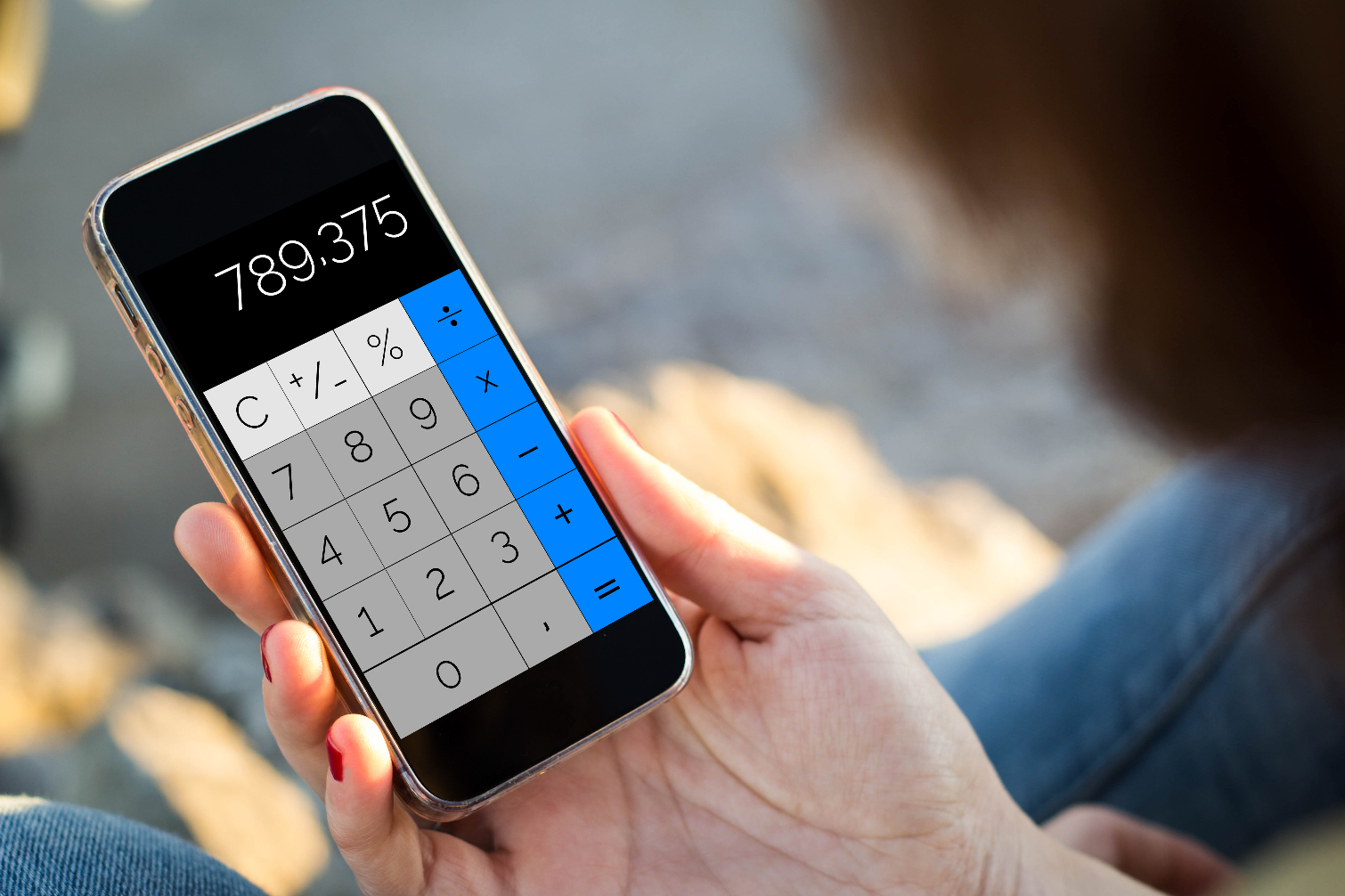
Mobile applications can offer a more consistent experience for users who frequently calculate ages or manage birthday reminders. Depending on the application, they may support saved dates, notifications, offline access, and personalized settings. These features can reduce repetitive data entry, although they may also introduce additional privacy considerations if personal information is stored.
An age calculator app installed on a smartphone may be the more convenient option for frequent use, while an online calculator can be sufficient for occasional calculations. Neither format is automatically more accurate than the other. The important factors are the calculation method, the clarity of the interface, and the way personal information is handled.
Common Mistakes to Avoid When Calculating Age
One of the most frequent mistakes is subtracting the birth year from the current year without checking whether the birthday has already occurred. This approach can produce an age that is one year too high. Another common problem is entering dates in the wrong format. A birth date written as 04/05/2001 could represent April 5 or May 4, depending on the format being used.
Users should also avoid confusing total days with calendar months. A calculation that reports 90 days does not necessarily mean exactly three calendar months have passed. Calendar months differ in length, so the relationship between days and months changes depending on the dates involved. Leap years can introduce additional differences, particularly when a date calculation includes February.
Finally, users should not assume that a general age result automatically establishes legal or administrative eligibility. Recruitment, education, insurance, and other formal processes may follow specific rules about cutoff dates and age determination. Checking the applicable requirements is essential whenever a calculation affects an official decision.
The Future of Age Calculation Technology
Digital calculators are likely to remain useful because they solve simple problems quickly and with minimal effort. As mobile software continues to develop, age-related tools may become more closely integrated with calendar systems, personal reminders, and digital planning applications. Users may be able to manage birthdays, anniversaries, and important milestones from a single interface rather than switching between separate tools.
Improved privacy controls and clearer permission settings will also remain important. People increasingly expect applications to explain why information is needed and give them control over what is saved. For a basic calculation, users should not have to provide more personal information than necessary. Simple interfaces, transparent data practices, and reliable date handling can make these tools more trustworthy.
Even as new features become available, the fundamental purpose of an age calculator will remain the same: transforming two dates into an understandable measurement of time. The most successful tools will likely be those that combine accurate calculations with a straightforward experience instead of adding complexity for its own sake.
Conclusion
Calculating age accurately is useful for everyday planning, personal milestones, educational requirements, and many administrative tasks. Digital tools make this process faster by handling differences between years, months, days, and leap years without requiring users to perform manual calculations. Additional features such as birthday reminders, reference-date calculations, and age comparisons can make these tools even more practical. Selecting the right age calculator app depends on individual needs. Some people require only a quick age check, while others benefit from detailed date calculations and reminder features. In either case, accuracy, ease of use, and privacy should guide the decision. Users should also verify official requirements whenever age affects eligibility or documentation.