
Introduction to Menstrual Timing and Pregnancy Chances
Understanding your menstrual cycle is one of the most important steps when it comes to reproductive awareness. Many people rely on tools like the how many days after my period can i get pregnant calculator to estimate fertile days and improve their chances of either planning or preventing pregnancy. But to truly understand what those results mean, it’s important to know how your body actually works.
Your menstrual cycle is not just about your period days. It is a complete hormonal rhythm that prepares your body for possible pregnancy every month. Ovulation, fertility windows, and hormone fluctuations all play a role in determining when conception can happen. That is why relying only on assumptions can sometimes be misleading.
In this guide, you will learn how timing works, what influences fertility, and how to interpret digital predictions in a more accurate and realistic way.
How Fertility Prediction Tools Actually Work
The how many days after my period can i get pregnant calculator is designed to estimate ovulation based on cycle length and period history. It uses mathematical averages to identify your most fertile days.
At its core, the calculator assumes that ovulation occurs about 14 days before your next period. However, this is only an average. In reality, ovulation can shift depending on stress, health, hormones, and lifestyle.
The tool then creates a “fertile window,” which usually includes:
- 5 days before ovulation
- The day of ovulation
- 1 day after ovulation
This window is important because sperm can survive inside the female reproductive system for several days, increasing the chances of conception even if intercourse does not happen exactly on ovulation day.
When Pregnancy Can Actually Happen After Your Period
Many people believe pregnancy is impossible immediately after menstruation, but that is not always true. Depending on your cycle length, ovulation may occur earlier than expected.
For example, if you have a short cycle of 21–24 days, ovulation may occur just a few days after your period ends. In this case, sperm from intercourse during or just after menstruation can still fertilize an egg.
This is why understanding timing is so important and why tools like the how many days after my period can i get pregnant calculator are widely used for better awareness of fertility patterns.
Even in longer cycles, sperm survival time means pregnancy can still occur earlier than expected under certain conditions.
How Ovulation Timing Changes Your Fertile Window
Ovulation is the most important event in the menstrual cycle when it comes to pregnancy. It is the moment when a mature egg is released and is ready for fertilization.
In a typical 28-day cycle, ovulation happens around day 14. However, this is not fixed. It can shift earlier or later depending on the individual.
The fertile window is not just one day—it is a combination of days when sperm and egg survival overlap. That is why timing intercourse even a few days before ovulation can result in pregnancy.
Understanding this helps you interpret the results of the how many days after my period can i get pregnant calculator more realistically instead of treating it as an exact prediction tool.
Fertility Cycle Comparison Table
Below is a simple breakdown of how cycle length affects fertility timing:
| Cycle Length | Estimated Ovulation | Fertile Window | Pregnancy Chance After Period |
|---|---|---|---|
| 21 days | Day 7 | Days 2–8 | High |
| 24 days | Day 10 | Days 5–11 | Medium-High |
| 28 days | Day 14 | Days 9–15 | Medium |
| 30 days | Day 16 | Days 11–17 | Lower |
| 35 days | Day 21 | Days 16–22 | Low |
This table shows how pregnancy chances vary depending on how soon ovulation occurs after your period.
Why Your Body Doesn’t Follow a Fixed Schedule
One of the biggest misconceptions about fertility is that the cycle is always predictable. In reality, the human body is influenced by many internal and external factors.
Stress, sleep quality, diet, exercise, and even travel can shift ovulation. This means that even if a calculator gives an estimate, your real fertile window may be slightly different.
This is why many health professionals suggest combining digital tools with physical signs of ovulation such as cervical mucus changes and body temperature shifts.
Common Signs That Indicate Ovulation
Your body naturally gives signals when ovulation is near. These signs include changes in cervical mucus, which becomes clearer and more slippery, and a slight increase in basal body temperature after ovulation.
Some people also notice mild abdominal discomfort or increased sensitivity. These natural indicators help confirm predictions made by tools like the how many days after my period can i get pregnant calculator.
Tracking these signs over time can significantly improve your understanding of your cycle.
Myths About Fertility After Periods
There are several myths surrounding pregnancy timing that often lead to confusion.
One common myth is that pregnancy cannot happen immediately after a period. While the chances may be lower, it is still possible depending on cycle length and sperm survival.
Another myth is that ovulation always happens on day 14. This is not true for everyone. Every individual has a unique cycle influenced by hormones and lifestyle.
Clearing these misconceptions helps you better interpret fertility predictions and avoid misunderstandings.
How Reliable Are Fertility Calculators?
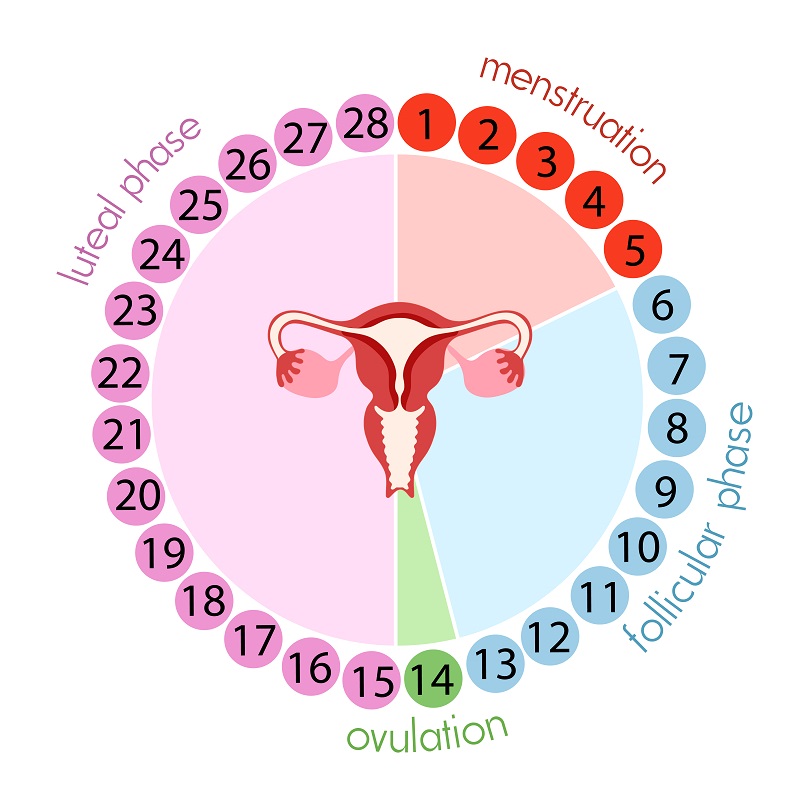
The how many days after my period can i get pregnant calculator is helpful, but it is not perfect. It provides estimates based on average cycle patterns, not exact biological measurements.
For women with regular cycles, accuracy can be relatively high. However, for irregular cycles, predictions may be less reliable.
This is why experts recommend combining multiple tracking methods such as ovulation kits, basal body temperature monitoring, and symptom tracking for better accuracy.
Factors That Influence Pregnancy Chances
Several biological and lifestyle factors affect fertility:
Hormonal balance plays a major role in determining when ovulation occurs. Any imbalance can shift the cycle and change fertility timing.
Age is another important factor. Fertility naturally declines with age, especially after the mid-30s.
Health conditions like PCOS or thyroid disorders can also affect ovulation consistency, making prediction more difficult.
Understanding these factors helps you interpret fertility tools more realistically.
How to Use Fertility Tracking More Effectively
To get the most accurate understanding of your cycle, it is important to track consistently over time. Recording your period start and end dates helps identify patterns.
Combining digital tools with physical observations increases accuracy significantly. Many people find that this hybrid approach provides a clearer picture than relying on one method alone.
When used correctly, insights from the how many days after my period can i get pregnant calculator can become more meaningful and practical.
Why Timing Matters for Conception Planning
Timing is everything when it comes to conception. Since the egg only survives for a short period, identifying your fertile window is crucial.
Even a difference of one or two days can influence pregnancy chances significantly. That is why understanding your cycle is more important than guessing or relying on assumptions.
This awareness allows better planning whether you are trying to conceive or avoid pregnancy.
How Lifestyle Impacts Fertility Patterns
Lifestyle choices play a major role in reproductive health. Poor sleep, high stress levels, and unhealthy eating habits can disrupt hormone balance.
On the other hand, regular exercise, a balanced diet, and stress management can help maintain a more regular cycle.
These improvements not only support overall health but also make fertility predictions more accurate and consistent.
Frequently Asked Questions (FAQs)
Can I get pregnant immediately after my period?
Yes, it is possible depending on your cycle length and ovulation timing. Sperm survival makes early conception possible.
Is the calculator always accurate?
No, it provides estimates based on averages. Individual cycle variations can affect accuracy.
How soon after my period does ovulation happen?
It can happen as early as 7 days after menstruation in short cycles, but it varies for each person.
Does stress affect fertility timing?
Yes, stress can delay or shift ovulation, changing your fertile window.
Why do I need to track my cycle regularly?
Consistent tracking improves understanding of patterns and increases prediction accuracy over time.
Is the how many days after my period can i get pregnant calculator useful for irregular cycles?
It can help, but results may be less accurate compared to regular cycles. Additional tracking methods are recommended.
Fertility is not a fixed schedule. It is a dynamic biological process influenced by hormones, lifestyle, and individual health patterns. Understanding this helps improve prediction accuracy.
Conclusion: Understanding Your Cycle Gives You Control
Learning how your menstrual cycle works is the first step toward better reproductive awareness. While tools like the how many days after my period can i get pregnant calculator are helpful, they should be used as guides rather than absolute answers.
Your body does not follow a strict calendar. Ovulation can shift, sperm can survive for days, and fertility windows can vary from month to month. That is why combining digital tools with natural body awareness gives the best results.
By tracking consistently, observing physical signs, and understanding timing patterns, you gain more control over your reproductive health. Whether you are planning a pregnancy or avoiding one, knowledge is your most powerful tool.