
Introduction
A calculator is one of the most useful tools that helps people perform mathematical operations quickly and accurately. From simple addition and subtraction to complex financial and scientific calculations, it has become an important part of everyday life. Students, professionals, business owners, engineers, and researchers use different types of calculators according to their requirements. Earlier, people depended on manual calculations, which required more time and effort, but modern technology has made calculations much easier and faster.
Today, calculators are available in various forms, including basic, scientific, financial, and online versions. These tools reduce the chances of mistakes and improve productivity. Whether someone wants to calculate expenses, solve mathematical problems, plan investments, or complete academic tasks, a calculator provides a simple solution. Its easy operation and accuracy make it an essential tool for different fields.
History and Development of Calculators
The development of calculation tools has a long history. Ancient civilizations used counting methods, stones, and manual techniques to solve numerical problems. Later, mechanical devices were created to perform calculations more efficiently. These early inventions created the foundation for modern electronic calculators.
The first electronic calculators were large machines that were mainly used by scientists and organizations. With advancements in technology, calculators became smaller, faster, and affordable for common users. Pocket calculators became popular because they allowed people to perform calculations anywhere.
Modern calculators now include advanced features such as percentage calculation, square roots, trigonometric functions, currency conversion, and statistical analysis. The evolution of these tools shows how technology has simplified mathematical processes and improved accuracy in different areas.
Different Types of Calculator
There are many types of calculators available today, and each type is designed for specific purposes. A basic calculator is commonly used for everyday mathematical operations such as addition, subtraction, multiplication, and division. It is useful for household budgeting, shopping calculations, and simple office work.
Scientific calculators are designed for students and professionals who need advanced mathematical functions. They can solve problems related to algebra, geometry, physics, and engineering. Financial calculators help users manage money-related calculations, including loans, interest rates, investments, and savings plans.
The following table explains some common types and their uses:
| Type of Calculator | Main Uses | Common Users |
|---|---|---|
| Basic Calculator | Addition, subtraction, multiplication, division | General users |
| Scientific Calculator | Advanced mathematical functions | Students and engineers |
| Financial Calculator | Loans, interest, investments | Business professionals |
| Graphing Calculator | Graphs and complex equations | Researchers and advanced students |
| Online Calculator | Quick calculations through digital platforms | Everyone |
Importance of Calculator in Education
Education is one of the major areas where calculators play an important role. Students use them to understand mathematical concepts, verify answers, and complete complex problems. Although learning basic calculations is important, calculators help students focus more on problem-solving techniques rather than spending excessive time on manual calculations.
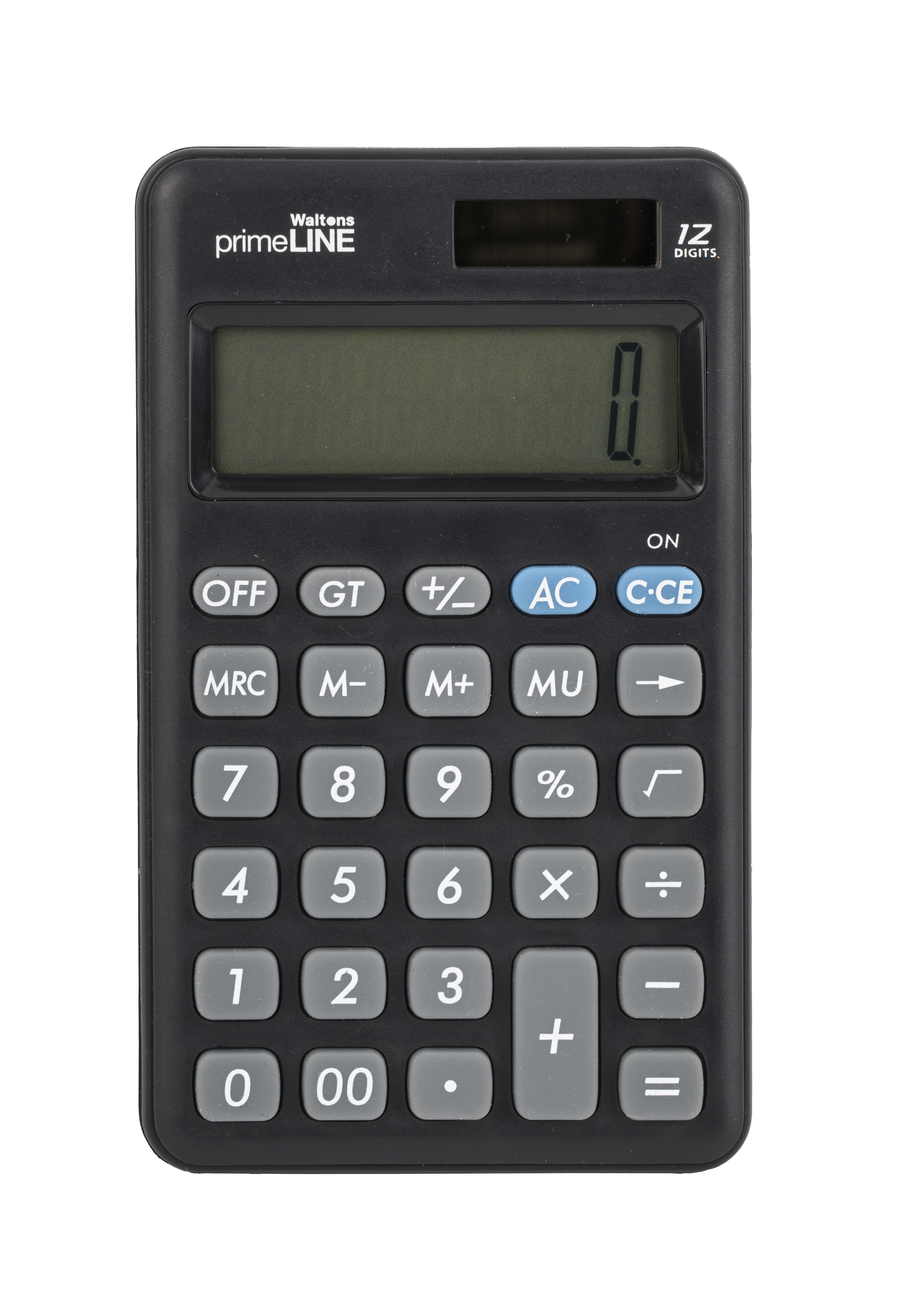 In subjects like mathematics, physics, chemistry, and statistics, advanced calculators help students perform difficult calculations with accuracy. They are especially useful for higher education where complex formulas and numerical analysis are required.
Teachers also use calculators as learning tools to demonstrate mathematical concepts. When used correctly, they improve understanding and help students develop confidence in solving problems. A calculator does not replace learning but supports students by making calculations easier and more efficient.
Role of Calculator in Daily Life
Calculations are part of everyday activities, from managing personal expenses to planning future goals. People regularly need quick solutions for shopping bills, monthly budgets, discounts, taxes, and savings. A calculator makes these tasks easier and reduces the possibility of calculation errors.
For example, when purchasing products, users can quickly calculate discounts and compare prices. Families can track their income and expenses more effectively by using simple calculation tools. Small businesses also depend on calculators for managing sales, profits, and daily transactions.
Some common daily uses include:
- Calculating household budgets and expenses.
- Finding discounts, percentages, and payment amounts.
Because of its convenience, a calculator has become a practical tool that supports better decision-making in personal and professional activities.
Calculator Usage in Business and Finance
Businesses handle numbers every day, making accurate calculations essential for success. Companies use calculators for preparing invoices, calculating profits, analyzing costs, and managing financial records. Even small business owners depend on calculation tools to understand their income and expenses. Financial planning requires accurate calculations of interest rates, investments, taxes, and loan payments. Financial calculators provide specialized functions that help professionals make better decisions. Banks, accountants, and investors use these tools to evaluate different financial situations.
In business environments, saving time is important. Instead of manually solving complex calculations, professionals can quickly obtain accurate results. This improves efficiency and allows them to focus on important planning and management activities.
Online Calculator and Digital Technology
With the growth of digital technology, online calculators have become increasingly popular. These digital tools allow users to perform calculations directly through computers, smartphones, and other devices. They are convenient because users do not need to carry a physical device. Online versions are available for different purposes, including age calculation, loan estimation, health measurements, percentage calculation, and many other tasks.
Their simple interfaces make them accessible to people with different levels of technical knowledge.The popularity of digital calculators has increased because they provide quick results and can be used anytime. Many people prefer these tools because they combine speed, convenience, and accuracy in a single platform.
Benefits of Using Calculator
A calculator provides several benefits that make numerical tasks easier. The biggest advantage is accuracy, as it reduces human errors during calculations. It also saves time, especially when dealing with large numbers or complex mathematical operations.
Another important benefit is convenience. Users can complete calculations within seconds without requiring extensive manual work. This makes calculators valuable for students, professionals, and general users.
Some major benefits include:
- Faster problem-solving and improved calculation accuracy.
- Support for complex mathematical and financial operations.
These advantages explain why calculators continue to be widely used despite advancements in other digital technologies.
Features of Modern Calculator Tools
Modern calculators include many features that improve user experience. Basic models focus on simple operations, while advanced models provide multiple functions for professional requirements. Common features include percentage calculation, memory storage, decimal conversion, equation solving, and graphical representation. Some digital calculators also provide step-by-step solutions that help users understand the calculation process.
The development of smart calculation tools has made numerical analysis more accessible. Users can select a calculator based on their needs, whether they require simple calculations or advanced mathematical support.
How to Choose the Right Calculator
Selecting the right calculator depends on the user’s purpose. Students studying advanced mathematics may need scientific models, while people managing household expenses may only require basic options. Before choosing a calculator, users should consider the required functions, ease of use, accuracy, and purpose. Professionals should select specialized tools that match their work requirements.
A good calculator should be reliable, easy to operate, and capable of handling the type of calculations needed. Choosing the correct option helps users save time and improve productivity.
Future of Calculator Technology
The future of calculation tools will continue to develop with technological improvements. Modern devices are becoming smarter, faster, and more connected. Future calculators may include more advanced features that make calculations even simpler. Digital integration will likely increase the use of online and mobile-based calculation tools. Users will continue to depend on calculators for education, business, finance, and personal activities.
Even with advanced technology, the basic purpose of a calculator will remain the same: providing accurate and quick solutions for numerical problems.
Conclusion
A calculator is a valuable tool that has transformed the way people perform mathematical tasks. From basic everyday calculations to advanced scientific and financial analysis, it provides accuracy, speed, and convenience. Different types of calculators serve different purposes, making them useful for students, professionals, businesses, and general users.
The continued development of technology has expanded the capabilities of calculators, allowing people to solve complex problems more easily. Whether used for education, financial planning, or daily activities, a calculator remains an essential tool that helps improve efficiency and decision-making. Its simplicity and usefulness ensure that it will continue to play an important role in the modern world.