
Understanding whether your body weight is within a generally healthy range can be useful when building better lifestyle habits. Weight alone does not tell the complete story because two people with the same weight can have very different heights, body compositions, and health profiles. This is where a bmi calculator can provide a simple starting point. By using your height and weight, it estimates your Body Mass Index, commonly known as BMI.
BMI is a widely used screening measurement rather than a complete diagnosis of health. It can help adults identify whether their weight falls within an established range for their height and encourage them to look more closely at other factors such as physical activity, nutrition, waist circumference, sleep, and overall health. Because of this, BMI is most useful when interpreted as part of a broader picture rather than treated as a final judgment about an individual’s health.
A bmi calculator is particularly convenient because it performs the calculation automatically. Instead of manually converting measurements and applying a mathematical formula, you can enter your height and weight and receive an estimated BMI value within seconds. Understanding what that number means is just as important as calculating it.
What Is BMI and Why Is It Used?
Body Mass Index is a numerical measurement based on a person’s weight in relation to height. For adults, BMI is calculated by dividing weight in kilograms by height in metres squared. For example, an adult weighing 70 kilograms and measuring 1.75 metres tall would have a BMI of approximately 22.9. The calculation provides a standardized way to classify body weight across large populations.
The main purpose of BMI is screening. Health professionals and researchers can use it to identify broad patterns associated with underweight, healthy weight, overweight, and obesity. These categories can be useful because having a higher or lower body weight than generally recommended may be associated with certain health risks. However, BMI does not directly measure body fat, muscle mass, bone density, or where fat is stored in the body.
A bmi calculator therefore should be viewed as a starting point. A result outside the commonly used healthy range does not automatically mean that a person is unhealthy, just as a result within the range does not guarantee good health. Lifestyle, medical history, age, body composition, and other measurements can provide important additional information.
How Does a BMI Calculator Work?
The calculation behind a bmi calculator is relatively straightforward. When using metric measurements, BMI is calculated as weight in kilograms divided by height in metres squared. If height is provided in centimetres, it needs to be converted into metres before applying the formula. For people using pounds and inches, a different version of the formula is used to produce the same type of measurement.
For example, consider an adult who weighs 80 kilograms and is 1.80 metres tall. The calculation is 80 divided by 1.80 multiplied by 1.80, producing a BMI of approximately 24.7. This number can then be compared with standard adult BMI categories. The calculation itself is simple, but entering accurate height and weight is important because even small measurement errors can change the result.
Modern online calculators make the process easier by handling the mathematical work automatically. Users generally only need to enter their weight and height. Some tools may also ask whether the measurements are in kilograms and centimetres or pounds and inches. Selecting the correct units is essential for obtaining a meaningful result.
Adult BMI Categories Explained
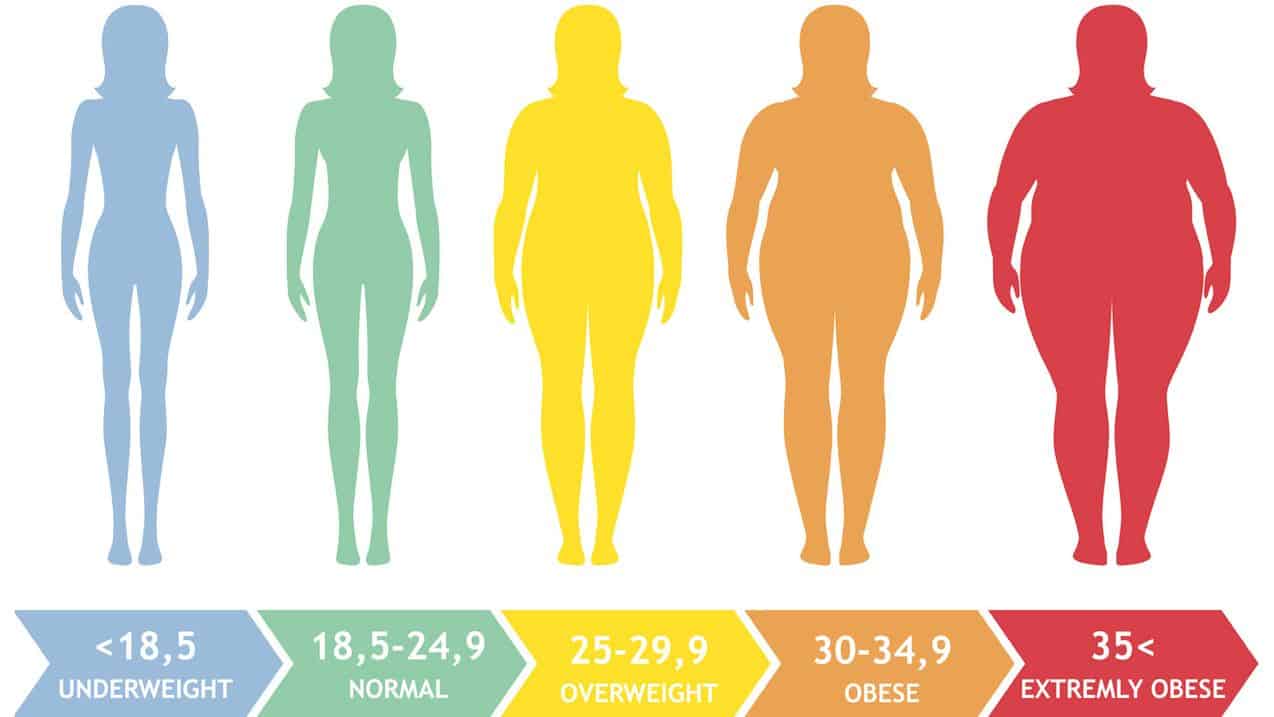
For adults, commonly used BMI categories divide results into broad ranges. These categories are designed for screening and population-level assessment rather than providing a complete individual health diagnosis.
| BMI Range | Common Adult Category |
|---|---|
| Below 18.5 | Underweight |
| 18.5–24.9 | Healthy weight |
| 25.0–29.9 | Overweight |
| 30.0 or higher | Obesity |
These ranges are commonly used for adults, but they should not be interpreted without context. BMI does not distinguish between muscle and fat. A person with significant muscle mass may have a relatively high BMI while carrying little excess body fat. Similarly, an older adult can have a BMI within a standard range while still experiencing changes in muscle mass or body composition that BMI does not capture.
A bmi calculator can help place a number into one of these broad categories, but the category should not be treated as a personal health diagnosis. If a result causes concern, discussing it with a qualified healthcare professional can provide more useful context.
Why Height and Weight Matter in BMI
BMI accounts for height because the same body weight can have different implications depending on a person’s stature. For example, 70 kilograms represents a different weight-to-height relationship for someone who is 1.50 metres tall compared with someone who is 1.85 metres tall. The BMI formula attempts to standardize this relationship.
Weight itself can also change for many reasons. Changes in muscle, body fat, water retention, food intake, and other factors can affect the number shown on a scale. This means a single measurement may not always represent a person’s usual body weight. Taking measurements consistently under similar conditions can make changes easier to understand.
When using a bmi calculator, it is therefore helpful to focus on the broader trend rather than becoming overly concerned about a small difference in the final number. A gradual change in body weight alongside improvements in physical activity, nutrition, strength, sleep, and daily habits may provide more useful information than BMI alone.
What BMI Does Not Tell You
One of the biggest limitations of BMI is that it cannot determine how much of a person’s weight comes from fat or muscle. Muscle is denser than fat, so an athletic person can have a higher BMI without having a high level of body fat. BMI also does not show where fat is located, even though fat stored around the abdomen can be particularly relevant to metabolic health.
BMI also does not directly account for factors such as blood pressure, cholesterol, blood glucose, fitness level, diet quality, or family medical history. Two people with identical BMI values can have very different health profiles because of differences in these factors.
For children and teenagers, BMI must be interpreted differently because bodies are still growing and body composition changes with age and development. Adult BMI categories should not simply be applied to younger people. Pregnancy is another situation where standard BMI interpretation is not appropriate for assessing current pregnancy weight.
How to Use Your BMI Result Responsibly
After calculating BMI, avoid treating the result as a score that determines whether you are healthy or unhealthy. Instead, use it as one piece of information. If the result is outside the commonly used adult range, consider whether other measurements or professional guidance could provide a clearer picture.
For people interested in improving their health, the most useful approach usually involves sustainable habits rather than extreme short-term changes. A balanced eating pattern, regular movement, adequate sleep, stress management, and appropriate strength or aerobic activity can all contribute to overall wellbeing. Goals should also be realistic and suitable for the individual’s circumstances.
A bmi calculator can be useful at the beginning of this process because it gives you a simple reference point. However, repeatedly checking BMI without considering lifestyle and other health indicators may create unnecessary focus on a single number. Looking at health as a collection of measurable and non-measurable factors gives a more complete perspective.
When Should You Look Beyond BMI?
There are several situations where additional assessment can be more informative than BMI alone. People who have substantial muscle mass, are older, are pregnant, or have certain medical conditions may need alternative or additional measurements. Waist circumference, body composition assessments, blood pressure, and laboratory tests may provide information that BMI cannot.
It can also be useful to seek professional guidance if your weight is changing unexpectedly or if you are considering a significant diet or exercise program. A healthcare professional can take personal circumstances into account instead of relying on a single standardized calculation.
Some important factors to consider alongside BMI include:
- Waist circumference and body-fat distribution
- Physical activity and fitness level
- Blood pressure and relevant blood tests
- Diet, sleep, and other lifestyle habits
These factors help explain why BMI should be regarded as a screening tool rather than a complete health assessment.
Benefits of Using a BMI Calculator
The main advantage of a bmi calculator is convenience. The calculation takes only a few seconds and requires basic information that most people already know. This makes BMI easy to understand and useful for tracking general changes over time.
Another benefit is consistency. Because the same basic formula is used, people can compare results from different dates when their measurements are taken accurately. This can help them notice broad changes rather than relying entirely on how they feel or how clothing fits.
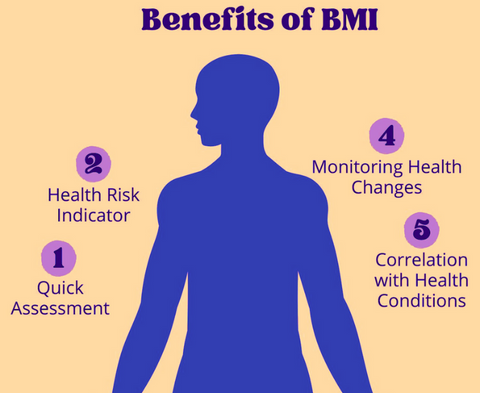
BMI can also provide a starting point for a conversation with a healthcare professional. Instead of seeing the number as an answer by itself, a person can use it to ask better questions about nutrition, physical activity, body composition, and other health measurements.
Common Mistakes When Calculating BMI
Incorrect measurements are one of the most common reasons for inaccurate BMI results. Entering pounds where kilograms are expected, using centimetres as metres, or estimating height incorrectly can significantly affect the calculation. Measuring height and weight accurately and selecting the correct units can prevent these errors.
Another common mistake is assuming that the BMI category provides a complete health assessment. It does not. The measurement is designed to identify broad weight-related patterns and should be considered alongside other relevant information.
People may also compare their BMI directly with another person’s number without considering differences in age, sex, muscle mass, body composition, and health circumstances. Such comparisons can be misleading and are rarely useful for making individual health decisions.
BMI as Part of a Broader Health Picture
The value of a bmi calculator becomes clearer when it is combined with other indicators. Health is influenced by nutrition, movement, sleep, genetics, environment, stress, medical conditions, and many other factors. A single mathematical measurement cannot capture all of these elements.
For someone working toward better health, BMI can provide a simple reference point while other indicators show what is happening in the body and daily routine. For example, improvements in fitness or strength may occur even when BMI changes very little. Likewise, someone can have a BMI within a commonly used range but still benefit from improving diet quality, physical activity, or sleep.
This broader approach makes BMI more useful and prevents the number from becoming the sole focus. The goal should be understanding health patterns and making sustainable improvements rather than chasing a particular calculation result.
Conclusion
A bmi calculator offers a quick and convenient way to estimate Body Mass Index using height and weight. For adults, the resulting number can be compared with commonly used BMI categories to identify broad weight ranges. Because BMI is a screening measurement, however, it should not be considered a complete measure of health or body composition. The most meaningful interpretation comes from combining BMI with other information such as waist measurement, physical activity, nutrition, sleep, fitness, and relevant health indicators. Understanding these limitations allows people to use BMI more responsibly and avoid placing too much importance on one number.