
Introduction
A calculator is one of the most useful tools for performing mathematical calculations quickly and accurately. From simple addition and subtraction to advanced scientific and financial calculations, calculators are used by students, professionals, business owners, engineers, and everyday users. Although modern smartphones and computers include built-in calculation tools, dedicated calculators remain popular because they are simple, fast, and designed specifically for numerical tasks.
The development of calculators has changed the way people handle mathematics. Instead of spending several minutes working through lengthy calculations manually, users can enter numbers and receive results almost instantly. Different types of calculators are designed for different purposes, making it easier to choose a tool according to individual requirements. Understanding how calculators work, what types are available, and where they can be useful can help users make better decisions when dealing with numbers.
What Is a Calculator?
A calculator is an electronic or digital device that performs mathematical operations based on numbers and instructions entered by the user. Basic operations generally include addition, subtraction, multiplication, and division. More advanced models can perform percentages, square roots, powers, logarithmic calculations, trigonometric functions, statistical operations, and other mathematical tasks.
Today, calculators are available in several forms. Traditional handheld devices are still commonly used in classrooms, offices, shops, and professional environments. Digital calculators are also available through websites, computer programs, and mobile applications. The basic purpose remains the same: to make numerical calculations faster and reduce the possibility of manual arithmetic mistakes.
Modern calculators can also be designed for specific industries. Financial calculators help users calculate interest, loans, investments, and payments, while scientific calculators are useful for complex mathematical and scientific problems. This variety makes the calculator a flexible tool rather than a device limited to basic arithmetic.
How Does a Calculator Work?
A calculator works by receiving numerical input, processing that information according to mathematical rules, and displaying the result. When a user presses a number or operation button, the device stores the information temporarily. Once the calculation is complete, the calculator’s internal processor performs the required mathematical operation.
For example, if a user enters 25 + 15, the calculator recognizes the numbers and addition symbol, processes the operation, and displays 40. More advanced calculations require additional mathematical instructions. Scientific calculators contain specialized functions that allow them to process equations involving trigonometry, logarithms, exponents, and other mathematical concepts.
Digital calculators follow a similar principle, although their processing happens through software. A user enters information through a keyboard, touchscreen, or webpage interface, and the software calculates the answer. The speed and accuracy of modern electronic systems allow even complicated calculations to be completed almost instantly.
Different Types of Calculators
There are many types of calculators available, and each one serves a particular purpose. Choosing the right type depends on the complexity of the calculations a person needs to perform.
| Type | Common Use | Main Features |
|---|---|---|
| Basic Calculator | Everyday arithmetic | Addition, subtraction, multiplication, division |
| Scientific Calculator | School and technical work | Trigonometry, powers, roots, logarithms |
| Financial Calculator | Finance and business | Interest, loans, investments, payments |
| Graphing Calculator | Advanced mathematics | Graphs, equations, functions |
| Percentage Calculator | Daily calculations | Percentages, discounts, increases |
| Online Calculator | General digital use | Quick calculations through a browser |
Basic calculators are suitable for routine arithmetic, while scientific and graphing models are better for advanced academic and professional work. Financial calculators are particularly useful for people dealing with loans, investments, interest rates, and financial planning.
Common Uses of a Calculator
A calculator can be useful in many situations. Students often use calculators to check mathematical answers, solve complex equations, and complete science or engineering assignments. Professionals use them for measurements, budgeting, financial calculations, data analysis, and business planning.
In everyday life, calculators can help people calculate shopping discounts, monthly expenses, percentages, travel costs, and household budgets. For example, someone purchasing an item with a 20% discount can quickly determine the final price instead of calculating it manually.
Some common uses include:
- Calculating household expenses and budgets
- Checking percentages, discounts, and taxes
- Solving academic mathematics problems
- Calculating loan payments and interest
- Performing scientific and engineering calculations
- Checking business revenue and expenses
Because calculations are involved in so many areas of life, having access to a reliable calculator can save time and make numerical tasks easier.
Benefits of Using a Calculator
One of the biggest advantages of using a calculator is speed. A calculation that might take several steps manually can often be completed within seconds. This becomes especially valuable when working with large numbers or complicated mathematical formulas.
Accuracy is another important benefit. Human errors can occur when adding numbers, copying figures, or performing long calculations. A calculator can reduce many common arithmetic mistakes when the correct information is entered.
Calculators can also improve productivity. Students can spend more time understanding mathematical concepts instead of repeatedly performing lengthy arithmetic. Businesses can quickly calculate costs, profits, percentages, and other figures. Professionals working with technical information can use specialized calculators to handle complicated formulas efficiently.
However, calculators should be used as a support tool rather than a complete replacement for mathematical understanding. Knowing the basic principles behind a calculation remains important, especially when checking whether a result makes sense.
Calculator for Students
Students are among the most frequent users of calculators. Depending on their educational level, they may use basic, scientific, graphing, or specialized calculators. Basic models are generally useful for elementary arithmetic, while scientific calculators become more important for subjects such as algebra, geometry, physics, chemistry, and advanced mathematics.
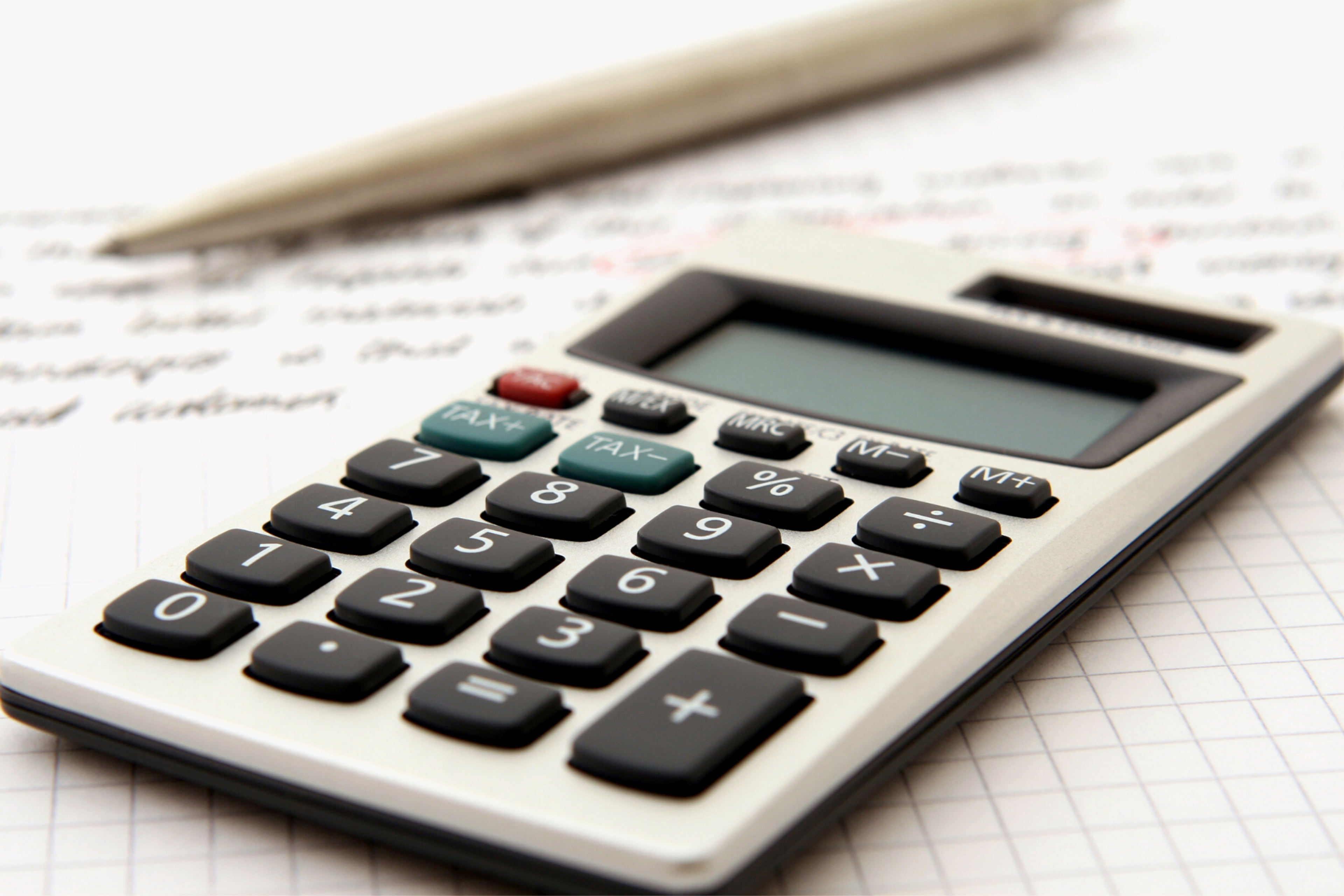 Using a calculator can help students verify their work and understand the results of mathematical operations. It can also save time during exercises that involve repetitive calculations. However, students should first understand the method used to solve a problem. If they depend entirely on a calculator without understanding the underlying concept, they may struggle when faced with questions that require reasoning.
Teachers may also recommend specific calculator types depending on the curriculum. Some examinations permit certain models while restricting others, so students should always understand the rules that apply to their particular test.
Online Calculators and Digital Tools
The internet has made calculators more accessible than ever. Online calculators can be used from computers, tablets, and smartphones without requiring a physical device. Many digital tools provide specialized functions for areas such as finance, health, mathematics, conversions, and education.
An online calculator can be particularly convenient when a person needs to perform a calculation occasionally. Instead of purchasing a dedicated device, users can access a suitable digital tool whenever required.
Digital calculators can also offer additional features. Some allow users to enter multiple values, save calculations, change units, or display detailed results. However, users should pay attention to the formulas and assumptions used by specialized tools, particularly when the result could affect an important financial or professional decision.
Calculator in Business and Finance
Businesses regularly deal with numbers, making calculators valuable tools for financial and operational tasks. Business owners may use them to calculate revenue, expenses, profit margins, discounts, taxes, salaries, and pricing.
Financial calculators are designed to handle more advanced calculations involving interest rates, loans, investments, and payment schedules. For example, someone considering a loan may need to estimate monthly payments based on the principal amount, interest rate, and repayment period.
A calculator can make these calculations faster, but financial decisions should not depend solely on a numerical result. Additional factors such as fees, changing interest rates, taxes, and contractual conditions may also influence the final cost.
Tips for Using a Calculator Correctly
Using a calculator is simple, but entering information incorrectly can produce an incorrect result. Users should carefully check every number and mathematical symbol before accepting the answer.
It is also helpful to estimate the expected result mentally. If a calculator displays a number that seems unusually large or small, reviewing the calculation can help identify an input mistake.
A few useful practices include:
- Double-check numbers before pressing the equals button.
- Use parentheses when working with complex expressions.
- Check decimal points carefully.
- Review the order of mathematical operations.
- Compare the result with a rough mental estimate.
These simple habits can make calculator use more reliable and reduce errors caused by incorrect inputs.
Why Calculators Remain Important
Despite the availability of smartphones, computers, and sophisticated software, calculators continue to be useful because they are focused, convenient, and easy to operate. A dedicated calculator usually starts quickly, requires little setup, and can perform calculations without distractions.
In educational environments, calculators can also help students transition from basic arithmetic to advanced mathematical concepts. In professional settings, specialized calculators provide functions tailored to particular industries.
The continued popularity of calculators demonstrates that simple technology can remain valuable even as more advanced digital tools become available. Their usefulness comes from their ability to solve a specific problem efficiently.
Conclusion
A calculator is a practical tool that makes mathematical calculations faster, easier, and more convenient. From simple arithmetic to scientific, graphing, and financial operations, different calculator types are available for different needs. Students can use them to check mathematical work, businesses can use them for financial calculations, and everyday users can rely on them for budgeting, discounts, percentages, and other numerical tasks.
Although modern technology provides many digital alternatives, calculators continue to have an important role because of their simplicity and specialized functionality. The key to using a calculator effectively is not simply entering numbers and accepting the answer but understanding the calculation, checking the input, and interpreting the result correctly. Whether used for education, business, finance, or everyday tasks, a calculator remains a valuable and dependable mathematical companion.