
Understanding whether your body weight is appropriate for your height can be a useful starting point when learning more about personal health. One of the most commonly used measurements for this purpose is Body Mass Index, usually known as BMI. A BMI calculator provides a quick way to estimate BMI by comparing a person’s weight with their height. Because the calculation is simple, it is frequently used in health assessments, fitness planning, and general wellness discussions.
However, BMI is only one measurement and should not be treated as a complete picture of someone’s health. Two people can have the same BMI while having very different amounts of muscle, body fat, fitness levels, and overall health. For this reason, BMI is most useful when considered together with other information such as waist circumference, physical activity, diet, age, medical history, and body composition.
A modern BMI calculator can make the calculation easier by allowing users to enter their height and weight instead of working through the mathematical formula themselves. Understanding what the resulting number means is just as important as obtaining it. The following guide explains how BMI works, how its categories are generally interpreted, and why the result should be considered in context.
What Is BMI and Why Is It Used?
Body Mass Index is a numerical measurement calculated using a person’s weight and height. For adults, the traditional BMI formula divides weight in kilograms by height in meters squared. For example, if someone weighs 70 kilograms and is 1.75 meters tall, their BMI would be approximately 22.9. A BMI calculator performs this calculation automatically, reducing the possibility of arithmetic errors.
BMI became popular because it provides a relatively simple way to categorize weight at a population level. Healthcare professionals, researchers, and public health organizations can use BMI to study patterns associated with underweight, healthy weight, overweight, and obesity. It is particularly useful for identifying broad trends across large groups of people.
At an individual level, however, BMI has limitations. It does not directly measure body fat and does not show where fat is stored. Someone with significant muscle mass may have a relatively high BMI without having excessive body fat. Conversely, a person can have a BMI within a commonly accepted range while still carrying a relatively high proportion of body fat.
How Does a BMI Calculator Work?
A BMI calculator generally requires two basic measurements: body weight and height. Depending on the tool, users may be able to select metric measurements such as kilograms and centimeters or imperial measurements such as pounds, feet, and inches. The calculator converts the measurements when necessary and applies the appropriate formula.
For adults, the standard metric formula is:
BMI = Weight in kilograms ÷ (Height in meters × Height in meters)
For example, a person weighing 80 kilograms and measuring 1.80 meters tall would have a BMI of approximately 24.7. The number itself does not indicate a diagnosis. Instead, it places the person’s weight-to-height ratio into a commonly used classification range.
Using accurate measurements can make the result more useful. Weight can fluctuate during the day because of food, fluids, clothing, and other factors, while height measurements can also be slightly inconsistent. For general tracking, measuring under similar conditions can make changes easier to interpret.
Understanding Adult BMI Categories
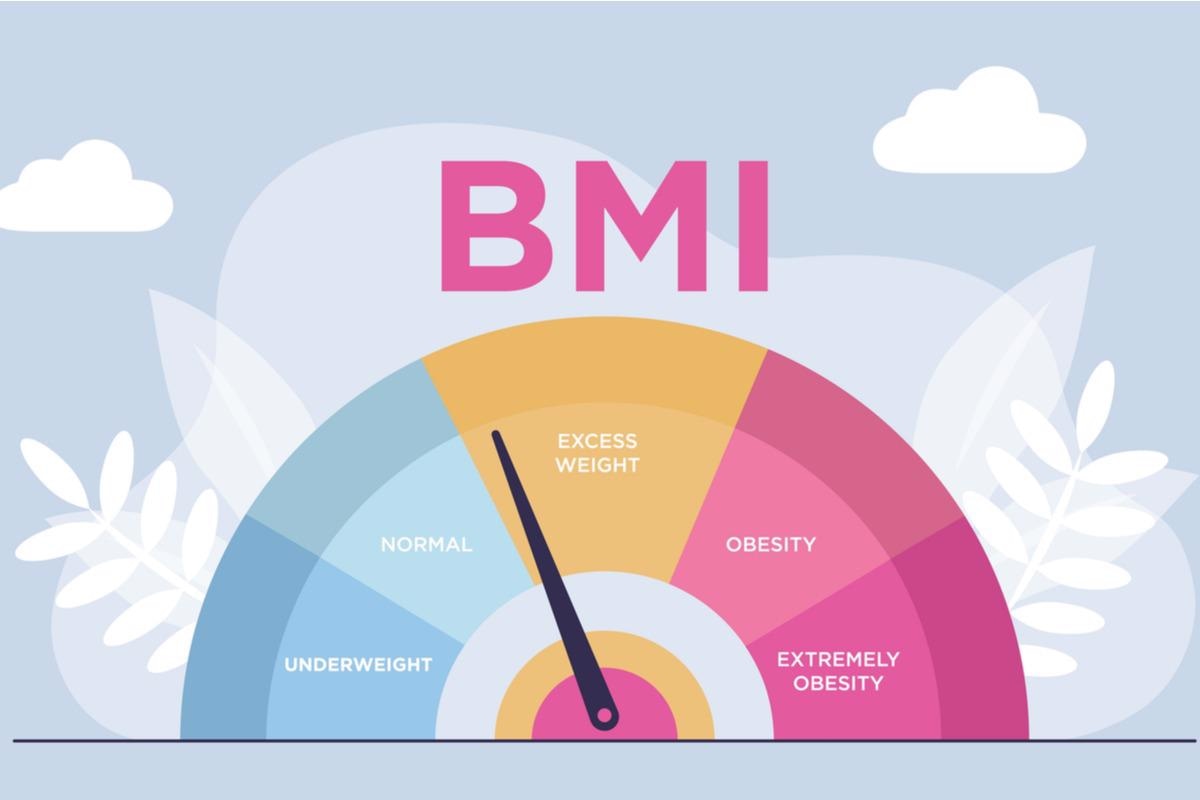
Once a BMI has been calculated, it is generally compared with standard adult categories. These categories are useful as broad screening ranges rather than definitive descriptions of an individual’s health. A person’s age, sex, muscle mass, ethnicity, medical conditions, and other factors may affect how the result should be interpreted.
| Adult BMI Range | Common Classification | General Interpretation |
|---|---|---|
| Below 18.5 | Underweight | Below the commonly used healthy-weight range |
| 18.5–24.9 | Healthy weight | Within the commonly used reference range |
| 25.0–29.9 | Overweight | Above the commonly used healthy-weight range |
| 30.0 or higher | Obesity | Higher BMI range associated with increased health risks |
These ranges are commonly used for adults, but they should not automatically be applied to children and teenagers. Younger people require age- and sex-specific growth charts because body composition naturally changes throughout childhood and adolescence.
It is also important to understand that crossing from one category to another does not mean that a person’s health suddenly changes at that exact number. BMI is a continuous measurement, while the categories are convenient groupings used for screening and communication.
Why BMI Does Not Tell the Whole Story
One of the biggest limitations of BMI is that it cannot distinguish between muscle and fat. Muscle is denser than fat, so a person who participates in strength training, bodybuilding, or certain athletic activities may have a higher BMI despite having relatively low body fat.
Body fat distribution is another important consideration. Fat stored around the abdomen can be associated with different health risks than fat stored in other areas of the body. This means that waist circumference can sometimes provide additional useful information when evaluating overall health.

A BMI calculator also does not consider blood pressure, blood glucose, cholesterol, cardiovascular fitness, sleep, nutrition, physical activity, or family medical history. These factors can contribute significantly to health outcomes. Therefore, BMI is better understood as a screening measurement rather than a complete health assessment.
For example, two adults could both have a BMI of 27, but one might be physically active with substantial muscle mass, while the other might have relatively low muscle mass and higher body fat. Their BMI values are identical, but their individual health profiles may be quite different.
When Should You Use a BMI Calculator?
A BMI calculator can be useful when someone wants a quick starting point for understanding their weight in relation to height. It can also help people track broad changes over time. For example, someone working toward a healthier lifestyle may periodically record weight and BMI alongside other measurements.
The value becomes greater when BMI is considered as part of a broader health picture. Instead of focusing entirely on a single number, people can also monitor changes in waist size, strength, endurance, daily activity, eating habits, sleep quality, and other relevant indicators.
Some practical situations where BMI may be useful include:
- Establishing a basic weight-to-height measurement.
- Tracking broad changes during a lifestyle program.
- Supporting discussions with a healthcare professional.
- Understanding general adult weight classifications.
The goal should not be to chase a particular BMI number at any cost. A sustainable approach to health generally involves appropriate nutrition, regular movement, adequate sleep, and habits that can realistically be maintained over time.
BMI for Different Age Groups
BMI interpretation depends heavily on age. For adults, standard BMI categories are commonly used because body composition is relatively stable compared with childhood. For children and teenagers, however, BMI changes naturally as they grow.
For people under 18, BMI is generally interpreted using growth charts that account for age and sex. A child’s BMI percentile is more meaningful than simply applying adult BMI categories. Parents and caregivers should therefore avoid using an adult BMI calculator to judge a child’s weight status.
Older adults also require thoughtful interpretation. Natural aging can involve changes in muscle mass, bone density, and fat distribution. A BMI number alone may not reveal these changes. Functional ability, muscle strength, nutrition, mobility, and overall health can be particularly important when evaluating weight in later life.
BMI and Weight Management
BMI can provide a starting point for conversations about weight management, but healthy weight management involves much more than reducing the number on a scale. Extremely restrictive diets or rapid weight-loss approaches may be difficult to maintain and may not provide adequate nutrition.
A sustainable approach usually focuses on overall lifestyle patterns. Regular physical activity can support cardiovascular fitness and muscle strength, while balanced meals can provide essential nutrients. Adequate protein, fiber-rich foods, fruits, vegetables, whole grains, and appropriate hydration can all contribute to a balanced eating pattern.
For someone with a higher BMI, even modest improvements in physical activity and dietary habits may be meaningful. Similarly, a person with a lower BMI should not automatically assume that additional weight loss is necessary. The appropriate goal depends on the individual’s circumstances.
Common Mistakes When Interpreting BMI
One common mistake is assuming that BMI directly measures body fat. It does not. BMI is calculated from height and weight, meaning it cannot determine the percentage of someone’s body that consists of fat, muscle, bone, or water.
Another mistake is treating the result as a medical diagnosis. A BMI category can indicate that additional assessment may be useful, but it cannot independently diagnose a health condition. Healthcare professionals may consider other measurements and medical information before making recommendations.
People may also become overly focused on small changes in their BMI. Daily weight fluctuations can occur naturally because of hydration, meals, sodium intake, bowel movements, and other factors. Looking at longer-term trends can provide a more meaningful picture than reacting to every small change.
BMI and Other Health Measurements
For a more complete understanding of health, BMI can be considered alongside other measurements. Waist circumference can provide information about abdominal fat, while blood pressure and blood tests can offer additional insight into cardiovascular and metabolic health.
Body composition testing can also estimate the proportions of fat and lean tissue, although different testing methods have different levels of accuracy and accessibility. Physical fitness is another valuable dimension. Strength, cardiovascular endurance, mobility, and daily activity levels cannot be captured by BMI alone.
This broader approach is particularly important because health is multidimensional. A single number cannot fully describe someone’s nutrition, fitness, metabolic health, mental wellbeing, or quality of life.
Using BMI Results Responsibly
The most useful way to approach a BMI result is to treat it as information rather than a judgment. If the result falls outside the commonly used adult reference range, it does not automatically mean that a person is unhealthy. It may simply indicate that additional factors should be considered.
People who are concerned about their weight, experiencing unexplained weight changes, or managing a health condition can discuss their situation with a qualified healthcare professional. A professional can consider personal history, physical measurements, medications, lifestyle, and other factors that a basic calculator cannot evaluate.
For general wellness, the focus should remain on sustainable habits rather than perfection. Regular movement, nutritious food choices, sufficient sleep, stress management, and appropriate medical care can all contribute to better health regardless of whether someone’s BMI changes significantly.
Conclusion
A BMI calculator offers a convenient way to calculate the relationship between body weight and height. It can help adults understand commonly used weight categories and can serve as a useful starting point for tracking broad changes over time. Its simplicity is one of its greatest advantages, but that simplicity also explains why it cannot provide a complete assessment of individual health. BMI should therefore be interpreted alongside other factors such as waist circumference, body composition, physical activity, nutrition, blood pressure, metabolic health, age, and personal medical history. A single BMI number should never define someone’s overall health.