
Understanding your body weight is an important part of maintaining overall health, but knowing your weight alone does not always provide a complete picture. Two people with the same weight may have different heights, body compositions, activity levels, and health needs. This is why body mass index, commonly known as BMI, is widely used as an initial screening tool to understand the relationship between weight and height. It offers a simple way to identify whether an adult’s weight falls within a commonly recognized range and whether further assessment may be useful.
A BMI calculator makes this process easier by using a person’s height and weight to estimate their body mass index. Instead of performing a mathematical calculation manually, users can enter their measurements and receive a result within seconds. This information can help people become more aware of their weight patterns, set realistic health goals, and prepare meaningful questions for a healthcare professional. However, BMI should not be treated as a complete measure of health because it does not directly measure body fat, muscle mass, or nutritional status.
In today’s health-conscious environment, people increasingly use digital tools to monitor personal wellness and develop healthier routines. Although these tools can support awareness, the most useful approach combines measurements with daily habits, medical history, physical activity, sleep quality, and other indicators of well-being. Learning how BMI works, what its numbers mean, and where its limitations lie can help individuals make more informed decisions without becoming overly focused on a single measurement.
What Is Body Mass Index?
Body mass index is a numerical value calculated using a person’s weight and height. It is commonly used by healthcare professionals as an initial screening measure for weight categories among adults. Rather than considering body weight in isolation, BMI adjusts weight according to height, making it easier to compare measurements across people of different heights.
For example, a person weighing 75 kilograms may fall into a different BMI category depending on whether they are 1.60 metres or 1.85 metres tall. The same weight can therefore have different interpretations. Nevertheless, BMI does not determine whether someone is healthy or unhealthy on its own. A person’s overall condition also depends on factors such as blood pressure, blood glucose, cholesterol levels, physical fitness, family history, and the distribution of body fat.
Why BMI Is Used in Health Assessments
BMI is popular because it is inexpensive, straightforward, and easy to calculate using basic measurements. It can help identify adults who may benefit from a closer assessment of their weight-related health risks. At a population level, healthcare researchers also use BMI to study patterns of underweight, overweight, and obesity.
For individuals, the measurement can provide a starting point for conversations about nutrition, physical activity, and preventive healthcare. It is most useful when interpreted alongside other relevant information rather than used as a final judgment about someone’s physical condition.
How Does a BMI Calculator Work?
A BMI calculator uses weight and height to produce a numerical result. In the metric system, weight is measured in kilograms and height in metres. The calculation divides weight by the square of height. Although the formula is simple, an online tool can reduce calculation errors and make it easier to check different measurements.
For example, imagine an adult who weighs 70 kilograms and is 1.75 metres tall. The calculation divides 70 by 1.75 multiplied by 1.75, producing a BMI of approximately 22.9. This value falls within the standard healthy-weight screening range for adults. It does not automatically mean that every aspect of the person’s health is ideal, but it provides one useful reference point.
The BMI Formula Explained
The standard metric formula is:
BMI = Weight in kilograms ÷ (Height in metres × Height in metres)
For measurements in pounds and inches, the formula is:
BMI = (Weight in pounds ÷ Height in inches²) × 703
Both formulas estimate the same general measurement using different units. A BMI calculator typically handles the relevant calculation automatically, allowing users to focus on understanding the result rather than working through the mathematics.
For accurate results, measurements should be as reliable as possible. Weight can be measured using a suitable weighing scale, while height should be recorded without shoes and with an upright posture. Small measurement differences can affect the final number, especially when a result is close to a category boundary.
Understanding BMI Categories for Adults
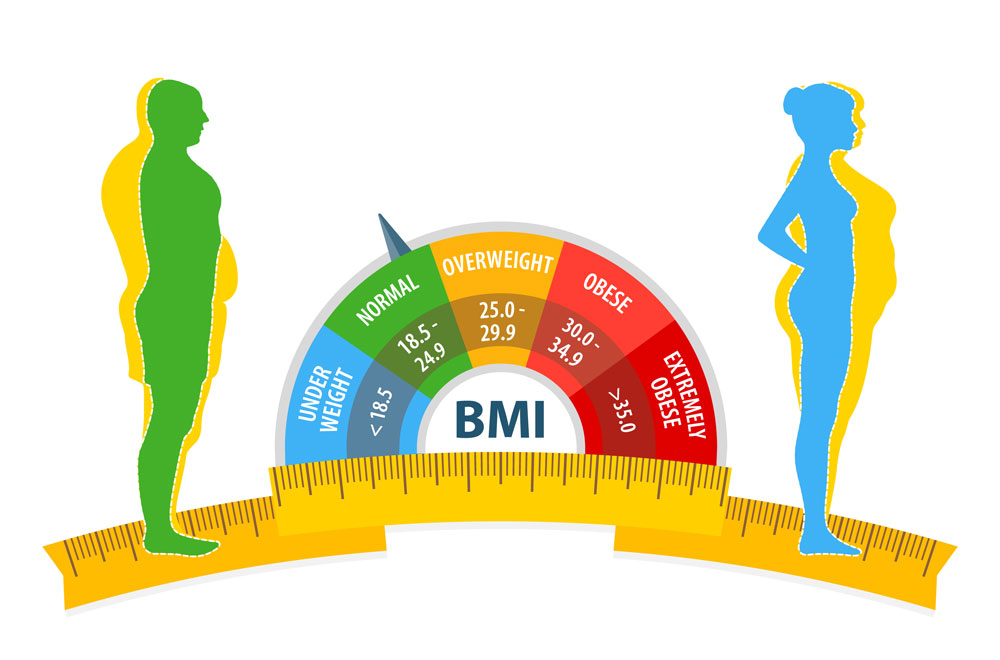
Adult BMI results are commonly grouped into categories that help explain how a person’s weight relates to their height. These categories are screening guidelines rather than precise predictions of an individual’s health. A result should always be considered in context, particularly when there are other health concerns or unusual body-composition characteristics.
The standard adult categories commonly used internationally are shown below.
| BMI range | Adult category | General interpretation |
|---|---|---|
| Below 18.5 | Underweight | May warrant assessment of nutrition and health |
| 18.5–24.9 | Healthy weight | Within the standard reference range |
| 25.0–29.9 | Overweight | May indicate increased weight-related health risks |
| 30.0 and above | Obesity | Further assessment of health risks may be appropriate |
These categories are generally intended for adults aged 20 and older. They should not be applied in exactly the same way to children and teenagers, whose measurements are interpreted using age- and sex-specific growth charts. Different populations may also require additional considerations when assessing health risks associated with BMI.
What Does a Healthy BMI Mean?
For most adults, a BMI between 18.5 and 24.9 falls within the standard healthy-weight range. This range can serve as a broad reference when discussing weight management with a qualified professional. However, a person within this range may still have high blood pressure, poor cardiovascular fitness, or other health concerns.
Similarly, someone outside the range may be physically active and have favourable health indicators. The number alone cannot distinguish between muscle and fat or reveal where fat is stored. A healthy weight should therefore be understood as part of a wider picture that includes physical, metabolic, and psychological well-being.
Benefits of Using a BMI Calculator
One major advantage of this tool is convenience. People can estimate their BMI without special equipment beyond a weighing scale and a way to measure height. This makes it useful for individuals who want to understand their current measurements before discussing weight-related concerns with a healthcare provider. The result can also help users follow general weight trends over time.
Another benefit is that BMI offers a consistent starting point for conversations about health. For example, an individual who notices a gradual increase in BMI may decide to review eating habits, sleep patterns, and daily movement. Someone with a low BMI may consider whether they are eating enough or experiencing unexplained weight loss. In either situation, the measurement can encourage appropriate attention, although it cannot identify the cause of a change.
A BMI calculator can also support personal planning by helping users understand how changes in weight may affect their calculated result. Nevertheless, its greatest value lies in awareness rather than diagnosis. It should encourage balanced decision-making instead of extreme dieting, unnecessary anxiety, or unrealistic expectations about body shape.
Limitations of BMI You Should Know
Although BMI is widely used, it has important limitations. Its main weakness is that it does not distinguish between fat mass and lean mass. Muscle is denser than fat, so an athletic person with substantial muscle development may have a BMI in the overweight category despite having relatively low body fat. In contrast, someone with a BMI within the healthy range may have a higher proportion of body fat than their measurements suggest.
The calculation also does not show where fat is stored. Fat accumulated around the abdomen can be associated with metabolic health risks, but BMI cannot measure abdominal fat directly. Waist circumference and other clinical measurements may provide additional information when interpreted appropriately. Age, sex, ethnicity, pregnancy, medical conditions, and changes in body composition can also affect how a BMI result should be understood.
Another limitation is that BMI cannot diagnose nutritional deficiencies, eating disorders, diabetes, cardiovascular disease, or other medical conditions. A result outside the standard range does not establish that a person has a disease, just as a result inside the range does not guarantee good health. People experiencing unexplained weight changes, persistent fatigue, appetite changes, or other concerning symptoms should seek appropriate medical advice rather than relying exclusively on a numerical result.
How to Use BMI Information for Better Health
The most effective way to use BMI is to treat it as one piece of information within a broader health plan. After checking a result, consider whether it matches your overall circumstances. If your weight has changed significantly, think about whether the change was intentional, how quickly it occurred, and whether it was accompanied by changes in energy, appetite, or physical performance.
Healthy habits are more valuable than attempting to reach a particular number as quickly as possible. A balanced eating pattern, regular movement, sufficient sleep, and appropriate medical care can support long-term well-being. Weight-related goals should also be realistic and suitable for a person’s age, health status, and individual needs.
Practical Habits That Support Healthy Weight Management
People looking to improve their health can begin with manageable adjustments rather than major lifestyle changes that are difficult to maintain.
- Include vegetables, fruits, whole grains, and appropriate sources of protein in regular meals.
- Choose physical activities that fit your abilities, schedule, and preferences.
- Maintain a consistent sleep routine and make time for recovery.
- Monitor long-term trends instead of reacting to every daily weight fluctuation.
- Seek professional guidance when weight changes are unexplained or difficult to manage.
These habits support overall health regardless of whether a person is trying to lose weight, gain weight, or maintain their current measurements. Progress does not need to be perfect to be meaningful. Small, sustainable improvements can be easier to maintain than restrictive diets or demanding exercise routines.
BMI for Different Age Groups
BMI interpretation depends partly on age. For adults aged 20 and older, the standard categories provide a common screening framework. For children and teenagers, however, the same fixed categories cannot be applied directly because their bodies are still developing. Their BMI is interpreted using growth charts that account for age and sex, allowing healthcare professionals to compare measurements with appropriate reference populations.
Older adults may also require a more individualized assessment. Changes in muscle mass, bone density, appetite, mobility, and medical conditions can influence the meaning of a BMI result. An older person with a seemingly acceptable BMI may still have reduced muscle strength or inadequate nutritional intake. Likewise, an unexplained decrease in weight may deserve attention even if the resulting BMI remains within the standard range.
Pregnant individuals should not use standard adult BMI categories to assess their changing weight during pregnancy. Pre-pregnancy measurements, pregnancy stage, and clinical guidance are more appropriate for evaluating weight-related needs. In every age group, the goal is to interpret measurements according to the person’s circumstances rather than assuming one numerical range provides all the answers.
Common Mistakes to Avoid When Checking BMI
One common mistake is entering height or weight using the wrong units. For example, entering centimetres where metres are expected can produce an incorrect result. Users should check whether the tool requests kilograms, pounds, metres, centimetres, or inches before entering their measurements. A second mistake is treating a category label as a diagnosis. BMI is designed for screening, not for independently determining whether a person has a medical condition.
Another frequent misunderstanding is expecting BMI to measure fitness or appearance. A person’s strength, endurance, flexibility, and cardiovascular health cannot be reduced to a single number. People may also experience normal weight fluctuations because of hydration, meals, hormonal changes, or other temporary factors. Checking measurements too frequently can create unnecessary stress, especially when small changes are interpreted as meaningful progress or failure.
A more balanced approach involves using measurements periodically and paying attention to longer-term patterns. If a result raises concerns, a healthcare professional can consider additional information, such as medical history, waist circumference, blood pressure, laboratory tests, and dietary habits. This creates a more useful assessment than focusing on BMI alone.
Using BMI as Part of a Long-Term Wellness Plan
A wellness plan should reflect personal circumstances rather than follow a universal weight target. Some people may benefit from gradually reducing excess body fat, while others may need support with gaining weight, improving strength, or maintaining their current condition. The appropriate approach depends on health history, nutritional needs, physical activity, and professional assessment.
Instead of focusing only on the result from a BMI calculator, consider establishing habits that improve everyday functioning. These might include preparing balanced meals, walking regularly, performing suitable strength exercises, limiting prolonged sitting, and maintaining a stable sleep schedule. People with chronic conditions or physical limitations should choose activities and dietary changes that are appropriate for their situation.
Tracking progress can include several indicators, such as energy levels, exercise tolerance, sleep quality, blood pressure when relevant, and changes in waist measurements. These indicators can help provide context for a weight measurement. For some people, weight monitoring may be uncomfortable or unhelpful, particularly if it contributes to disordered eating patterns or excessive worry. In such cases, professional guidance can help identify more suitable ways to monitor health.
Conclusion
A BMI calculator offers a convenient way to understand the relationship between height and weight. By providing a simple numerical estimate, it can help adults identify a general weight category, notice longer-term changes, and decide whether additional health guidance may be useful. Its accessibility makes it a practical starting point for people who want to become more informed about their health. However, BMI is not a complete measure of physical condition and should never be treated as a diagnosis or a guarantee of good health. Muscle mass, body-fat distribution, age, medical history, and other factors can influence the interpretation of a result. A number within the standard range does not eliminate health risks, while a result outside that range does not automatically indicate illness.