
The business world includes leaders who develop their expertise in different industries but share a common responsibility: guiding organizations through changing markets, making strategic decisions, and building sustainable business performance. David Lawler and Bruce Broussard are two American executives whose professional careers demonstrate how leadership can develop through different educational backgrounds, industry experiences, and organizational responsibilities. Although their names sometimes appear together in online searches, understanding their individual professional histories provides a clearer picture of their accomplishments and the industries they represent.
David Lawler is primarily associated with the energy industry, where he has developed extensive experience in petroleum engineering, natural gas operations, business development, and executive management. His professional journey includes leadership positions at major energy organizations and responsibilities involving large-scale operational and investment decisions. Bruce Broussard, meanwhile, established his reputation through healthcare management, financial leadership, and corporate transformation. His career includes significant responsibilities at US Oncology and Humana, followed by his appointment as interim chief executive officer of HP Inc. in February 2026.
The discussion surrounding david lawler and bruce broussard is therefore best understood as an opportunity to examine two separate executive careers rather than assume an established personal or professional relationship. Their backgrounds offer useful insights into executive development, industry specialization, organizational management, and the different challenges leaders encounter when overseeing complex businesses.
Who Is David Lawler?
David C. Lawler is an American energy executive whose career has focused on oil, natural gas, petroleum engineering, and energy operations. His professional background combines technical knowledge with business management, allowing him to work across operational responsibilities and executive decision-making. He studied petroleum engineering at the Colorado School of Mines before completing an MBA at Tulane University. This educational combination reflects the technical and commercial skills required to manage businesses operating in the energy sector.
Lawler’s career developed through several established energy companies, including Conoco, Burlington Resources, Shell, SandRidge Energy, and BP. These organizations provided opportunities to understand different aspects of petroleum production, business operations, and corporate strategy. His experience includes working with complex energy assets, managing operational responsibilities, and participating in decisions involving investment and business development. Such experience is particularly relevant in an industry where production costs, market conditions, infrastructure, and regulatory requirements can significantly influence business performance.
David Lawler’s Professional Development
Lawler’s early professional experience involved engineering and operational responsibilities, which helped establish his understanding of the practical challenges associated with energy production. Petroleum engineering requires knowledge of reservoirs, production systems, drilling operations, and resource management. These technical responsibilities also require collaboration between engineers, financial professionals, operations teams, and corporate managers.
As his career progressed, Lawler moved into increasingly senior management positions. His experience at Shell contributed to his understanding of large energy operations, while subsequent responsibilities at SandRidge and BP expanded his exposure to corporate leadership. His professional development illustrates how technical expertise can become an important foundation for executive management when combined with financial knowledge, communication skills, and strategic planning.
Leadership at BP America
One of Lawler’s most prominent professional positions was serving as chairman and president of BP America. His responsibilities involved overseeing major business activities within the United States and supporting organizational priorities across a complicated energy market. Leadership at this level requires balancing production objectives, investment decisions, safety requirements, operational efficiency, and long-term business development.
His experience also included leadership at BPX Energy, where he worked with businesses connected to American oil and natural gas production. These responsibilities involved managing substantial assets and supporting decisions about operational performance. His career demonstrates how energy executives must combine technical understanding with the ability to evaluate financial risks and changing market conditions.
Lawler subsequently became associated with Caturus, an integrated natural gas and liquefied natural gas business. His leadership there connects his previous operational experience with the development of natural gas infrastructure and LNG opportunities. These projects require long-term planning, significant capital investment, and coordination between production activities and export infrastructure.
Who Is Bruce Broussard?
Bruce Broussard is an American business executive recognized for his leadership in healthcare management, financial strategy, and corporate operations. His career developed through organizations involved in oncology services, specialty pharmacy, health insurance, and technology. Unlike Lawler’s engineering-centered background, Broussard’s professional experience has been closely connected to finance, business administration, healthcare delivery, and organizational growth.
Broussard studied accounting and finance at Texas A&M University and later earned an MBA in finance from the University of Houston. His educational background provided a foundation for understanding financial reporting, business performance, investment decisions, and corporate management. These capabilities became important throughout his executive career, particularly as he moved into positions involving responsibility for large organizations and complex healthcare operations.
His professional history includes leadership positions at US Oncology and McKesson before joining Humana. These experiences introduced him to different parts of the healthcare business, including operational management, specialty services, financial planning, and organizational development. His progression demonstrates how executives can build broad management experience by working across related business functions.
Bruce Broussard’s Healthcare Leadership
Broussard became widely recognized through his leadership at Humana, one of the major American health insurance organizations. He joined the company in 2011 and became president and chief executive officer in 2013. During his tenure, Humana operated in a healthcare environment shaped by changing insurance regulations, rising medical costs, demographic shifts, and growing attention to patient outcomes.
Healthcare leadership requires balancing financial sustainability with the needs of members, providers, employees, and communities. Insurance organizations must evaluate medical expenses, manage administrative operations, maintain regulatory compliance, and develop services that respond to changing customer expectations. Broussard’s responsibilities involved navigating these interconnected priorities while guiding Humana’s business strategy.
He remained CEO until 2024, when Jim Rechtin succeeded him as president and chief executive officer. Broussard’s departure marked the conclusion of a substantial period of leadership at Humana and represented an important transition in his professional career.
Transition to HP Inc.
In February 2026, Broussard became interim chief executive officer of HP Inc. The appointment represented a significant change from his previous healthcare responsibilities because HP operates in the technology industry, where business priorities include personal computing, printing, enterprise relationships, product development, and changing customer demand.
His appointment also reflected his previous experience serving on HP’s board of directors. Board experience can provide executives with familiarity with governance, company strategy, leadership responsibilities, and organizational priorities. However, serving as interim CEO introduces a different level of responsibility because the executive must oversee daily operations while supporting the company’s broader strategic direction.
As of November 2026, Broussard’s appointment should be described according to HP’s latest verified leadership information. His interim designation is important because it distinguishes the temporary executive assignment from a confirmed permanent appointment.
David Lawler and Bruce Broussard: Career Comparison
Although their careers developed in different industries, both executives have experience managing complex organizations and making decisions involving financial performance, operational responsibilities, and long-term strategy.
Their professional histories demonstrate that executive leadership is not limited to one educational pathway. Technical expertise can support leadership in an engineering-intensive industry, while financial and operational experience can provide a foundation for management in healthcare and technology.
The following comparison summarizes their publicly documented professional backgrounds.
| Career detail | David Lawler | Bruce Broussard |
|---|---|---|
| Primary industry | Energy and natural gas | Healthcare and technology |
| Professional background | Petroleum engineering and energy management | Finance and business management |
| Major leadership experience | BP America and BPXEnergy | Humana and US Oncology |
| Current reported position | CEO of Caturus | Interim CEO of HP Inc. |
| Undergraduate education | Colorado School of Mines | Texas A&M University |
| MBA education | Tulane University | University of Houston |
| Major business focus | Energy operations and natural gas development | Healthcare management and corporate strategy |
This comparison highlights the different experiences that shaped their careers. Lawler’s professional path is closely connected to engineering, production operations, and energy infrastructure. Broussard’s background emphasizes finance, healthcare management, and organizational transformation.
Their similarities are most evident in the responsibilities associated with senior leadership rather than in their technical specialties.
Are David Lawler and Bruce Broussard Connected?
One of the central questions behind searches for david lawler and bruce broussard is whether the two executives share a family relationship, professional partnership, or history of working together.
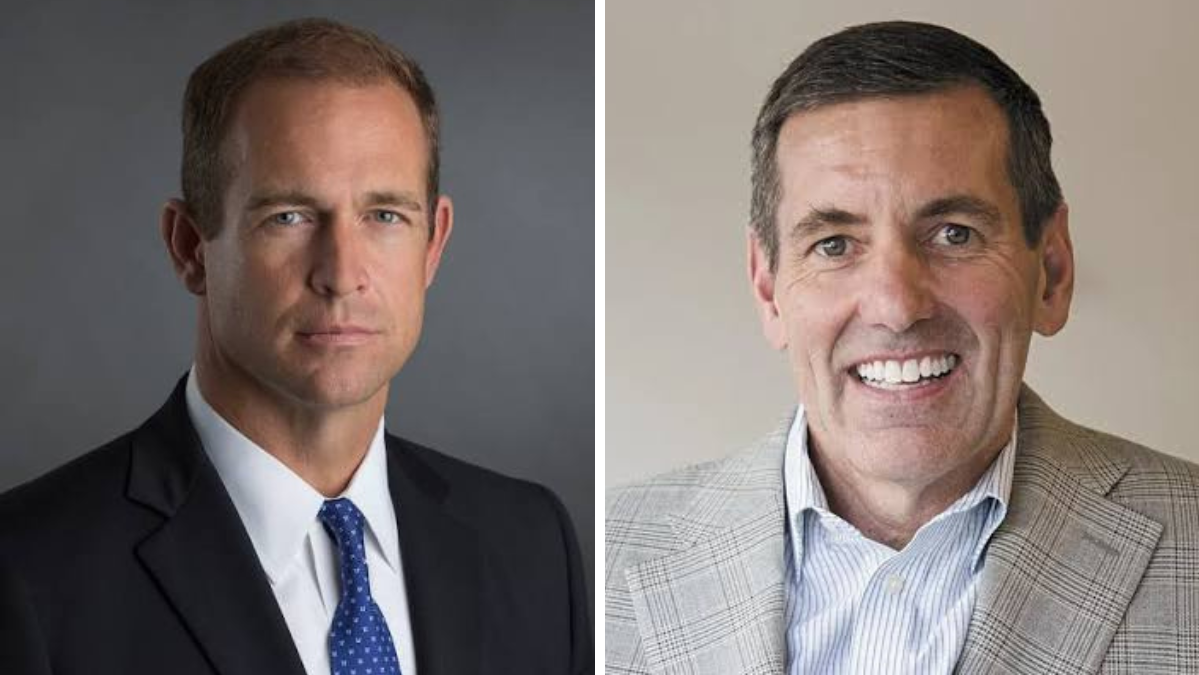
Based on the publicly documented professional information reviewed for this article, no verified direct family relationship or shared executive position has been established. Their biographies describe separate career paths, different educational backgrounds, and leadership responsibilities within different industries.
This distinction is important because the appearance of two names together online does not automatically establish a relationship. Search results can combine people because readers are comparing executives, researching business leadership, or looking for information about individuals with similar professional prominence.
A reliable explanation should therefore distinguish confirmed information from assumptions. It would be inappropriate to describe the two men as relatives, business partners, or former colleagues without credible documentation establishing that connection.
Their careers can still be compared meaningfully without suggesting that they have collaborated directly.
Why Their Names May Appear Together
Several factors can explain why readers search for two executives together. Both have held prominent leadership positions, both have been associated with major American corporations, and both have professional histories involving substantial organizational responsibilities.
Readers may also be interested in comparing their education, management experience, career progression, and current responsibilities. Business research frequently involves examining several executives at once to understand different approaches to leadership.
Another possibility is that an online article or search result introduced the names together. However, the existence of a shared headline or search phrase does not establish a personal relationship or joint business activity.
The most useful approach is to examine each executive’s documented career and identify whether reliable information establishes a direct connection.
How Their Leadership Experiences Differ
Technical Leadership in the Energy Industry
Lawler’s career demonstrates the importance of technical knowledge in energy management. Oil and natural gas businesses operate through interconnected systems involving exploration, production, transportation, processing, and infrastructure development.
Executives working in this environment must understand how operational decisions influence financial results. Production interruptions, equipment performance, resource availability, and infrastructure limitations can affect business performance. Technical knowledge helps leaders communicate with engineering teams and evaluate the practical implications of investment decisions.
Energy projects also frequently require long planning periods. Developing production assets or LNG facilities involves capital commitments, regulatory considerations, construction schedules, and market analysis. Lawler’s professional background reflects experience in an industry where operational expertise and strategic planning are closely connected.
Financial and Organizational Leadership in Healthcare
Broussard’s career illustrates a different set of management challenges. Healthcare organizations must respond to customer needs, financial pressures, regulatory requirements, and changes in how services are delivered.
Health insurance businesses evaluate medical expenses, membership growth, administrative efficiency, and service quality. Their decisions can influence providers, patients, employees, and investors. Leaders must therefore understand financial performance while considering the broader responsibilities associated with healthcare services.
Broussard’s experience at Humana provided exposure to these responsibilities over an extended period. His later appointment at HP also demonstrates how executive management experience can become relevant beyond the industry where it was originally developed.
However, transferring leadership experience between industries does not eliminate the need to understand the new business. Technology companies operate through different product cycles, competitive pressures, customer expectations, and investment requirements.
What Their Careers Reveal About Executive Development
The professional histories of Lawler and Broussard illustrate several important aspects of executive development.
First, specialized knowledge can provide a strong foundation for leadership. Lawler’s engineering education and energy experience helped him understand the technical operations behind the businesses he managed. Broussard’s finance education and healthcare experience supported his development within organizations where financial performance and operational management are closely connected.
Second, leadership responsibilities generally expand beyond an executive’s original area of expertise. Senior managers must evaluate business performance, communicate with stakeholders, manage organizational priorities, and make decisions involving multiple departments.
Third, professional development often involves learning from different organizational environments. Working across companies can expose executives to new operational systems, management structures, and strategic challenges. This experience can contribute to broader decision-making capabilities.
Finally, leadership requires adapting to changing circumstances. Energy companies respond to production conditions, infrastructure requirements, and market demand. Healthcare organizations respond to medical costs, regulation, and customer needs. Technology companies face product innovation, competition, and changing consumer expectations.
These differences show why understanding an executive’s industry background is essential when evaluating their professional experience.
Career Challenges in Their Respective Industries
Energy leadership involves several interconnected challenges. Companies must manage operational safety, environmental responsibilities, infrastructure investment, production efficiency, and changing energy markets. Natural gas and LNG projects also require coordination between production, transportation, processing, and export activities.
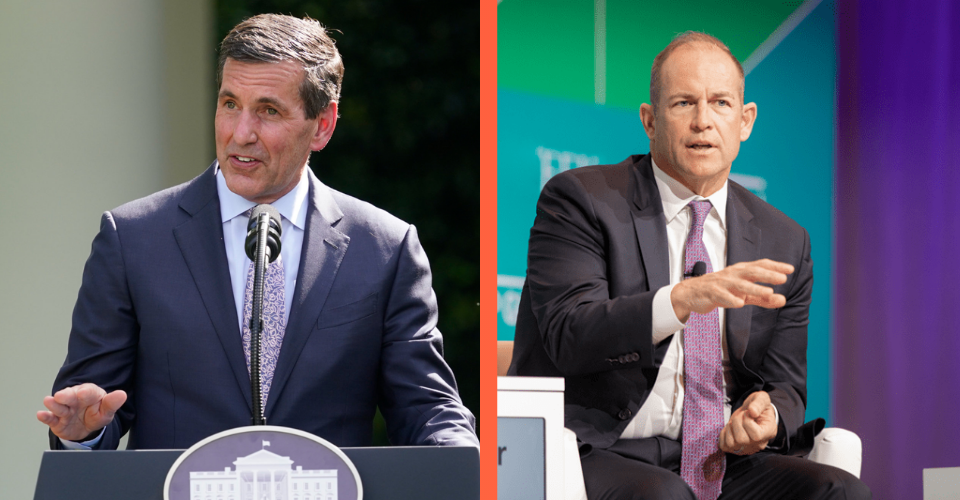
Healthcare leadership presents another set of difficulties. Organizations must manage medical costs, regulatory requirements, service quality, financial performance, and changing healthcare needs. The complexity increases when businesses operate across different markets or serve large populations.
Technology leadership requires attention to product innovation, customer relationships, supply chains, and competition. Companies must respond to changing consumer preferences while investing in research, development, and operational improvements.
These challenges differ significantly, but they share a common requirement: leaders must make informed decisions using reliable information, evaluate risks, and communicate priorities effectively.
The comparison between the two executives therefore provides a broader understanding of how leadership responsibilities change depending on the organization and industry.
Important Facts Readers Should Understand
When researching the two executives, readers should focus on information that can be supported through professional biographies, corporate announcements, and reliable business records.
The following points help establish a clear understanding of their backgrounds:
-
David Lawler is primarily associated with energy, petroleum engineering, natural gas, and executive management.
-
Bruce Broussard developed his career through healthcare leadership, finance, and corporate management.
-
Lawler’s major leadership experience includes BP America and BPXEnergy, followed by his association with Caturus.
-
Broussard served as Humana’s CEO before becoming interim CEO of HP Inc. in 2026.
These facts provide a useful starting point for understanding their professional histories without making unsupported claims about their personal relationship.
Conclusion
David Lawler and Bruce Broussard represent two distinct paths to senior executive leadership. Lawler developed his career through petroleum engineering, energy operations, and business management, eventually taking on responsibilities involving natural gas and LNG development. Broussard built his reputation through financial leadership, healthcare management, and corporate strategy before moving into an interim leadership position at HP Inc.
Their professional experiences demonstrate how executives can develop different strengths while managing organizations with significant operational and financial responsibilities. Lawler’s career emphasizes technical knowledge and energy infrastructure, while Broussard’s history highlights healthcare management, financial decision-making, and leadership across organizational environments.
The key takeaway from david lawler and bruce broussard is that their careers are best understood as separate executive journeys. Publicly documented information does not establish a direct family relationship or shared professional partnership between them. Their individual accomplishments nevertheless provide useful examples of how education, specialized experience, strategic thinking, and organizational leadership contribute to executive development.

.jpg&description=Explore David Lawler and Bruce Broussard, their professional backgrounds, executive leadership, career achievements, industries, education, and publicly documented connections.)