
The modern business world is shaped by influential executives who understand how to manage complex organizations, respond to changing markets, and create long-term corporate value. Among the notable names in different areas of American business are Lachlan Murdoch and David Cordani. Although they operate in separate industries, their professional journeys offer interesting perspectives on leadership, strategic decision-making, organizational development, and the responsibilities that come with managing large corporations.
Lachlan Murdoch is widely recognized for his leadership in the international media and entertainment industry, particularly through his position at Fox Corporation. David Cordani, meanwhile, has built his professional reputation in the healthcare and insurance sector through decades of experience at The Cigna Group. Their careers demonstrate how executive leadership can influence industries with very different challenges, from changing consumer media habits to improving healthcare services and managing complex insurance operations.
Understanding Lachlan Murdoch and David Cordani requires looking beyond their executive titles. Their experiences highlight the importance of industry knowledge, corporate strategy, innovation, organizational culture, and the ability to guide businesses through periods of transformation. While their professional responsibilities are different, both provide valuable examples of how experienced executives contribute to the development of major organizations.
Who Is Lachlan Murdoch?
Lachlan Murdoch is an Australian-American business executive known for his involvement in global media organizations. He has spent much of his professional career working within businesses connected to television, publishing, broadcasting, and entertainment. His experience in the media sector has given him an understanding of how traditional media companies must respond to changing audience preferences, digital technologies, and competition from online platforms.
As the son of media entrepreneur Rupert Murdoch, Lachlan entered an environment closely connected to international publishing and broadcasting. However, his professional responsibilities developed through years of involvement in the operations and management of major media businesses. His career has included senior positions at organizations associated with the broader News Corporation and 21st Century Fox structures. These experiences helped establish his position as an important figure in the global media landscape.
Lachlan Murdoch’s Leadership at Fox Corporation
One of the most significant parts of Lachlan Murdoch’s career is his leadership at Fox Corporation. He serves as the company’s Executive Chair and Chief Executive Officer, overseeing a portfolio of news, sports, and entertainment businesses. Fox Corporation became an independent publicly traded company following the separation of certain entertainment assets acquired by Disney from the former 21st Century Fox business in 2019.
His responsibilities involve guiding corporate strategy, overseeing executive leadership, evaluating business opportunities, and maintaining the company’s competitive position. The media industry is particularly challenging because audience behavior, advertising spending, distribution methods, and technology are constantly evolving. Traditional television companies must compete with streaming platforms while continuing to serve viewers who prefer established broadcasting channels.
Murdoch’s leadership approach involves maintaining the relevance of recognizable media brands while exploring opportunities in changing distribution environments. Fox’s businesses operate across news, sports, entertainment, television stations, and digital media. Each segment has different audiences and commercial requirements, making strategic coordination an important responsibility.
Who Is David Cordani?
David Cordani is an experienced American corporate executive whose career has been closely associated with healthcare services and insurance. He joined Cigna in 1991 and gradually developed his responsibilities through several senior management positions. His experience includes leadership roles involving operations, customer segments, marketing, and healthcare business management.
Cordani became Chief Executive Officer of The Cigna Group in 2009 and spent many years guiding the organization through changes in the healthcare and insurance industries. During his leadership, the company expanded its healthcare services, developed its international presence, and focused on creating stronger relationships with customers and healthcare stakeholders.
His professional journey illustrates the value of industry experience and internal leadership development. Rather than building his reputation through a single executive appointment, Cordani spent decades learning about different aspects of the organization. This broad understanding helped him approach business decisions from operational, financial, customer, and strategic perspectives.
David Cordani’s Leadership at The Cigna Group
David Cordani’s contribution to The Cigna Group is connected to its development as a major global health services organization. Healthcare is a complicated industry because it involves patients, employers, insurance providers, medical professionals, government regulations, and technology companies. Successful leadership requires balancing business performance with the practical needs of people who depend on healthcare services.
During his time as CEO, Cordani emphasized customer engagement, healthcare accessibility, organizational efficiency, and the use of data to support better decision-making. These priorities reflect the broader changes taking place throughout the healthcare sector. Companies increasingly rely on digital platforms, analytics, personalized services, and coordinated healthcare solutions to improve customer experiences.
In 2026, Cordani entered a new phase of his executive career. Following the previously announced leadership transition, he stepped down as CEO effective July 1, 2026, and became Executive Chair of The Cigna Group’s Board of Directors. Brian Evanko succeeded him as CEO. This transition represents an important stage in the company’s leadership development while allowing Cordani to continue contributing through board-level oversight.
Comparing Their Professional Backgrounds
Lachlan Murdoch and David Cordani have developed their careers in different business environments, but their professional experiences offer several useful comparisons. Murdoch’s work is connected to media ownership, broadcasting, news distribution, and entertainment. Cordani’s experience is centered on healthcare services, insurance operations, customer relationships, and organizational management.
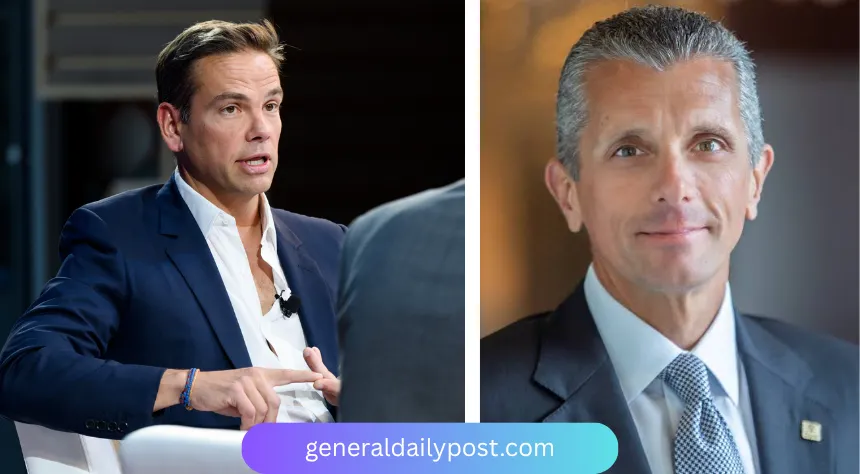
Both executives have worked with large organizations that require long-term planning and coordination between multiple business divisions. However, the nature of their responsibilities differs considerably. Media executives must understand audience interests, advertising markets, content distribution, and technological competition. Healthcare executives must consider service quality, insurance costs, regulatory requirements, medical partnerships, and customer access.
| Comparison Factor | Lachlan Murdoch | David Cordani |
|---|---|---|
| Primary industry | Media and entertainment | Healthcare and insurance |
| Major organization | Fox Corporation | The Cigna Group |
| Professional focus | Broadcasting, news, sports, and entertainment | Healthcare services and insurance |
| Leadership experience | Senior media management | Long-term healthcare management |
| Current leadership position | Executive Chair and CEO of Fox | Executive Chair of The Cigna Group |
| Major challenges | Digital competition and changing media consumption | Healthcare costs and service transformation |
Their professional differences demonstrate that executive success does not depend on following one particular career path. Instead, it involves understanding an organization’s environment and developing strategies that address its specific challenges.
Leadership Philosophies and Management Approaches
Strategic Thinking and Long-Term Planning
Strategic thinking is an essential part of managing a large corporation. Lachlan Murdoch’s responsibilities require him to evaluate the future of television, news, sports, and entertainment businesses. Media companies must determine how to maintain audience engagement while adapting to new technologies and changing distribution systems. Decisions about programming, advertising, partnerships, and digital platforms can influence a company’s competitive position for years.
Cordani’s leadership experience provides a different example of long-term strategic planning. Healthcare organizations operate within complicated systems where customer needs, medical costs, regulations, and technology influence business decisions. His approach involved strengthening the company’s healthcare capabilities while developing services that could respond to changing market requirements.
Organizational Culture and Employee Development
Corporate leadership is not limited to financial performance. Employees, management teams, and organizational culture also influence whether a business can achieve its objectives. Large organizations need experienced professionals who understand their responsibilities and can cooperate across different departments.
Both executives have worked in environments where effective communication and management accountability are important. Building capable leadership teams allows companies to maintain operational stability while responding to unexpected challenges. Employee development, professional expertise, and clear corporate priorities are important elements of this process.
The Industries They Represent
The Changing Media and Entertainment Industry
The media industry has experienced major changes because of digital technology and the growth of online content platforms. Viewers can now access news, sports, films, and entertainment through television channels, mobile applications, streaming services, and social media.
Fox Corporation operates in this competitive environment. Its business model includes established broadcasting operations alongside digital and streaming-related activities. Maintaining audience loyalty requires a combination of recognizable brands, relevant programming, reliable distribution, and effective commercial strategies.
Lachlan Murdoch’s executive responsibilities therefore involve understanding both traditional media economics and the opportunities created by digital transformation. The challenge is not simply to preserve existing business models but to ensure that established media operations remain relevant as consumer expectations change.
The Evolution of Healthcare and Insurance
The healthcare industry faces a different set of challenges. Rising medical costs, aging populations, digital health services, regulatory developments, and customer expectations continue to influence the sector. Healthcare organizations must develop solutions that provide value while maintaining operational sustainability.
The Cigna Group operates across healthcare services and related business areas. Its work demonstrates how insurance and healthcare organizations are increasingly focused on integrated services, customer support, data analytics, and access to appropriate care.
Cordani’s experience reflects the importance of understanding these interconnected factors. Healthcare leadership requires balancing financial responsibility with the broader objective of supporting individuals, families, employers, and communities.
Major Business Challenges Facing Both Executives
Although their industries are different, both executives operate in environments where external developments can quickly affect business performance. Economic conditions, technological changes, competition, regulation, and customer expectations create continuous pressure on corporate leadership.
For Murdoch, one major challenge is the changing relationship between traditional television and digital entertainment. Streaming services have changed how people consume content, while online advertising has created additional competition for established media companies. News organizations also face questions involving audience trust, editorial responsibility, and the speed at which information circulates.

For Cordani, healthcare affordability and service quality remain important industry-wide concerns. Healthcare organizations must address rising expenses while responding to demand for convenient, accessible, and reliable services. Data security and responsible use of personal information are also essential considerations because healthcare companies handle sensitive customer information.
Some important challenges affecting their industries include:
- Adapting business strategies to technological developments and digital competition.
- Maintaining customer confidence and long-term relationships.
- Managing operational costs while protecting service quality.
- Responding to regulatory changes and evolving market expectations.
These challenges demonstrate why experienced leadership remains important in industries undergoing significant transformation.
The Importance of Innovation in Corporate Leadership
Innovation is no longer limited to technology companies. Media organizations, healthcare providers, insurance businesses, and traditional corporations all need to reconsider how they deliver products and services. Organizations that fail to adapt may struggle to maintain their competitive position.
In media, innovation can involve digital distribution, advanced advertising systems, improved content discovery, and new ways of reaching audiences. Companies must understand how customers use different devices and platforms before deciding where to invest their resources. Fox Corporation’s position in broadcasting and entertainment makes these developments particularly relevant to its long-term strategy.
In healthcare, innovation can involve digital customer services, data analytics, coordinated care, and improved administrative processes. Technology can help organizations identify customer needs, streamline operations, and support more informed decisions. However, innovation must be introduced responsibly, especially when personal information and healthcare decisions are involved.
The experiences of Lachlan Murdoch and David Cordani show how innovation can take different forms depending on an organization’s purpose. Their industries require distinct solutions, but both depend on continuous improvement and the ability to respond to changing expectations.
Public Influence and Corporate Responsibility
Executives who lead major organizations can influence more than company earnings. Their decisions may affect employees, consumers, business partners, investors, and the wider communities connected to their industries. This creates responsibilities that extend beyond everyday management.
In the media sector, corporate leadership can influence the direction of news distribution, entertainment programming, and the relationship between media companies and their audiences. Decisions involving content, technology, and business partnerships can have broader consequences for the media environment.
In healthcare, corporate responsibility has a direct connection to service accessibility, customer experience, privacy, and organizational reliability. Companies must consider how their operations affect the people who rely on their services. Responsible leadership requires balancing commercial objectives with ethical standards and long-term public trust.
These considerations provide a broader perspective on the professional influence of Lachlan Murdoch and David Cordani. Their positions place them within industries that have significant economic and social importance.
What Business Professionals Can Learn From Their Careers
The professional experiences of these executives offer useful lessons for entrepreneurs, managers, and aspiring business leaders. Their careers demonstrate that effective leadership requires more than professional recognition or a senior position. It depends on knowledge, decision-making, adaptability, and the ability to manage people and resources.
One important lesson is the value of understanding an industry deeply. Murdoch’s career reflects extensive involvement in media operations, while Cordani’s professional development demonstrates the importance of long-term experience within healthcare management. Industry knowledge helps executives understand risks and recognize opportunities that may not be immediately visible.
Another important lesson is the need to prepare organizations for change. Businesses cannot rely entirely on past achievements because customer expectations and market conditions continue to evolve. Leaders must evaluate existing strategies and make adjustments when necessary.
Finally, both careers highlight the importance of developing strong management teams. Large organizations cannot depend on one individual for every operational decision. Successful leadership involves establishing clear responsibilities, encouraging professional development, and building systems that support consistent performance.
Conclusion
Lachlan Murdoch and David Cordani represent two different but equally interesting areas of corporate leadership. Murdoch’s career is closely associated with international media, broadcasting, and entertainment, while Cordani’s professional achievements are rooted in healthcare services and insurance management. Their experiences demonstrate how executives must understand their industries, respond to technological developments, and maintain strong organizational structures.
Their leadership journeys also illustrate the importance of long-term planning, customer relationships, innovation, and responsible corporate management. Although their business environments are different, both have been involved in guiding major organizations through significant industry changes.
Ultimately, the professional stories of these executives offer valuable insights into modern corporate leadership. Examining Lachlan Murdoch and David Cordani provides a useful opportunity to understand how different management approaches can shape major businesses and influence the future direction of important industries.