
The modern business world is shaped by influential executives who bring different experiences, management philosophies and strategic perspectives to their industries. Some leaders build their influence through media ownership and global communications, while others transform large organizations through healthcare innovation, operational excellence and customer-focused strategies. Lachlan Murdoch and David Cordani represent two interesting examples of leadership in major industries, demonstrating how experience, long-term planning and the ability to respond to changing markets can influence corporate success.
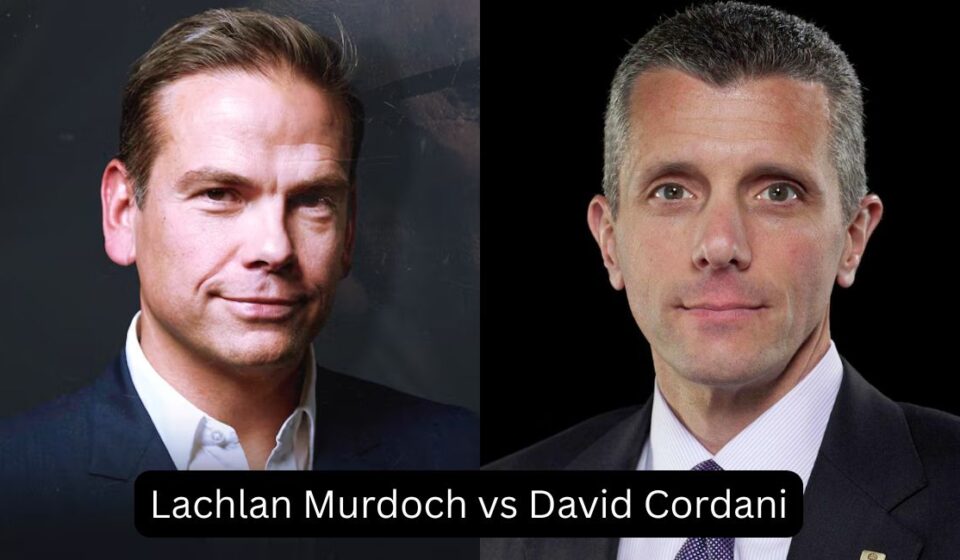
Although Lachlan Murdoch and David Cordani work in entirely different business sectors, their professional journeys offer an opportunity to understand how leadership operates across complex organizations. Murdoch is widely recognized for his position in the international media industry, particularly through his leadership at Fox Corporation and News Corp. Cordani, meanwhile, has built his reputation through decades of experience in the healthcare sector, particularly through his leadership of The Cigna Group. Their careers demonstrate different approaches to managing large organizations, responding to industry challenges and maintaining long-term business relevance.
Understanding their professional backgrounds also provides insight into the changing expectations placed on senior executives. Today’s corporate leaders must consider technology, customer expectations, competition, regulatory requirements and financial performance. Examining their experiences helps explain why effective leadership requires more than managing daily operations. It involves developing a clear vision, building capable teams and preparing organizations for future opportunities.
Who Is Lachlan Murdoch?
Lachlan Murdoch is an influential business executive associated with the global media and entertainment industry. Born in London in 1971, he grew up in a family closely connected to international journalism, publishing and broadcasting. His father, Rupert Murdoch, established a major media business with operations across several countries, giving Lachlan early exposure to the commercial and strategic aspects of the media industry.
Rather than entering the business world without experience, Lachlan developed his professional career within the family organization. Over the years, he held several management positions involving television, publishing and broadcasting operations. These responsibilities provided opportunities to understand how media companies operate across different markets and how they respond to changing audience preferences. His experience also involved managing businesses where editorial identity, commercial performance and technological development play important roles.
Lachlan eventually became one of the central figures in the leadership structure of the Murdoch media empire. His responsibilities expanded as the business underwent significant organizational changes, including the separation of Fox Corporation from the former 21st Century Fox structure. These developments demonstrated his involvement in major corporate decisions and long-term business planning.
Lachlan Murdoch’s Leadership at Fox Corporation
One of the most important aspects of Lachlan Murdoch’s professional career is his leadership at Fox Corporation. He serves as the company’s Executive Chair and Chief Executive Officer, overseeing a portfolio that includes prominent news, sports and entertainment businesses. His responsibilities involve guiding corporate strategy, maintaining competitive positioning and ensuring that the company’s operations respond to developments in the media marketplace.
The media industry has experienced considerable transformation over the past two decades. Traditional television broadcasting now competes with streaming platforms, digital publishers, social media networks and independent content creators. Viewers increasingly expect convenient access to information and entertainment across multiple devices. These changes have created new challenges for established broadcasting companies.
Under Murdoch’s leadership, Fox Corporation operates in an environment where live programming, sports coverage, news content and audience engagement remain important competitive factors. Live sports, for example, can attract large audiences who prefer watching events as they happen rather than waiting for recorded or on-demand content. Similarly, news organizations must maintain audience trust while adapting to rapidly changing information consumption habits.
His leadership therefore involves balancing established broadcasting strengths with changing commercial opportunities. This requires careful investment decisions, organizational discipline and an understanding of how audiences interact with different forms of media.
Who Is David Cordani?
David Cordani is an experienced American business executive best known for his long association with The Cigna Group, one of the major organizations operating in the global health services industry. His professional journey demonstrates the importance of industry knowledge, organizational experience and long-term leadership development.
Cordani joined Cigna in 1991 and gradually advanced through different management positions. His early responsibilities and subsequent leadership assignments helped him develop a detailed understanding of healthcare operations, customer relationships, marketing and business management. Unlike executives who enter an organization directly through a senior external appointment, Cordani built much of his career through internal professional development.
He became Chief Executive Officer in December 2009 after serving in several senior positions, including Chief Operating Officer and President. His appointment placed him in charge of an organization operating in a complicated healthcare environment influenced by insurance regulations, medical costs, changing customer expectations and technological developments.
During his leadership, Cigna expanded beyond its traditional identity as a health insurance company and developed a broader global health services business. This transformation involved strategic business decisions, acquisitions, operational improvements and the development of additional healthcare-related capabilities.
Cordani’s career is particularly interesting because it demonstrates how an executive can influence an organization over an extended period while adapting to major changes in an essential industry.
David Cordani’s Leadership and Transformation of Cigna
David Cordani’s leadership at Cigna has been associated with significant organizational growth and strategic transformation. When he became CEO, the company operated on a different scale compared with its position in 2026. Over the years, Cigna expanded its services, strengthened its international presence and developed capabilities designed to address different aspects of healthcare.
A major part of this transformation involved broadening the company’s approach to healthcare. Traditional health insurance primarily focuses on helping customers manage medical expenses and access covered services. However, modern healthcare organizations increasingly recognize the importance of pharmacy services, behavioral health support, preventive care, data analytics and coordinated healthcare delivery.
Cordani supported a business strategy that placed greater emphasis on these interconnected services. The acquisition of Express Scripts in 2018 was particularly significant because it expanded Cigna’s position in pharmacy benefit management. It also strengthened the organization’s ability to connect healthcare coverage with prescription drug services and related capabilities.
The development of Evernorth Health Services further reflected the company’s broader strategic direction. Through these businesses, Cigna aimed to address healthcare needs through integrated services rather than relying exclusively on traditional insurance products.
Cordani’s leadership demonstrates how large healthcare organizations must continuously evaluate their business models. Rising medical expenses, new technologies, prescription drug costs and changing patient expectations make strategic adaptation essential for maintaining competitiveness.
Lachlan Murdoch and David Cordani: Comparing Their Professional Careers
The professional journeys of Lachlan Murdoch and David Cordani provide an interesting comparison of two executives operating in different industries. Their careers demonstrate that successful corporate leadership does not follow a single formula. Different industries require different management priorities, investment strategies and approaches to organizational development.
Murdoch’s professional experience is closely connected to media, broadcasting and entertainment. His responsibilities involve managing businesses that depend on audience engagement, advertising, content distribution and the commercial value of intellectual property. Cordani’s experience, on the other hand, centers on healthcare services, insurance operations, pharmacy-related businesses and customer health needs.
Despite these differences, both executives have worked within large organizations that require strategic planning and effective coordination between departments. Their positions also involve making decisions that can influence employees, customers, investors and business partners.
| Comparison Factor | Lachlan Murdoch | David Cordani |
|---|---|---|
| Primary industry | Media and entertainment | Healthcare and health services |
| Main organization | Fox Corporation | The Cigna Group |
| Professional background | Broadcasting and publishing | Healthcare management |
| Leadership focus | Media strategy and audience engagement | Healthcare services and customer experience |
| Major responsibilities | Corporate strategy and media operations | Healthcare business transformation |
| Current position | Executive Chair and CEO of Fox Corporation | Executive Chair of The Cigna Group |
This comparison highlights how leadership responsibilities change according to industry requirements. A media executive must understand audience behavior, content distribution and competition for advertising revenue. A healthcare executive must consider affordability, access to medical services, regulatory expectations and the complexity of healthcare delivery.
Different Leadership Philosophies in Modern Business
Strategic Thinking and Long-Term Planning
Long-term planning is an important element of leadership in both the media and healthcare industries. Executives must make decisions that support immediate business performance without compromising future growth. Investments in technology, infrastructure, talent and customer services can require significant resources before producing measurable results.
Murdoch’s responsibilities at Fox Corporation involve maintaining the company’s position in a competitive media environment. This requires understanding how audiences consume information and entertainment and identifying opportunities in broadcasting and sports programming.
Cordani’s approach to organizational development has involved expanding healthcare capabilities and creating a more diversified business structure. His leadership illustrates how established organizations can adjust their strategies when market conditions and customer expectations change.
Customer and Audience Expectations
Customer expectations have become increasingly important across almost every industry. Media audiences expect relevant programming, reliable information and convenient access to content. Healthcare customers expect affordable coverage, accessible services and support when making important medical decisions.
Both executives have operated in industries where trust and reputation influence long-term success. A media organization needs to maintain relationships with audiences and commercial partners, while a healthcare organization must build confidence among customers, healthcare providers and employers.
These expectations make customer understanding an essential management skill. Companies that fail to recognize changing needs may lose relevance even when they have established brands and substantial financial resources.
How Their Industries Are Changing in 2026
The business environments associated with Lachlan Murdoch and David Cordani continue to experience significant changes in 2026. Technology is transforming how organizations deliver services, communicate with customers and evaluate their performance.
In the media industry, artificial intelligence, digital advertising, streaming services and changing viewing habits are creating new opportunities and competitive pressures. Traditional broadcasters must decide how to combine established television operations with digital distribution strategies. Sports programming and live news remain important because they provide content that audiences often prefer to consume in real time.
Healthcare is experiencing a different but equally important transformation. Artificial intelligence is increasingly being explored for administrative efficiency, healthcare data analysis and improved customer experiences. Digital health platforms are changing how people access information and interact with healthcare providers. At the same time, rising medical costs and concerns about affordability continue to influence business decisions.
These developments demonstrate that executives cannot depend entirely on strategies that worked in the past. They must evaluate new technologies, understand changing regulations and identify practical ways to improve the services their organizations provide.
Important Leadership Lessons From Their Careers
The careers of Lachlan Murdoch and David Cordani offer several useful lessons for business professionals, managers and aspiring entrepreneurs. Their experiences demonstrate that leadership involves understanding an industry, managing organizational change and making decisions with long-term consequences.
Some important lessons include:
-
Adaptability: Business leaders must respond to technological developments and changing market conditions.
-
Industry knowledge: Understanding customers, competitors and operational challenges helps improve strategic decisions.
-
Long-term planning: Sustainable organizational development requires consistent investment and clear priorities.
-
Team development: Strong leadership depends on capable employees, effective communication and accountability.
-
Customer focus: Organizations must continuously evaluate whether their products and services meet changing expectations.
These principles are relevant beyond media and healthcare. Entrepreneurs, technology professionals, financial managers and business owners can apply similar ideas when building organizations or improving existing operations.
The Importance of Corporate Governance and Executive Responsibility
Corporate governance plays an important role in organizations led by senior executives. It establishes the systems through which companies make decisions, monitor performance and maintain accountability to shareholders and other stakeholders.

For major corporations, executive leadership involves more than setting business objectives. Leaders must work with boards of directors, comply with applicable regulations, assess business risks and ensure that management decisions support the organization’s long-term interests.
In the media industry, corporate responsibility can involve content policies, advertising relationships, financial transparency and the management of public trust. Healthcare organizations face additional responsibilities concerning patient information, service quality, regulatory compliance and the responsible handling of sensitive data.
The professional experiences of Murdoch and Cordani highlight how leadership responsibilities differ according to business structure and industry requirements. However, both environments require executives to consider the broader consequences of corporate decisions.
Effective governance also helps organizations prepare for leadership transitions. A well-planned succession process can preserve institutional knowledge, maintain business continuity and provide employees and investors with greater confidence during periods of change.
Current Professional Positions in 2026
An important development in understanding these two executives is recognizing their current responsibilities rather than relying on outdated professional biographies.
Lachlan Murdoch continues to serve as Executive Chair and Chief Executive Officer of Fox Corporation. He also serves as Chair of News Corp and Executive Chairman of Australian media company NOVA Entertainment. His positions place him within the leadership structures of several established media businesses.
David Cordani experienced a significant leadership transition in 2026. Following nearly 17 years as CEO of The Cigna Group, he retired from the chief executive position effective July 1, 2026, and became Executive Chair of the company’s board. Brian Evanko succeeded him as CEO after previously serving as President and Chief Operating Officer.
This transition reflects the importance of succession planning in large corporations. Cordani’s continued involvement as Executive Chair allows the organization to retain his experience and institutional knowledge while transferring day-to-day executive leadership to a new CEO.
These developments also illustrate why corporate biographies should be reviewed regularly. Senior executives can change positions, assume board responsibilities or move into advisory roles as organizations enter new stages of development.
Why Their Leadership Stories Remain Relevant
The professional experiences of Lachlan Murdoch and David Cordani remain relevant because they demonstrate different ways of managing complexity in large organizations. Their industries may have different products, customers and commercial structures, but both require leaders to make decisions in environments where change is constant.
For business students, their careers offer practical examples of executive development and strategic management. Murdoch’s experience illustrates the importance of understanding media markets, managing established brands and responding to changes in content distribution. Cordani’s career demonstrates how organizational experience can support long-term transformation in a highly regulated and essential industry.
Their stories are also relevant to entrepreneurs and professionals interested in leadership development. Building a successful career requires more than professional qualifications. It involves learning from experience, understanding organizational challenges and developing the ability to make informed decisions.
Another important lesson is that leadership success should not be measured through a single achievement. Sustainable business performance depends on multiple factors, including financial results, employee development, customer satisfaction, innovation and responsible governance.
Conclusion
The careers of Lachlan Murdoch and David Cordani provide valuable perspectives on leadership in two major sectors of the global economy. Murdoch’s work in media and entertainment highlights the importance of audience engagement, corporate strategy and adapting to digital competition. Cordani’s long association with Cigna demonstrates how strategic planning, industry knowledge and organizational transformation can reshape a major healthcare business.
Although their professional responsibilities are different, both executives illustrate the importance of experience, adaptability and long-term thinking. Their leadership journeys also show why successful organizations need clear strategies, capable management teams and an understanding of changing market conditions.
Ultimately, Lachlan Murdoch and David Cordani represent two distinct approaches to corporate leadership. Their professional experiences provide useful lessons about managing complexity, responding to innovation and preparing businesses for future challenges. As the media and healthcare industries continue evolving in 2026, their contributions remain valuable examples of how executive decisions can influence organizations and the wider business environment.

.jpg&description=Explore the careers, leadership philosophies, business achievements and professional influence of Lachlan Murdoch and David Cordani in today's evolving corporate world.)